Pakistan’s textile and apparel sector could receive a significant boost as Artistic Milliners plans to invest more than $18 million in a new manufacturing unit at the proposed Garments City in Port Qasim, Karachi.
The planned investment highlights growing interest in expanding Pakistan’s value-added textile manufacturing capacity while introducing modern production methods and environmentally focused technologies.
The proposed development is expected to strengthen Pakistan’s textile exports, create employment opportunities and attract further private-sector investment in Karachi’s industrial and manufacturing landscape.
$18 Million Manufacturing Investment
Artistic Milliners, a major Pakistani textile and denim manufacturer, plans to establish a manufacturing facility within the proposed Garments City.
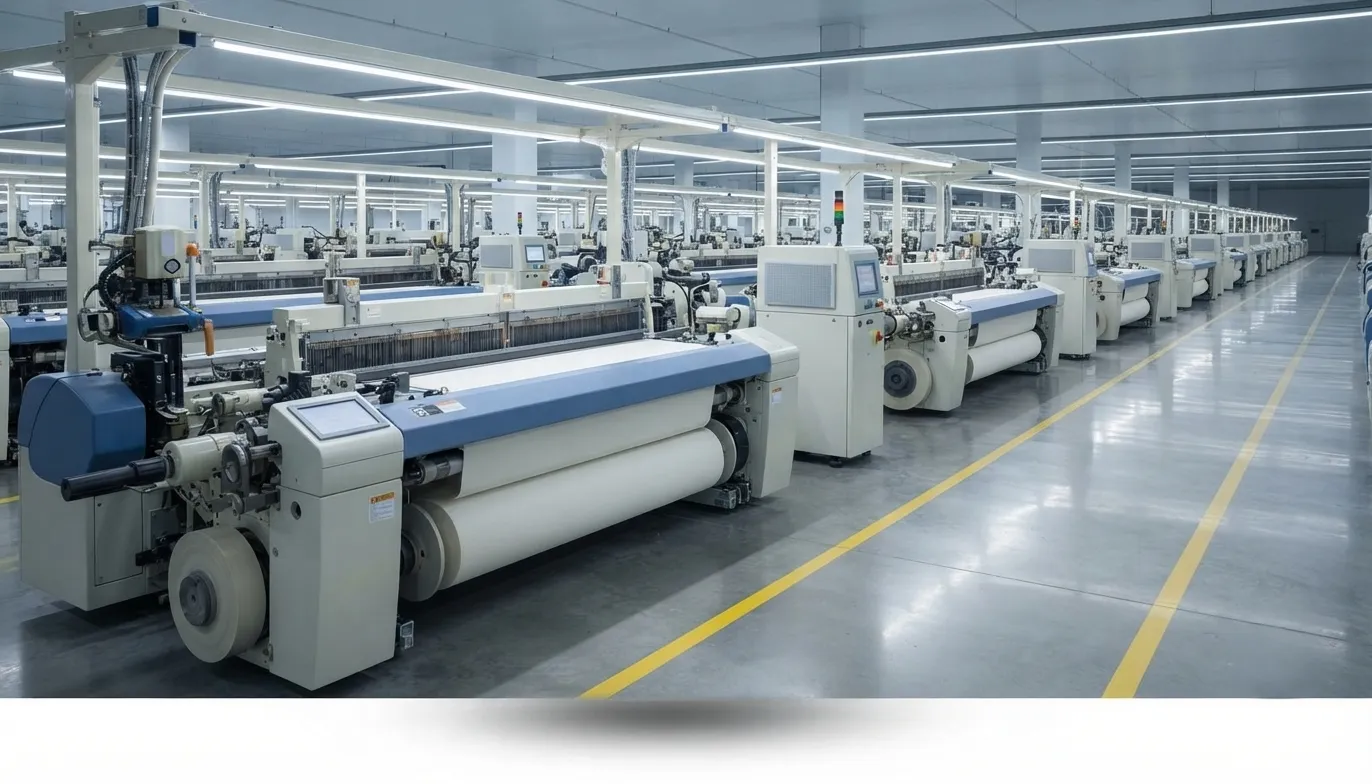
The investment is expected to support production capacity while incorporating vertical integration and green technologies into the manufacturing setup.
Vertical integration can allow manufacturers to bring multiple stages of production under one industrial ecosystem, potentially improving efficiency, coordination and supply-chain management.
For Pakistan’s textile industry, greater integration can also help manufacturers move toward higher-value products and improve their competitiveness in international markets.
400-Acre Garments City at Port Qasim
The proposed Garments City is planned across approximately 400 acres at Port Qasim in Karachi.
The first phase is expected to cover around 250 acres, providing space for manufacturing facilities and supporting infrastructure.
Around 35% of the initial development area is expected to be allocated for roads, utilities and green spaces.
This infrastructure-focused approach is intended to create an industrial environment where textile and garment manufacturers can operate with better access to essential services and transportation facilities.
Focus on Green Manufacturing
One of the notable aspects of the planned Artistic Milliners facility is its focus on green technologies.
Sustainability has become increasingly important in the global textile and apparel industry as international buyers and consumers place greater emphasis on environmental standards.
Modern textile manufacturing can involve significant water and energy consumption, making efficient technologies and environmentally responsible production increasingly important for exporters.
By incorporating green technologies, the planned facility could support efforts to make Pakistan’s textile manufacturing sector more sustainable and internationally competitive.
Potential for 138,125 Jobs
The wider Garments City project is projected to create approximately 138,125 jobs.
The employment potential could extend beyond direct factory positions. Large-scale industrial developments typically generate demand for logistics, transportation, maintenance, technical services, administration, security and other supporting activities.
For Karachi and the surrounding industrial areas, increased manufacturing activity could therefore create opportunities across multiple segments of the local economy.
Potential $2.2 Billion in Annual Exports
Another major target associated with the proposed Garments City is its projected export contribution.
The development is expected to generate approximately $2.2 billion in annual exports once fully operational.
This could be particularly important for Pakistan, where textiles and apparel remain among the country’s most important export sectors.
Expanding value-added manufacturing can help Pakistan move beyond basic textile production and increase its presence in higher-value segments of international apparel and fashion supply chains.
Port Qasim’s Strategic Importance
The location of the project at Port Qasim provides an important logistical advantage.
As a major industrial and port area in Karachi, Port Qasim provides access to transportation and export infrastructure. For manufacturers serving international markets, proximity to port facilities can help streamline the movement of raw materials and finished products.
The planned Garments City could therefore combine manufacturing facilities with access to export-oriented infrastructure, creating an integrated industrial ecosystem.
One-Window Export Facilitation
The proposed development will also include a one-window mechanism intended to streamline export-related processes.
Simplifying administrative procedures can be important for businesses operating in international markets, where delays in documentation, approvals and logistics can increase costs.
A one-window system could make it easier for manufacturers and exporters to manage regulatory and operational requirements within a more coordinated framework.
Role of Port Qasim Authority
The Port Qasim Authority is expected to provide infrastructure and utilities for the proposed development.
Reliable infrastructure is critical for large-scale manufacturing projects because textile and garment facilities require consistent access to electricity, water, transportation networks and other essential services.
The provision of supporting infrastructure could help make the industrial zone more attractive to additional private-sector investors.
What the Investment Means for Pakistan’s Textile Sector
Artistic Milliners’ planned investment comes at a time when Pakistan is seeking to increase industrial activity, attract investment and strengthen export-oriented manufacturing.
The textile industry has traditionally played a central role in Pakistan’s economy, but increasing global competition means manufacturers need to continuously improve productivity, product quality, sustainability and supply-chain efficiency.
Investments in modern manufacturing facilities can contribute to these objectives by introducing newer technologies and expanding production capabilities.
Opportunities for Further Private Investment
The proposed Garments City could potentially attract additional textile and apparel companies to the Port Qasim area.
An established industrial ecosystem can provide manufacturers with access to shared infrastructure, logistics networks, suppliers and skilled labour.
If the development progresses as planned, it could encourage more companies to consider Pakistan as a location for export-oriented textile and garment production.
Strengthening Pakistan’s Export Potential
Pakistan already has an established textile manufacturing base, but increasing the value of exports remains an important economic objective.
Moving toward integrated manufacturing and value-added products can allow Pakistani companies to capture a larger share of the international supply chain.
The combination of modern production facilities, green technologies, export infrastructure and private investment could help strengthen Pakistan’s position in global textile markets.
Conclusion
Artistic Milliners’ planned $18 million-plus investment in a manufacturing unit at Karachi’s proposed Garments City represents a significant development for Pakistan’s textile and export sectors.
The wider 400-acre Garments City, with its first phase covering 250 acres, is projected to create 138,125 jobs and generate approximately $2.2 billion in annual exports.
With a focus on vertical integration, green technologies, infrastructure development and streamlined export procedures, the project could contribute to Pakistan’s ambitions of expanding value-added manufacturing and increasing international trade.
If successfully implemented, the development could also serve as a platform for attracting further private investment and strengthening Karachi’s role as a major hub for Pakistan’s export-oriented textile industry.
Disclaimer: This article is for informational purposes only and is based on available reports. Projected investment, employment and export figures are subject to development progress and future implementation. Readers should verify the latest project details through official sources.