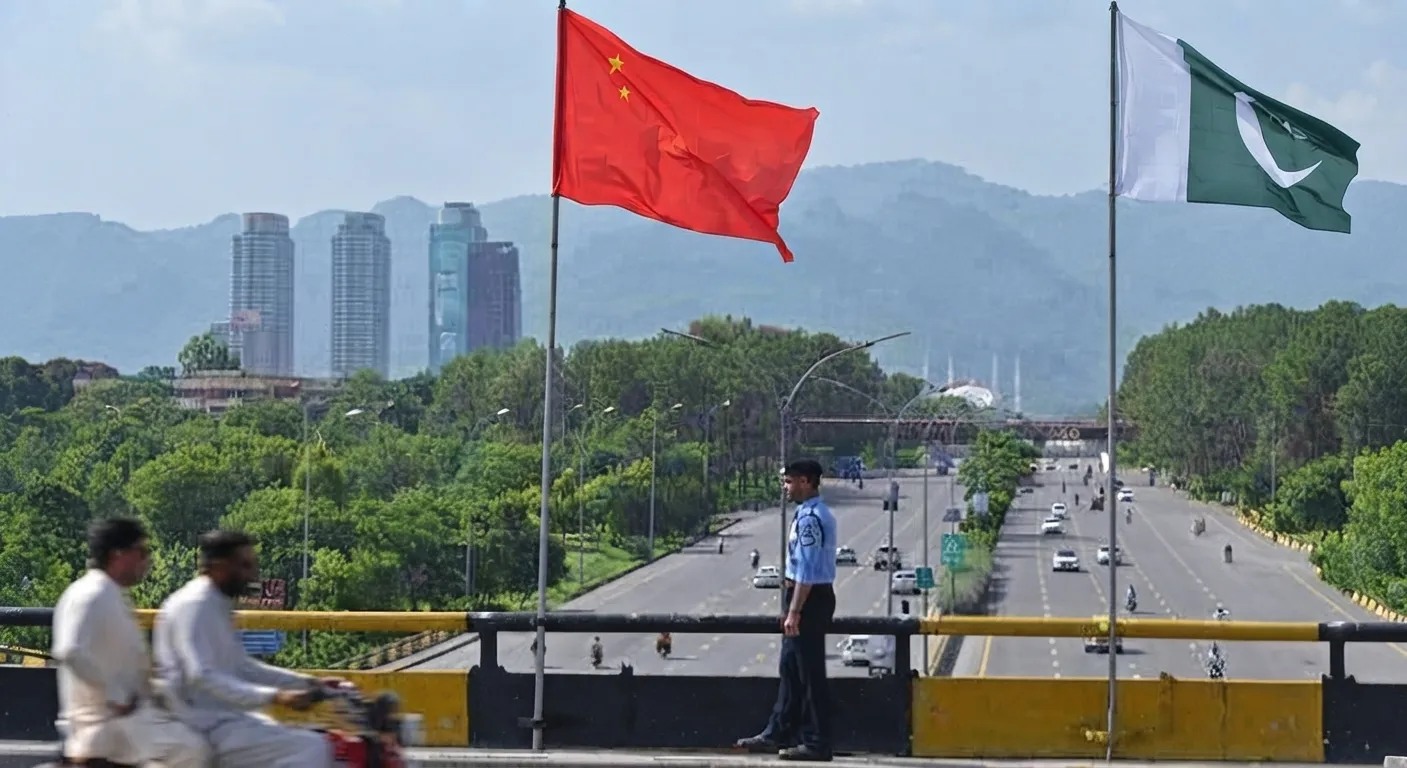
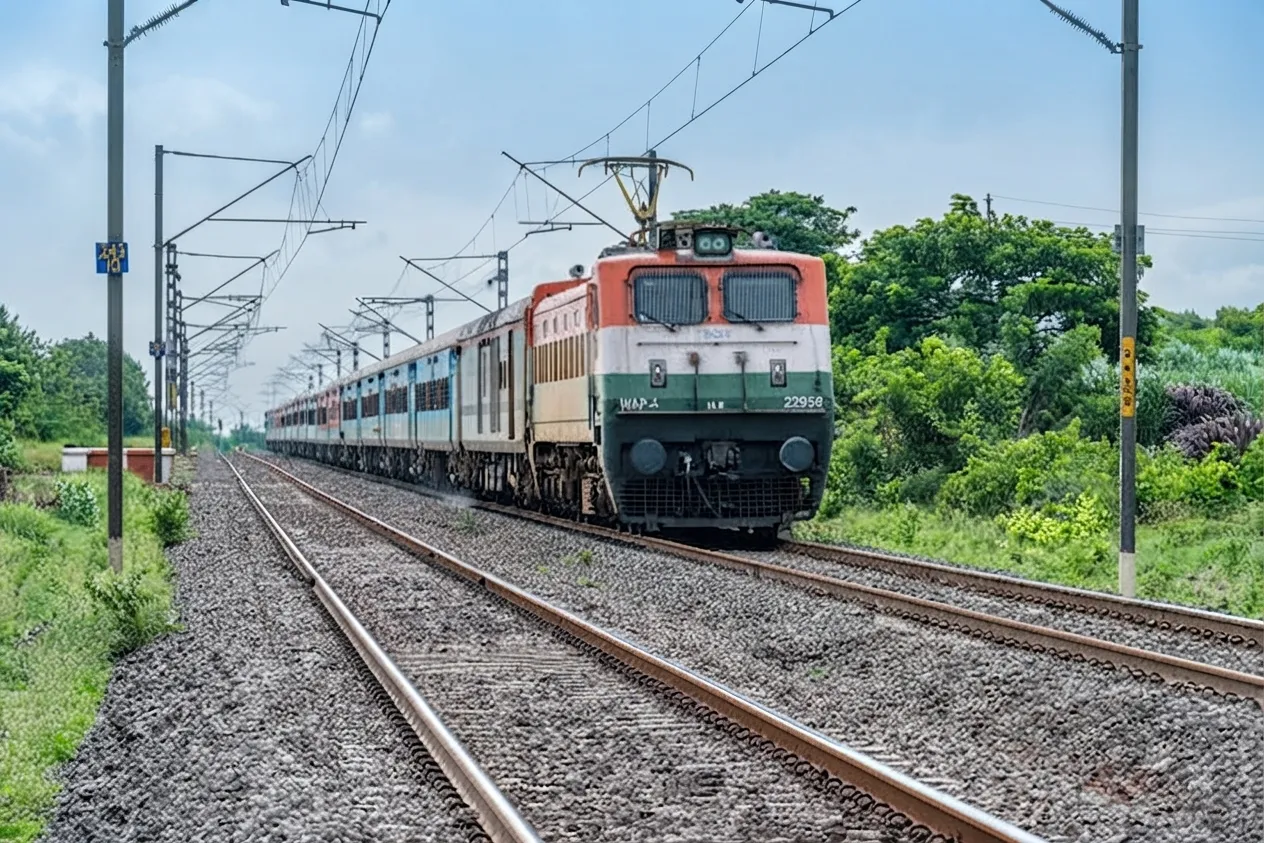
Pakistan is planning a major $2.5 billion upgrade of the ML-1 railway line, marking a significant proposed investment in the country’s transportation and railway infrastructure.
The first phase of the project is expected to focus on the 480-kilometre Karachi–Rohri/Sukkur section, one of the most important railway corridors in Pakistan.
The upgrade is aimed at improving railway infrastructure, increasing operational efficiency and strengthening the movement of both passengers and freight.
First Phase to Cover Karachi–Rohri/Sukkur
The initial phase will cover the railway route between Karachi and Rohri/Sukkur, spanning approximately 480 kilometres.
This section plays an important role in connecting Pakistan’s largest commercial city and major port hub with the country’s wider railway network.
Because of its importance for both passenger and freight movement, modernising this corridor could have a significant impact on transportation and logistics.
Trains Could Reach Speeds of 160 km/h
One of the major objectives of the ML-1 upgrade is to improve railway speeds.
Following modernisation, trains could potentially operate at speeds of up to 160 kilometres per hour.
Higher operating speeds could reduce journey times and make rail travel more competitive with other forms of transportation, particularly for long-distance passenger and freight services.
However, achieving these speeds would depend on the completion of the required track, signalling, safety and infrastructure improvements.
Modernising Railway Tracks and Stations
The proposed project is expected to include improvements to several key components of railway infrastructure.
These include:
- Railway track modernisation
- Station upgrades
- Improved signalling systems
- Safety improvements
- Freight-handling facilities
- Operational efficiency upgrades
Modern signalling infrastructure could also help improve train management and reduce delays by allowing railway authorities to coordinate services more efficiently.
A Critical Corridor for Pakistan Railways
The importance of ML-1 is highlighted by the amount of traffic it currently handles.
According to the information provided, the corridor carries approximately 76% of Pakistan Railways’ passenger traffic and 98% of its freight traffic.
This makes the route particularly important for Pakistan’s transportation network and national economy.
A more efficient railway system could support the movement of passengers as well as commodities between major commercial and industrial centres.
Potential Impact on Freight Transportation
Rail freight plays an important role in moving large quantities of goods over long distances.
Improved tracks, signalling and freight facilities could help Pakistan Railways handle cargo more efficiently.
A modernised ML-1 corridor could potentially support:
- Faster freight movement
- Improved logistics efficiency
- Greater reliability
- Better connectivity with major commercial centres
- Increased capacity for cargo transportation
For businesses, more reliable rail freight could provide an alternative to road-based transportation for certain types of goods.
Potential Benefits for Passengers
Passengers could also benefit from improved railway infrastructure.
Faster trains and upgraded stations could make rail travel more convenient while potentially reducing journey times between major cities.
Improved safety standards and more reliable operations could further strengthen public confidence in Pakistan Railways.
For commuters and long-distance travellers, modern railway infrastructure could provide a more efficient transportation option.
Importance for Karachi and Rohri
The Karachi–Rohri/Sukkur section is particularly significant because Karachi serves as Pakistan’s major commercial and port hub.
Improved railway connectivity between Karachi and the rest of the country could strengthen the movement of imported and exported goods as well as domestic freight.
Rohri also serves as an important railway junction, making the corridor strategically important for connecting different parts of Pakistan’s railway network.
A Major Infrastructure Investment
The proposed $2.5 billion investment represents a substantial commitment toward upgrading Pakistan’s railway infrastructure.
For decades, railway modernisation has remained an important infrastructure challenge, with ageing tracks, signalling systems and operational limitations affecting the performance of the network.
The ML-1 project could therefore become an important part of broader efforts to modernise Pakistan’s transportation system.
What the Upgrade Could Mean for Pakistan
If successfully implemented, the ML-1 modernisation could have wider economic implications.
A more efficient railway network could help reduce transportation times, improve freight logistics and strengthen connectivity between major economic centres.
It could also support Pakistan’s efforts to increase the role of railways in passenger and cargo transportation.
Conclusion
Pakistan’s planned $2.5 billion ML-1 railway upgrade represents a potentially transformative investment in the country’s rail infrastructure.
With the first phase focused on the 480km Karachi–Rohri/Sukkur corridor, the project aims to modernise tracks, stations, signalling and freight facilities while improving safety and efficiency.
The possibility of trains reaching 160 km/h, combined with the corridor’s major share of passenger and freight traffic, makes the proposed upgrade particularly significant.
If implemented effectively, the project could improve passenger travel, strengthen freight transportation and contribute to a more modern and efficient railway network in Pakistan.
Disclaimer: This article is for informational purposes only and is based on publicly available reports. Project costs, timelines, specifications and implementation plans may change. Readers should verify the latest developments through official Pakistan Railways and government sources.