Pakistan is taking a potentially significant step toward developing alternative energy sources by moving ahead with plans for its first full-scale agricultural waste-to-energy plant. The project aims to transform agricultural residues such as cotton stalks and sugarcane waste into usable fuel, creating a link between Pakistan’s large agricultural sector and its growing need for affordable and cleaner energy.
The initiative is being led by Northumbria University with support from £1.25 million in UK government funding. At its core, the project focuses on converting agricultural waste into bio-coal pellets, which could provide an alternative to imported coal for energy-intensive industries.
Turning Agricultural Waste Into Fuel
Pakistan produces large quantities of agricultural residues every year. Cotton stalks and sugarcane waste are among the materials that can potentially be processed into alternative fuels.
Instead of allowing this waste to remain underutilised or become an environmental burden, the proposed project will explore its conversion into bio-coal pellets.
These pellets could then be used as a substitute for conventional coal in industries that depend heavily on thermal energy, including brick kilns and textile mills.
According to the information available about the project, the resulting fuel could potentially cost 40–50% less than imported coal, creating an opportunity to reduce energy costs while making productive use of locally available agricultural waste.
Why the Project Matters for Pakistan
Pakistan faces several interconnected challenges involving energy costs, fuel imports, agricultural waste and industrial competitiveness.
Industries that rely on imported fuels are exposed to international commodity prices, exchange-rate pressures and transportation costs. Developing locally produced alternatives could help diversify the country’s energy sources.
Agricultural waste-to-energy technology could offer a different approach by using resources already generated within Pakistan.
If successfully scaled, such projects could contribute to:
- Reducing dependence on imported coal
- Creating value from agricultural waste
- Supporting alternative energy production
- Lowering fuel costs for selected industries
- Creating rural employment opportunities
- Supporting Pakistan’s broader clean-energy transition
- Encouraging greater use of locally available resources
Supporting the Textile and Industrial Sectors
Pakistan’s textile industry is one of the country’s most important export-oriented sectors, while brick manufacturing is also heavily dependent on thermal energy.
Both sectors face pressure to manage production costs while maintaining competitiveness.
An affordable locally produced fuel could therefore become particularly relevant for industries searching for alternatives to conventional imported coal.
However, the long-term impact will depend on factors such as the quality and consistency of the bio-coal pellets, production capacity, logistics, industrial compatibility and the project's ability to operate economically at scale.
Creating Opportunities for Rural Communities
One of the notable aspects of the initiative is its focus beyond energy production.
The project is expected to create new income opportunities for rural communities through a women-led biomass cooperative.
More than 120 households are expected to benefit from the initiative.
This could create a model in which agricultural residues become an additional economic resource for farming communities. Instead of being treated simply as waste, crop residues could potentially generate income while supplying raw material for energy production.
The involvement of women-led community structures also gives the project a social and economic development dimension beyond its environmental objectives.
A Potential Step Toward a Circular Economy
The project reflects the broader concept of a circular economy, where materials that would otherwise be discarded are reused to create new economic value.
In this case, agricultural production generates residues, those residues become feedstock for fuel production, and the resulting fuel can potentially be supplied to industrial users.
Such a system could create connections between Pakistan's agricultural, manufacturing and energy sectors.
Rather than relying entirely on imported fossil fuels, part of the industrial energy requirement could potentially be met through resources generated domestically.
Challenges Ahead
Despite its potential, agricultural waste-to-energy development also comes with challenges.
Collecting agricultural residues from widely dispersed farming areas can be difficult. Transportation, storage and seasonal availability can affect the economics of biomass projects.
The technology must also produce fuel with consistent quality so that industrial users can rely on it as an alternative to conventional coal.
Scaling the project from an initial facility to a larger national industry would require investment in processing infrastructure, transportation networks, technical expertise and long-term supply agreements.
Environmental standards and sustainability will also remain important. Agricultural residues have multiple potential uses, and their removal should be managed carefully to ensure that soil health and other agricultural requirements are not negatively affected.
What It Could Mean for Pakistan’s Energy Future
Pakistan's energy challenges require a combination of solutions rather than dependence on a single technology.
Solar, wind, hydropower, natural gas, energy efficiency, waste-to-energy and other alternatives can all potentially contribute to a more diversified energy system.
Agricultural waste-to-energy could be particularly relevant because Pakistan has a large agricultural economy capable of generating substantial quantities of biomass.
If the planned project demonstrates that agricultural residues can be converted into reliable and commercially competitive industrial fuel, it could encourage further investment in similar facilities.
The combination of cleaner energy, local resource utilisation, industrial cost reduction and rural income generation makes the initiative an interesting development for Pakistan's energy and agricultural sectors.
Conclusion
Pakistan's planned first full-scale agricultural waste-to-energy plant represents an effort to turn an existing agricultural challenge into a potential economic and energy opportunity.
With £1.25 million in UK government funding, Northumbria University leading the project, and more than 120 households expected to benefit through a women-led biomass cooperative, the initiative combines energy innovation with rural development.
The proposed conversion of cotton stalks and sugarcane waste into bio-coal pellets could also provide industries such as brick kilns and textile mills with an alternative to imported coal.
The project's eventual success will depend on technology, cost, supply chains, industrial adoption and successful large-scale implementation. Nevertheless, it represents a promising example of how Pakistan could explore locally available resources to support a more sustainable and diversified energy future.
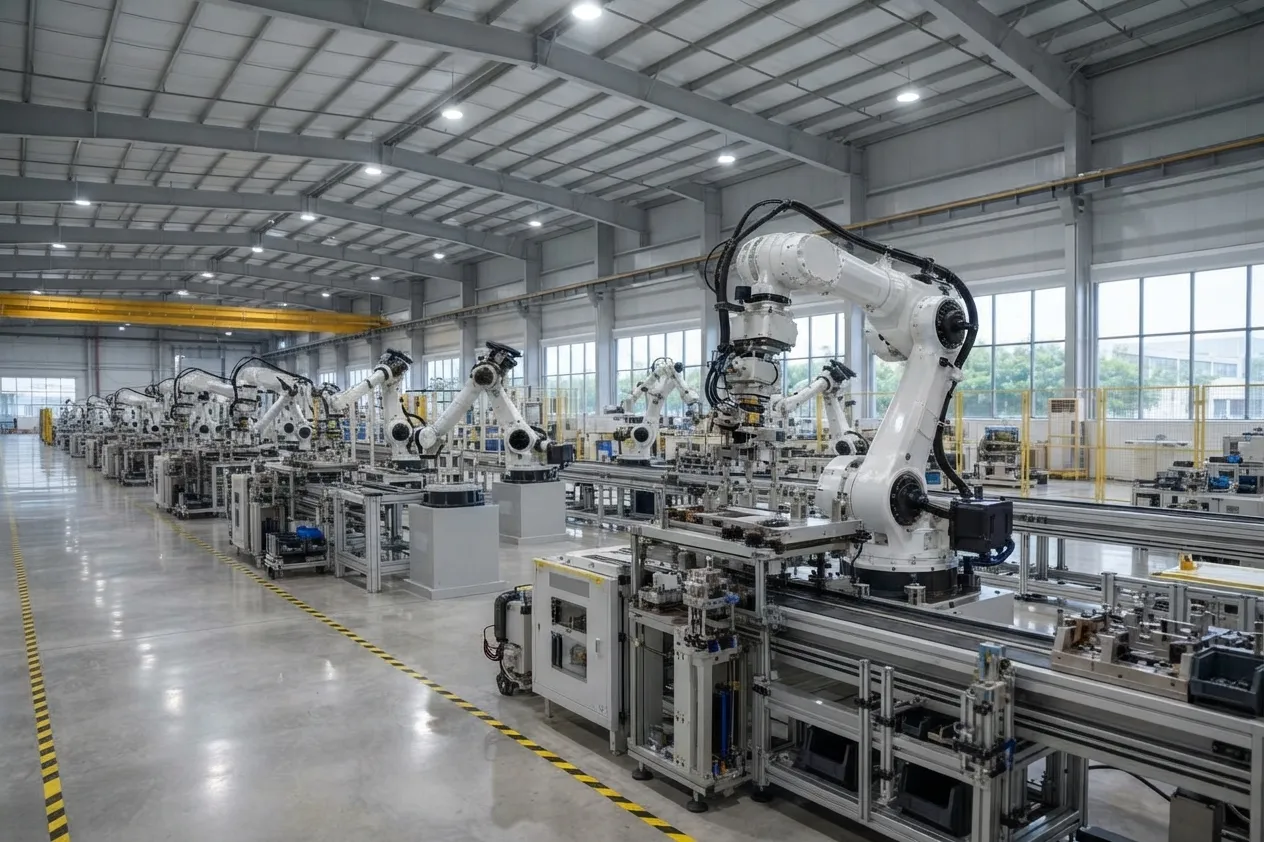
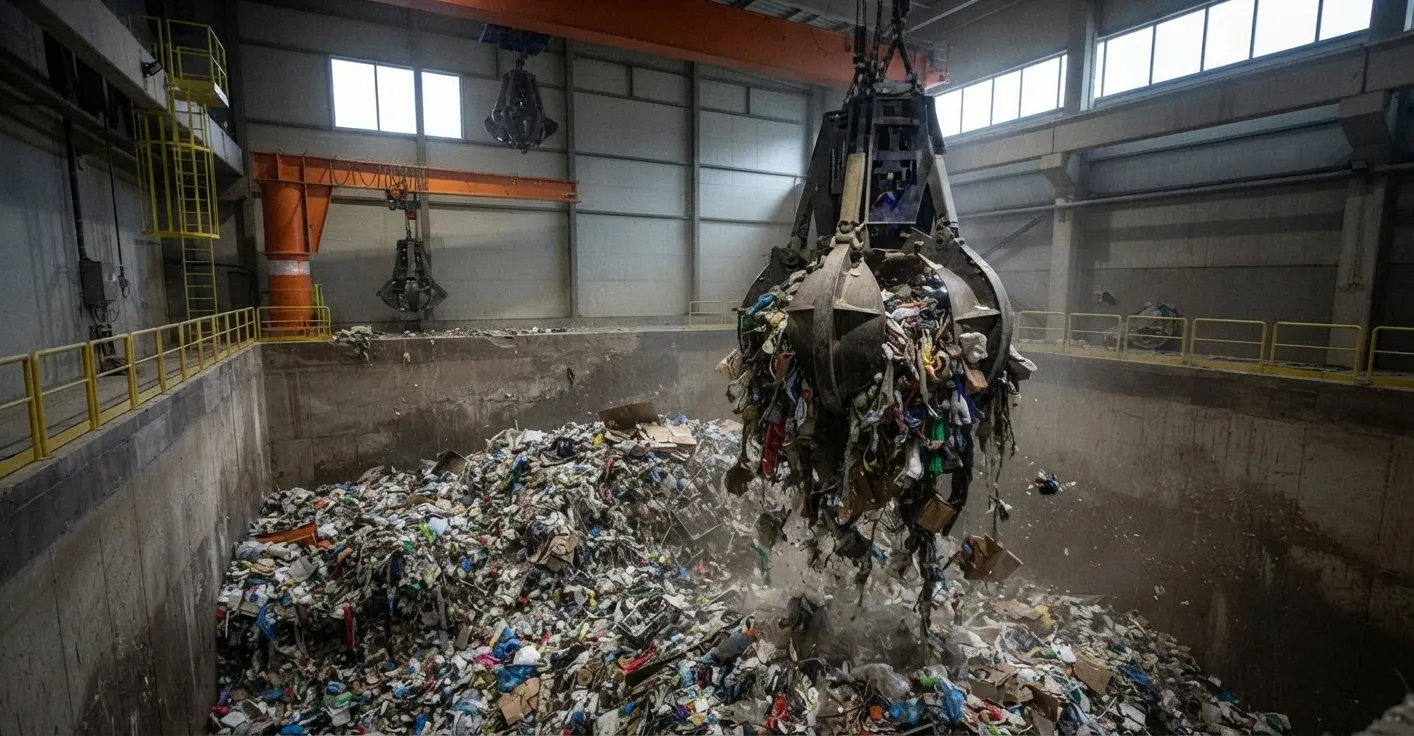
Disclaimer: This article is for informational purposes only and is based on publicly available reports. Project funding, implementation timelines, expected savings, household benefits and other details may change and should be verified through official sources. The accompanying image is AI-generated and for illustrative purposes only.