Pakistan is eyeing a major opportunity to expand its hybrid rice exports to China, with the potential market estimated at up to $1.5 billion — a development that could significantly strengthen the country's agricultural export base while driving broader improvements across its farming and food-safety infrastructure.
The Scale of the Opportunity
The potential hybrid rice export market to China has been estimated at up to $1.5 billion, representing a substantial opportunity within Pakistan's broader agricultural export portfolio. Given the size of China's population and its status as one of the world's largest rice-consuming markets, even a modest share of this demand could translate into a meaningful boost for Pakistan's agricultural export earnings.
What Is Hybrid Rice?
Hybrid rice refers to rice varieties bred specifically to combine desirable traits from different parent rice strains — typically aiming for higher yields, better disease resistance, or improved grain quality compared to conventional rice varieties. Hybrid rice technology, pioneered significantly by Chinese agricultural scientists, has played a major role in boosting rice production yields globally, and China itself remains one of the world's leading producers and consumers of hybrid rice varieties.
Beyond Just Exports: Broader Agricultural Development
What makes this opportunity particularly significant is that its potential impact extends beyond simply increasing export revenue. According to the outlined opportunity, expanding hybrid rice exports to China could also help create greater demand across several interconnected areas of Pakistan's agricultural sector:
1. Quality seeds Meeting the demands of hybrid rice export markets would likely require greater investment in and access to high-quality hybrid rice seed varieties, potentially strengthening Pakistan's domestic seed development and supply infrastructure.
2. Contract farming Export-oriented hybrid rice production could encourage greater adoption of contract farming arrangements, where farmers grow crops under pre-agreed terms with buyers or processors — a model that can offer farmers greater income predictability while ensuring consistent quality and supply for export purposes.
3. Certification Accessing international export markets, particularly for agricultural products headed to a market as significant as China, typically requires meeting specific certification standards, potentially driving improvements in Pakistan's agricultural certification infrastructure and processes.
4. Food-safety standards Similarly, expanding into hybrid rice exports at this scale would likely necessitate stronger adherence to food-safety standards throughout the production and supply chain, an area where improvements could have positive spillover effects across Pakistan's broader agricultural export sector.
What It Would Take to Realize This Opportunity
According to the outlined vision, capturing this opportunity effectively would require two key ingredients:
1. The right strategy A well-designed strategic approach would be needed to position Pakistan's hybrid rice sector to effectively compete for and capture a meaningful share of this potential $1.5 billion market.
2. Stronger cooperation between the government and private sector Collaboration between public sector institutions and private agricultural businesses would likely play a critical role in coordinating the necessary investments in seed development, farming practices, certification infrastructure, and export logistics needed to realize this opportunity.
Why This Matters for Pakistan's Economy
1. Diversifying and strengthening agricultural exports Agriculture remains a foundational sector within Pakistan's economy, and successfully expanding into higher-value export opportunities like hybrid rice could help diversify and strengthen the country's overall agricultural export base.
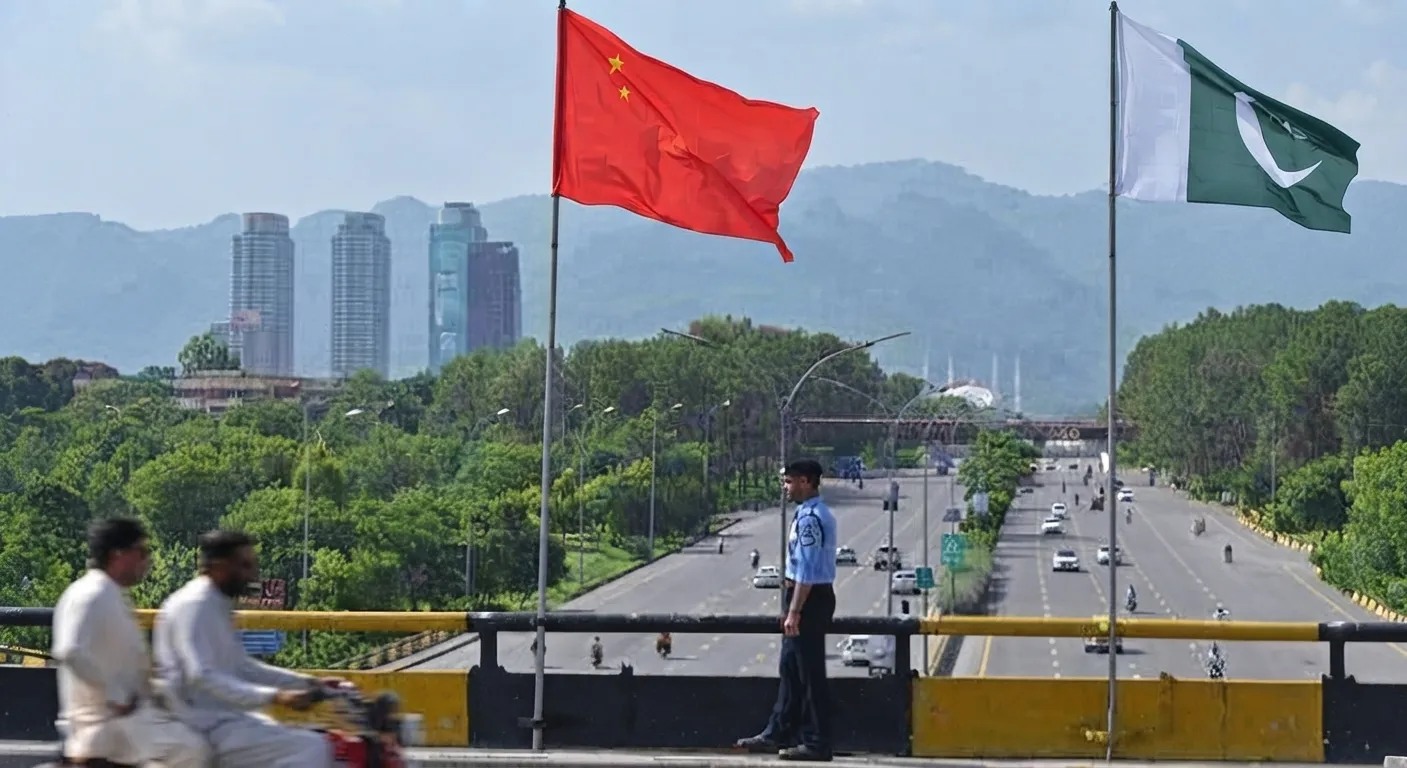
2. Deepening Pakistan-China trade ties This opportunity aligns with broader efforts to deepen trade relations between Pakistan and China, adding a new agricultural dimension to what has historically included substantial cooperation in infrastructure, energy, and other economic sectors.
3. Potential ripple effects across the agricultural value chain As outlined, the opportunity extends well beyond the rice export transaction itself, with potential positive effects on seed quality, farming practices, and food-safety standards that could benefit Pakistan's broader agricultural sector, not just hybrid rice production specifically.
4. A meaningful contribution to export growth If successfully captured, a market opportunity of this scale — up to $1.5 billion — could represent a significant contribution to Pakistan's overall export growth objectives, particularly within the agricultural sector.
Challenges to Consider
While the opportunity is significant, successfully capturing a substantial share of this potential market would likely require overcoming various practical challenges, including:
- Building sufficient hybrid rice seed production and distribution capacity
- Establishing and maintaining certification processes that meet Chinese import standards
- Developing reliable contract farming networks capable of ensuring consistent quality and supply
- Strengthening food-safety compliance throughout the production and export supply chain
- Navigating competition from other rice-exporting countries also targeting the Chinese market
Conclusion
Pakistan's potential opportunity to expand hybrid rice exports to China, estimated at up to $1.5 billion, represents a significant prospect for strengthening the country's agricultural export sector while driving broader improvements in seed quality, contract farming, certification, and food-safety standards. Realizing this opportunity will likely depend on the development of an effective strategic approach and meaningful cooperation between Pakistan's government and private agricultural sector in the period ahead.
Disclaimer: This post is for informational purposes only and is based on publicly available reports. The image referenced in the original social media post is AI generated and is for reference only. This article does not constitute investment or trade advice.