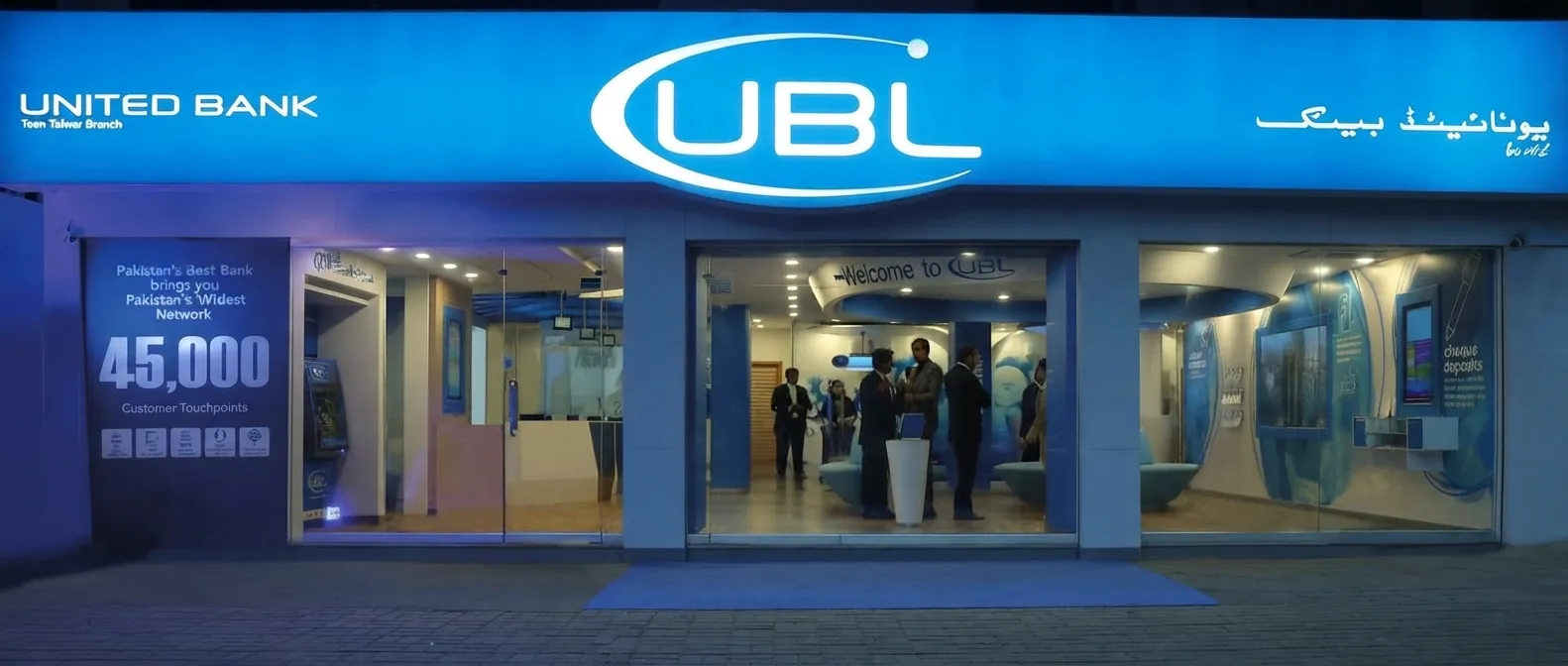
A major cyber fraud case involving UBL customers has revealed how stolen banking information and duplicate SIMs were allegedly used to bypass security measures, with six account holders reportedly losing a combined Rs10.45 million before the Lahore High Court issued contrasting bail decisions for two suspects linked to the case.
What Allegedly Happened
According to investigators, the fraud scheme allegedly worked by exploiting the connection between customers' banking accounts and their registered mobile SIM cards — a link that many banks rely on for security verification, including receiving one-time passwords (OTPs) and transaction alerts. Reportedly, the scheme allegedly involved:
- Original SIMs being blocked, cutting off the legitimate account holder's access to their registered mobile number
- Replacement (duplicate) SIMs being activated in their place, allegedly allowing the fraud network to intercept SMS-based security codes and alerts intended for the actual customer
- Stolen banking information being used alongside these duplicate SIMs to allegedly bypass security measures and access customer accounts
The Reported Financial Impact
According to the reports, six account holders were affected, with losses reportedly totaling a combined Rs10.45 million. This figure reflects the cumulative reported losses across all six affected customers, highlighting the potentially significant scale of the alleged fraud scheme.
Allegations of Insider Involvement
A particularly serious element of the case involves allegations that customer data was accessed by insiders — individuals with legitimate access to sensitive customer information — and allegedly shared with members of the fraud network. This aspect of the case suggests investigators believe the scheme may have relied not just on external hacking or deception, but potentially on the misuse of legitimate internal access to customer data by people employed within the systems meant to protect it.
Court Proceedings: Contrasting Bail Decisions
The Lahore High Court has issued differing bail decisions for two individuals connected to the case:
1. A UBL employee accused of misusing customer information The court dismissed bail for this individual, meaning they will remain in custody as the case against them continues to proceed through the legal system.
2. A suspect linked to a telecom franchise In contrast, the court granted bail to this individual, allowing them to be released from custody while the case continues, subject to whatever bail conditions the court may have imposed.
It's important to note that these bail decisions reflect procedural rulings on whether each individual should remain in custody during the ongoing legal process — they do not represent a final determination of guilt or innocence for either suspect.
Why This Case Matters
1. Highlighting the security risks of SIM-based verification This case underscores a well-documented vulnerability in relying on SIM-linked mobile numbers for banking security verification — if a SIM can be fraudulently duplicated or swapped, the security layer it's meant to provide can potentially be circumvented, as this case allegedly demonstrates.
2. The particular seriousness of alleged insider involvement Allegations that customer data may have been accessed and shared by insiders represent a particularly serious dimension of this case, as it points to potential vulnerabilities not just in external security systems, but in the trustworthiness of internal access controls and personnel handling sensitive customer information.
3. Cross-sector coordination in the alleged scheme With suspects reportedly linked to both a bank (UBL) and a telecom franchise, this case illustrates how fraud schemes of this nature can allegedly require coordination across different sectors — banking and telecommunications — to successfully execute a SIM-swap style fraud.
4. Real financial harm to customers Beyond the technical and legal dimensions of the case, the reported Rs10.45 million in combined losses represents genuine financial harm experienced by the six affected account holders, underscoring the real-world stakes involved in cases of this nature.
5. Ongoing judicial scrutiny The Lahore High Court's active involvement in reviewing bail applications for those accused reflects that this case is currently moving through Pakistan's formal legal process, with further proceedings expected as the case continues.
Broader Implications for Banking and Telecom Security
Cases like this one often prompt broader conversations about strengthening security protocols at the intersection of banking and telecommunications — including how banks and telecom operators verify identity before actions like SIM replacement are processed, and how internal access to sensitive customer data is monitored and controlled to prevent potential misuse by employees with legitimate system access.
What Happens Next
With one accused individual denied bail and remaining in custody, and another granted bail, the case is expected to continue proceeding through Pakistan's judicial system. Further developments — including any additional charges, trial proceedings, or outcomes for the accused individuals — are likely to emerge as the case moves forward.
Conclusion
This alleged UBL SIM-swap fraud case, involving reported losses of Rs10.45 million across six account holders and allegations of insider involvement in accessing and sharing customer data, highlights significant vulnerabilities at the intersection of banking and telecom security. With the Lahore High Court dismissing bail for the accused UBL employee while granting bail to a suspect linked to a telecom franchise, the case remains an active legal matter, with further proceedings expected as investigators and the courts continue examining the allegations involved.
Disclaimer: This post is for informational purposes only and is based on publicly available reports. The image referenced in the original social media post is AI generated and is for reference only. The allegations referenced in this article are part of an ongoing legal process and should be understood as such — no individual named or referenced has been determined guilty of any offence at this stage.