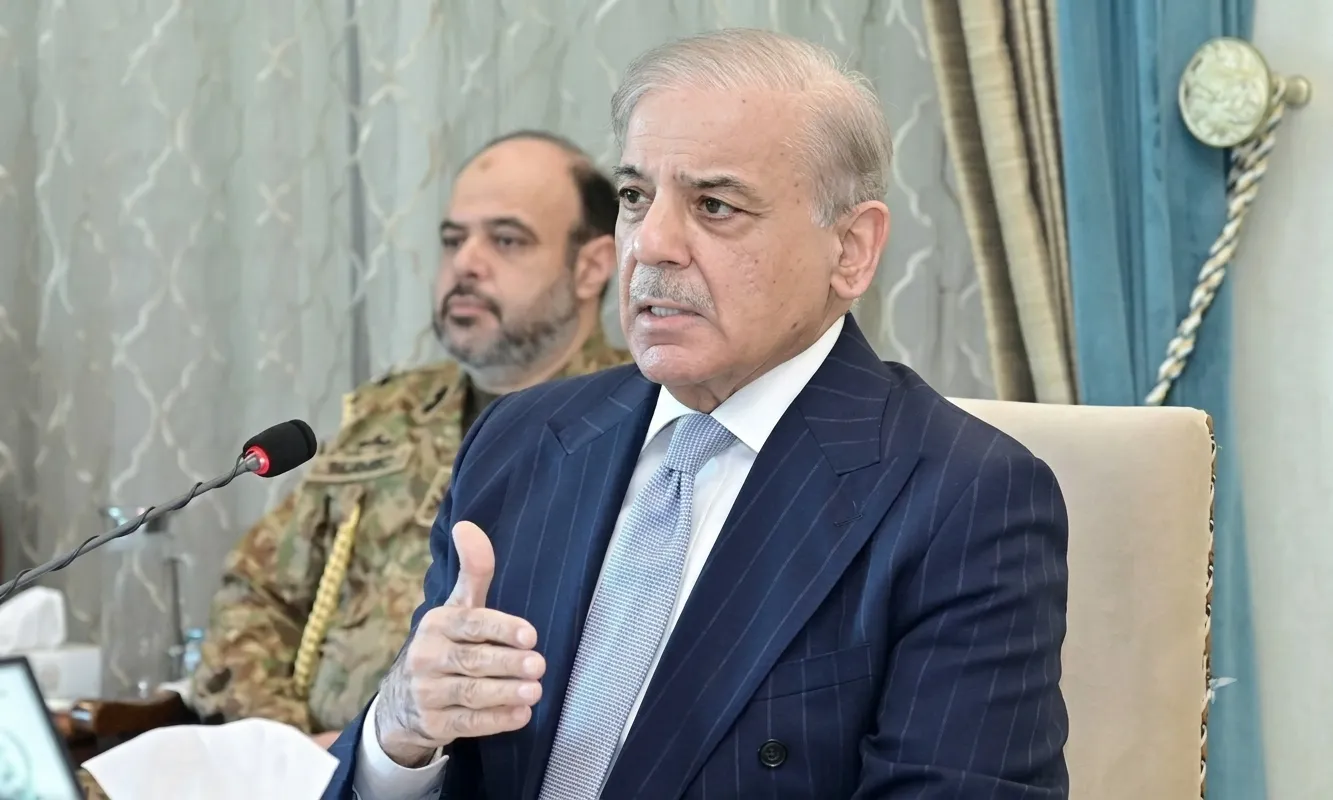
Prime Minister Shehbaz Sharif has announced a new initiative under which 100 young agricultural graduates from Pakistan will be sent to Italy for specialised training in olive cultivation, processing, marketing and value-chain development.
The announcement was made during the launch of Pakistan’s National Olive Value Chain Policy, as the government seeks to strengthen the country’s emerging olive industry and reduce its dependence on imported edible oil.
🌿 Pakistan’s Olive Sector Expanding
According to the announcement, olive cultivation in Pakistan has expanded to approximately 60,000 acres across the country.
The growth has been supported by farmers, agricultural researchers, exporters and other stakeholders working to develop olive production in regions with suitable climatic conditions.
Pakistan has significant potential to expand olive cultivation further, particularly in areas where agricultural land and climate conditions are suitable for olive trees.
🇮🇹 Training in Italy
Under the new initiative, 100 young agricultural graduates will receive specialised exposure to Italy’s olive industry.
Their training is expected to cover key areas including:
- Olive cultivation and modern farming techniques
- Olive harvesting
- Oil extraction and processing
- Quality control
- Packaging and branding
- Marketing and exports
- Value-chain development
- Modern olive-industry management
The objective is not simply to increase the number of olive trees in Pakistan, but to develop professionals capable of supporting the complete olive value chain, from cultivation to international markets.
💰 Reducing Edible Oil Imports
Pakistan currently spends significant amounts of foreign exchange importing edible oils. Expanding domestic olive production could provide an additional locally produced source of edible oil and potentially reduce some import dependence over time.
Prime Minister Shehbaz Sharif highlighted the potential of the olive sector to strengthen domestic production and conserve valuable foreign exchange.
A stronger domestic olive industry could also create opportunities for farmers, processors, exporters and agricultural businesses.
📈 From Farming to Value Addition
One of the important aspects of the National Olive Value Chain Policy is the focus on value addition.
Simply producing olives is only one part of building a competitive industry. Pakistan will also need modern processing facilities, quality standards, efficient supply chains, packaging capabilities and effective domestic and international marketing.
Developing these areas could help Pakistani olive products compete more effectively in both local and international markets.
👩🌾 Opportunities for Young Professionals
The training programme also places young agricultural graduates at the centre of the sector's development.
International exposure could allow participants to learn how established olive-producing countries use modern technology, research, processing systems and commercial strategies.
If this expertise is successfully transferred to Pakistan, the graduates could eventually contribute to farmer training, research, commercial olive farms, processing facilities and export-oriented businesses.
🇵🇰 A Potential Opportunity for Pakistan’s Agriculture
Pakistan's agricultural sector is increasingly looking toward crops that can provide greater value while supporting rural economies.
The development of the olive industry could potentially create opportunities beyond farming, including:
Olive farming → harvesting → processing → packaging → branding → domestic sales → exports
Building this complete chain will be important if Pakistan wants to turn its growing olive cultivation into a sustainable agricultural industry.
Looking Ahead
Sending young agricultural graduates to Italy represents an investment in technical expertise and human capital. However, the long-term success of the initiative will depend on how effectively the knowledge gained abroad is implemented after the graduates return to Pakistan.
Greater investment in research, modern irrigation, processing infrastructure, quality standards, farmer training and export development could help Pakistan transform its growing olive cultivation into a stronger commercial sector.
If successfully developed, the olive industry could contribute to import substitution, rural employment, agricultural diversification and export growth.
Conclusion
Pakistan's decision to send 100 young agricultural graduates to Italy for specialised olive-industry training reflects a broader effort to modernise agriculture and develop higher-value crops.
With olive cultivation reportedly reaching around 60,000 acres, the next challenge is to build the expertise and infrastructure needed to turn production into a competitive national value chain.
The initiative could provide Pakistan's young agricultural professionals with valuable international experience while helping lay the groundwork for a more developed and self-reliant olive industry.
Disclaimer: This article is for informational purposes and is based on publicly available reports and statements. Figures and details may be subject to further official updates. The accompanying image is AI-generated and used for reference only.