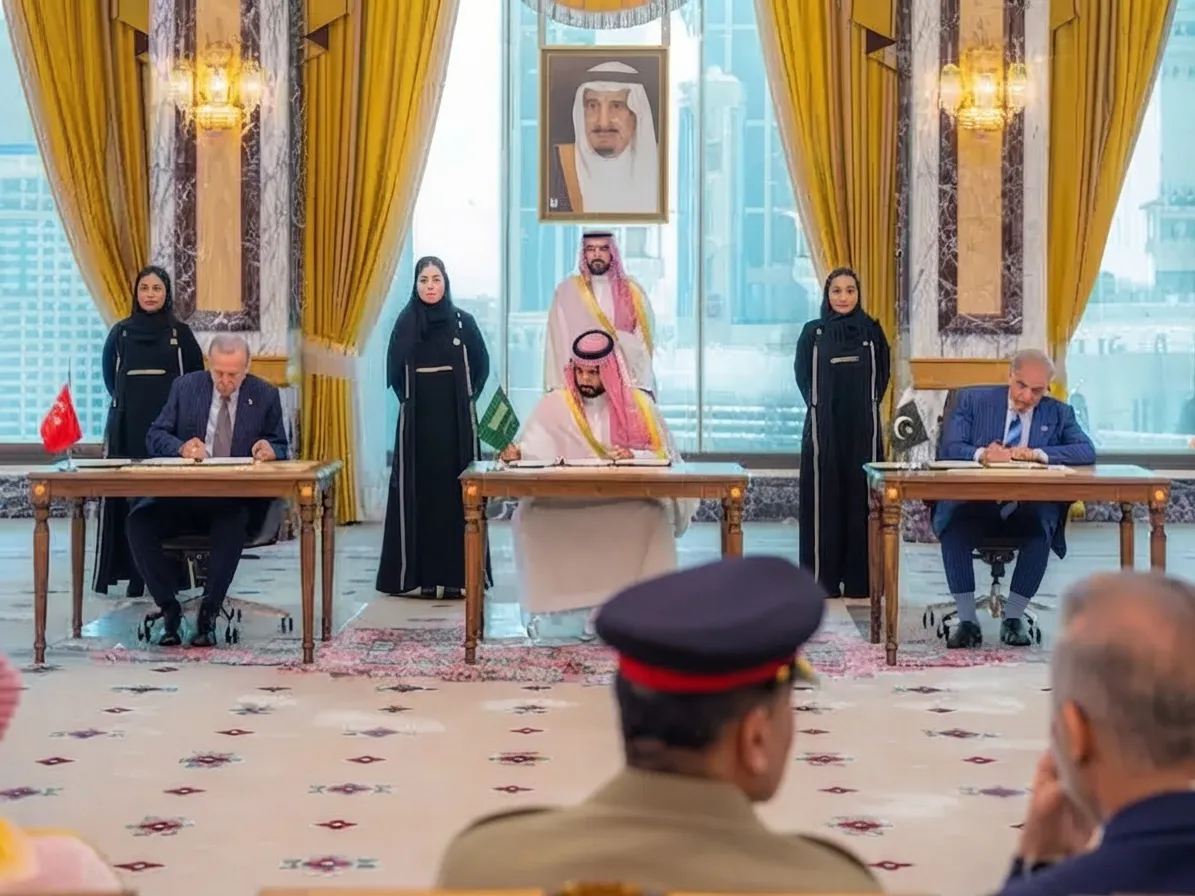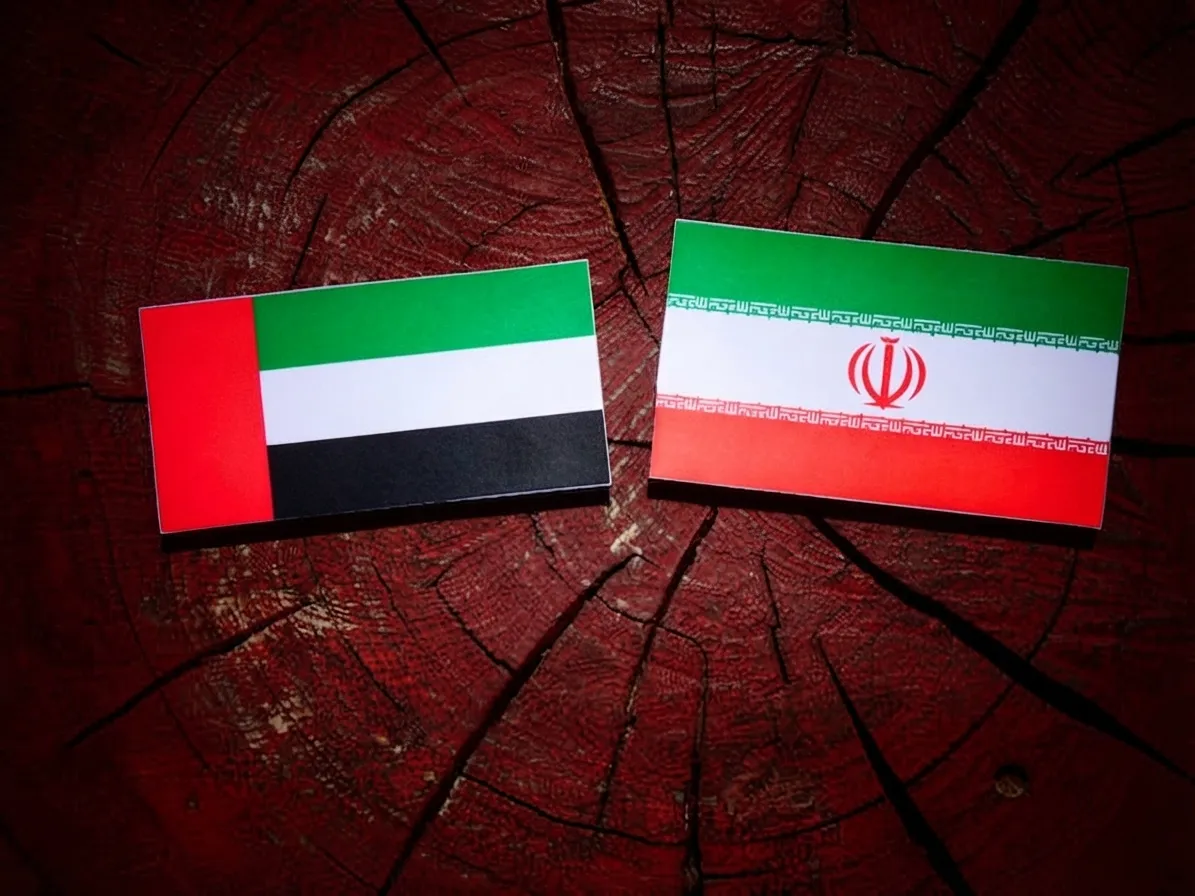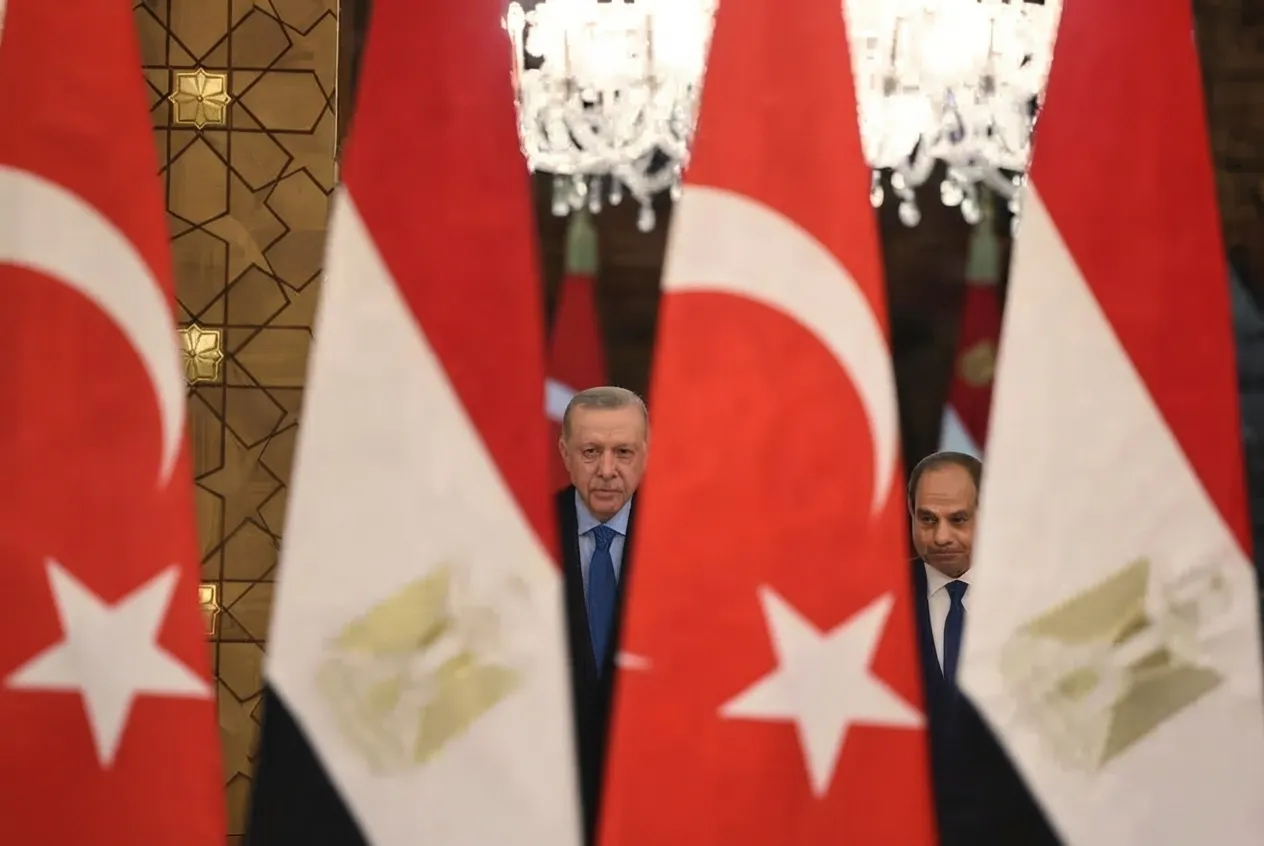
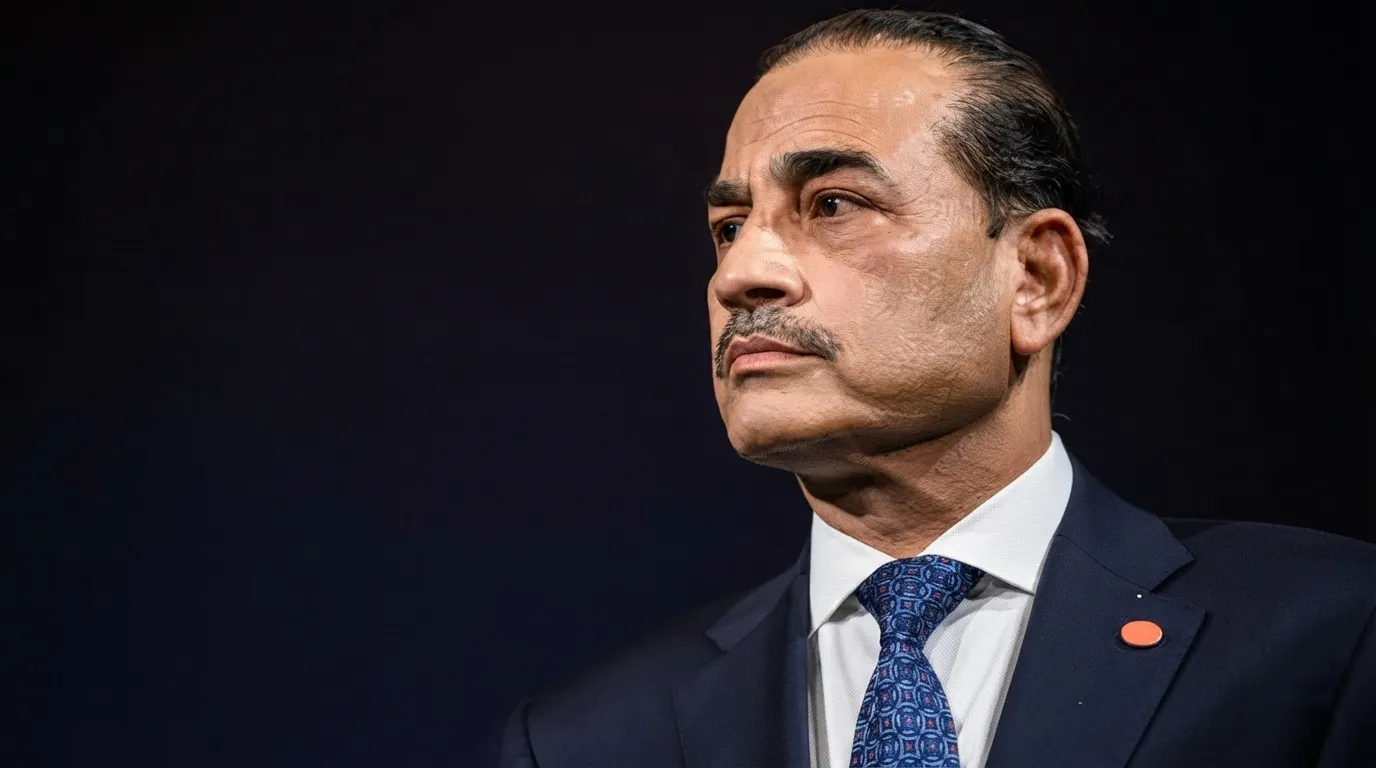
Iran's Supreme National Security Council Secretary Mohsen Rezaei delivered a blunt message to the United States during a meeting with Pakistan's Field Marshal Asim Munir in Tehran on August 24, 2026, saying Iran remains distrustful of Washington and demanding concrete action rather than promises.
What Was Said
According to Iranian state broadcaster IRIB, as well as reporting from Fars and Mehr News Agency, Rezaei told Munir: "America must change its behaviour and take practical steps to implement the terms of the agreement." Separately quoted by CNN, Rezaei said the US "must change its behavior and take concrete steps toward fulfilling the conditions of the memorandum of understanding."
During the meeting, Rezaei also specifically emphasized Iran's security control over the Strait of Hormuz, and stressed that any broader settlement with Washington would need to address the military and economic pressures Tehran says have been imposed on it.
The Agreement in Question: The Islamabad MoU
The "agreement" Rezaei referenced is the 14-point Islamabad Memorandum of Understanding (MoU), signed in June 2026, aimed at ending hostilities in the broader West Asia conflict and establishing channels for technical talks — including discussions on the Strait of Hormuz and Iran's nuclear programme. Pakistan played a direct role in facilitating this earlier understanding, which forms the basis for the current diplomatic track Munir was working to revive during this visit.
The Broader Context of Munir's Visit
This was reportedly Field Marshal Munir's fourth visit to Tehran this year, and his first since a significant reshuffle within Iran's military leadership earlier in August, when Iran's Supreme Leader Mojtaba Khamenei installed a new chief of the general staff and moved Rezaei into his current role at the Supreme National Security Council — placing him at the center of Tehran's national security decision-making at what Al Jazeera described as "this critical stage" in Iran's standoff with Washington.
During the same Tehran visit, Munir also met with:
- Iranian President Dr. Masoud Pezeshkian
- Parliament Speaker and chief negotiator Mohammad Bagher Ghalibaf
- Iranian Interior Minister Eskandar Momeni, alongside Pakistan's Interior Minister
Speaker Ghalibaf struck a similar tone to Rezaei, telling Munir that Iran remained committed to implementing the MoU's terms, while criticizing the US for what he described as repeated breaches of its own commitments — breaches he said had "hindered regional stability and further eroded trust in Washington."
Pakistan's Role as Mediator
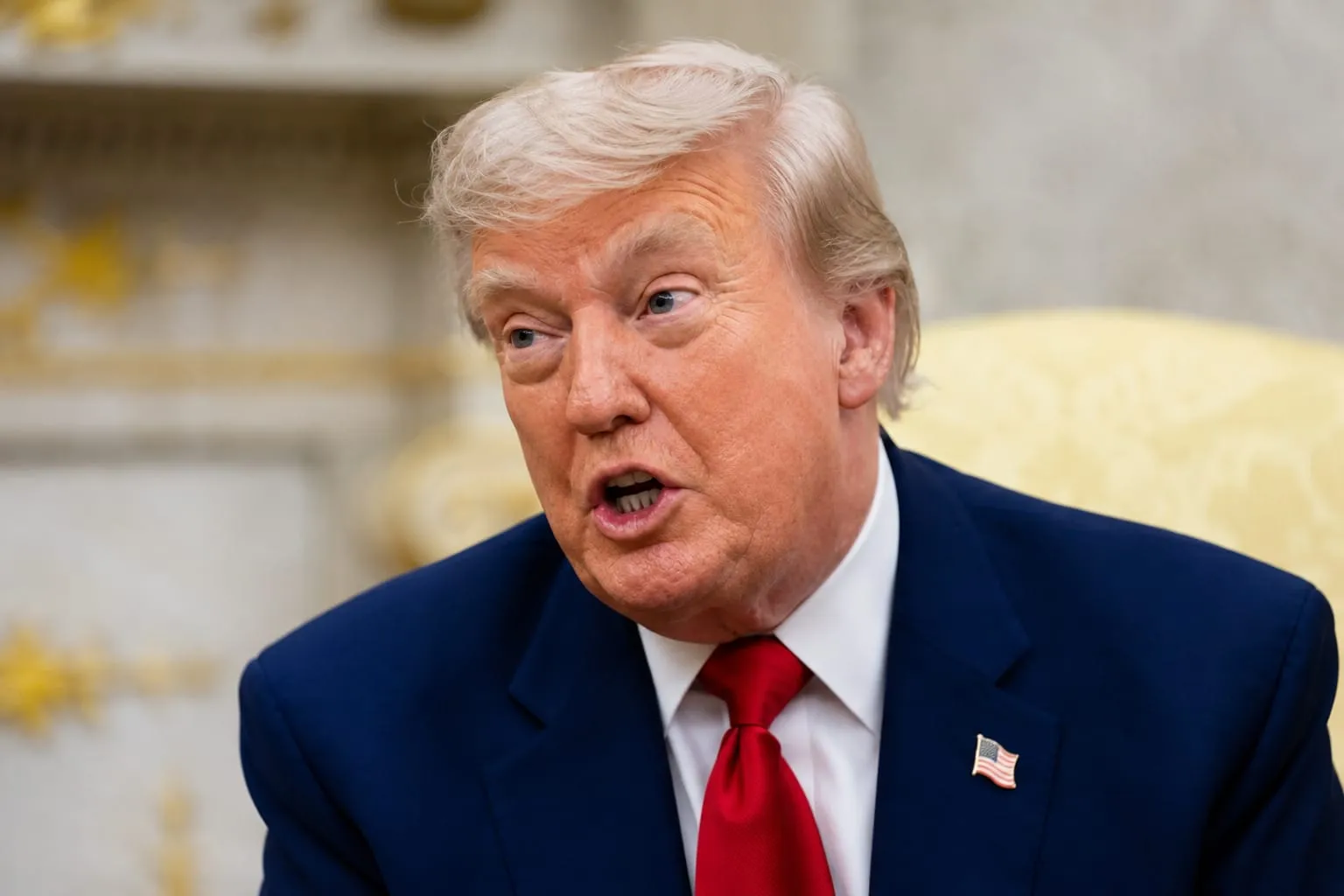
According to reporting, Field Marshal Munir told his Iranian counterparts that Pakistan would continue its efforts to help restore stability in the region. Notably, US President Donald Trump spoke by phone with Munir the week before his Tehran visit, according to a source cited by CNN, discussing Iran with Pakistan's army chief ahead of the trip — suggesting Washington itself has been actively engaging Pakistan's leadership as part of this mediation effort.
Analysts cited by Al Jazeera noted that Pakistan's advantage as a mediator lies in its direct access to the actual architects of Iran's current decision-making — specifically Rezaei, new general staff chief Abdollahi, and IRGC commander Ahmad Vahidi — with Munir's meeting with Rezaei described as potentially his most significant of the visit, given the gap reportedly existing between Iran's civilian president and the military figures now running national security decisions.
Why This Meeting Matters
1. A direct signal from Iran's actual security decision-makers Given Rezaei's recently elevated position at the center of Iran's national security apparatus, his remarks carry particular weight as a direct signal from the individuals now shaping Tehran's actual policy toward Washington, rather than more general diplomatic statements.
2. Underscoring the fragility of the June ceasefire framework Both Rezaei's and Ghalibaf's remarks reflect Iran's position that the US has not been fully honoring the Islamabad MoU's terms, highlighting ongoing strain in the framework meant to de-escalate the broader conflict.
3. Pakistan's expanding mediation role With this marking Munir's fourth Tehran visit this year, and direct US engagement with him ahead of the trip, Pakistan appears to be playing an increasingly central and trusted mediating role between Iran and the United States at this stage of the conflict.
4. The Strait of Hormuz remains a central flashpoint Rezaei's specific emphasis on Iran's "security management" of the Strait of Hormuz ties directly into the broader dispute over the waterway's status — a subject also being discussed on a separate diplomatic track, with Oman's foreign minister set to visit Tehran to discuss the strait and other regional developments.
A Note on Balance
It's worth noting that this reporting reflects statements made by Iranian officials, as relayed through Iranian state media (IRIB, Fars, Mehr) and international outlets covering the visit. The US has not been quoted in this reporting offering a direct rebuttal to the specific characterization that it has breached the MoU's terms; broader US actions during this period — including reported plans to threaten sanctions on countries not cutting economic ties with Tehran — suggest Washington's own approach to the situation remains firm rather than conciliatory.
Conclusion
Mohsen Rezaei's blunt message to the United States — delivered directly to Pakistan's Field Marshal Asim Munir during his fourth Tehran visit of the year — underscores the continued fragility of the June 2026 Islamabad Memorandum of Understanding and the deep distrust Iran's current security leadership holds toward Washington. With Pakistan continuing its active mediation efforts, including direct engagement from both Trump and senior Iranian officials, Munir's ability to help bridge this gap may prove to be a significant test of Islamabad's growing role as an intermediary in one of the region's most consequential ongoing conflicts.
Disclaimer: This post is for informational purposes only and is based on publicly available reports. The image referenced in the original social media post is AI generated and is for reference only. This article presents statements attributed to Iranian officials as reported by Iranian and international media, and does not endorse any political position.