Introduction: A Major Strategic Pivot for Pakistan's Power Sector
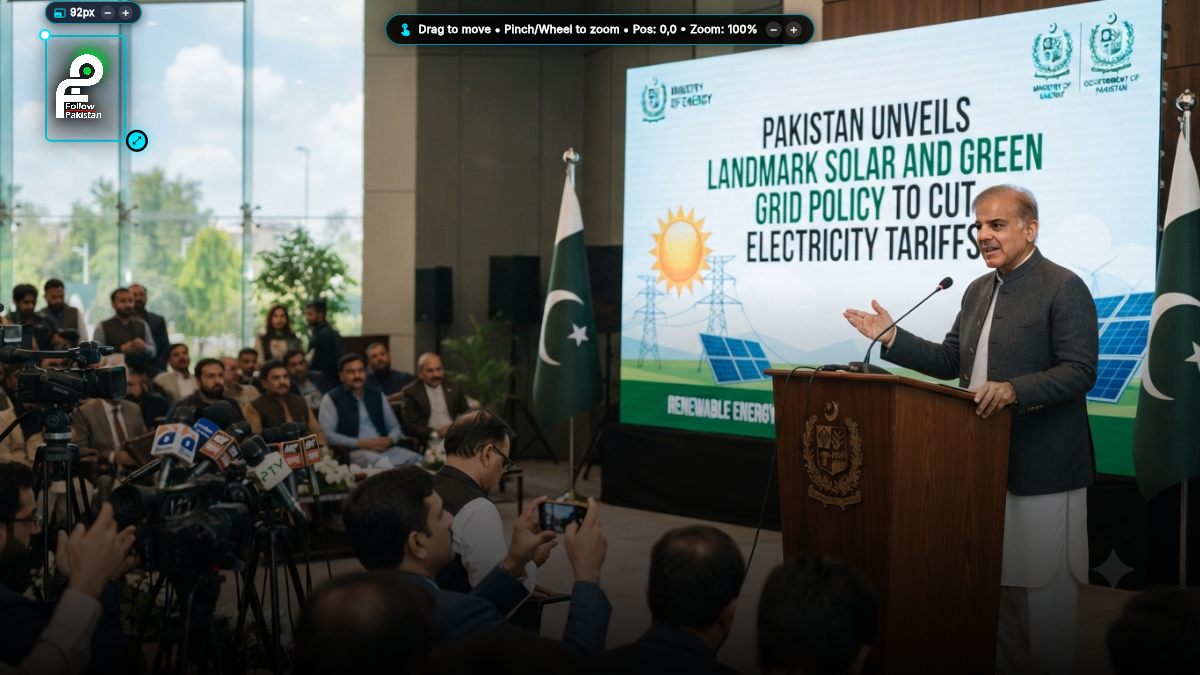
In a much-anticipated structural reform, the Government of Pakistan has formally notified its comprehensive National Solar and Green Transmission Framework. The directive, signed off by the Federal Cabinet in Islamabad, represents an aggressive push to curb circular debt and grant sustainable relief to Pakistani households and industries burdened by volatile power tariffs.
Core Policy Reforms: Battery Exemptions and Grid Upgrades
At the heart of the new policy is the outright abolition of customs duties and import levies on lithium-ion and advanced chemical energy storage batteries. Previously subject to tariffs exceeding 20%, energy storage solutions will now enter Pakistan duty-free, accelerating the adoption of 24-hour solar ecosystems.
Furthermore, power distribution companies (DISCOs) across Punjab, Sindh, KPK, and Balochistan have been issued binding regulatory targets to upgrade neighborhood step-down transformers to support bidirectional power flow from rooftop net-metering installations.
Impact on Consumers and the Macro-Economy
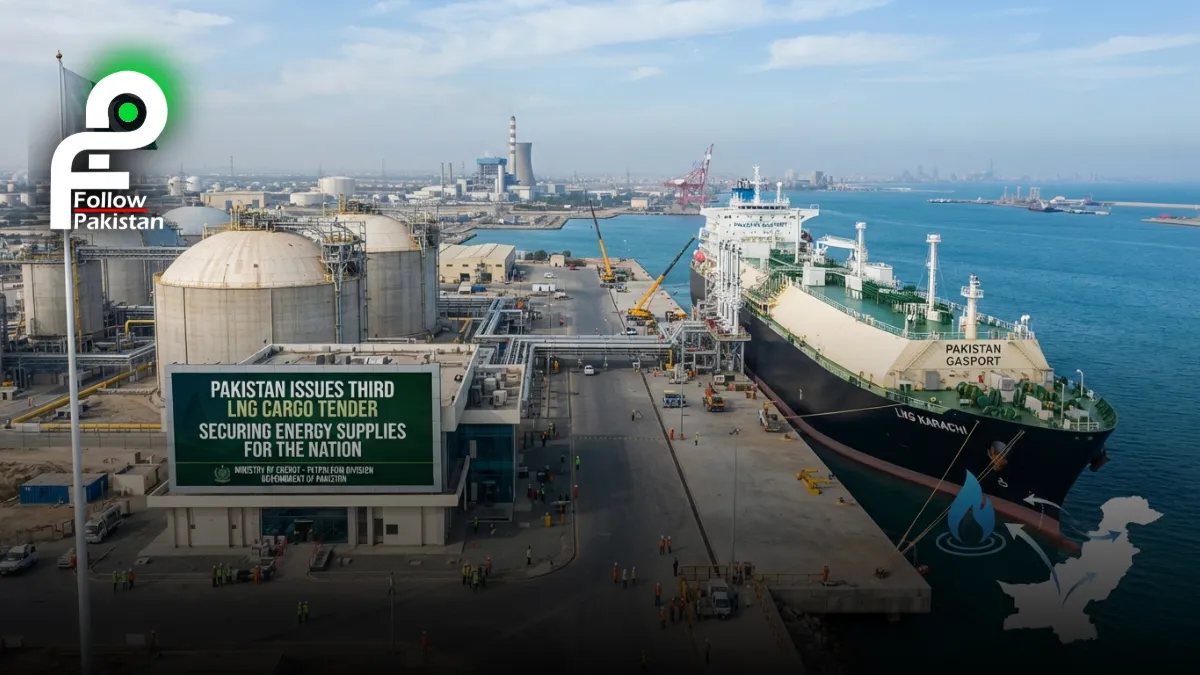
Energy analysts estimate that households adopting integrated solar and storage setups could see their net summer utility bills decrease by 30% to 35%. On a macro level, reducing daytime reliance on imported liquefied natural gas (RLNG) and furnace oil is projected to preserve over million in annual foreign exchange reserves.
Source Verification and Attribution
This report synthesizes verified regulatory notifications and official statements recorded by Dawn, The Express Tribune, Geo News, and Business Recorder.