Pakistan Sets $1 Trillion Economy Target for 2035
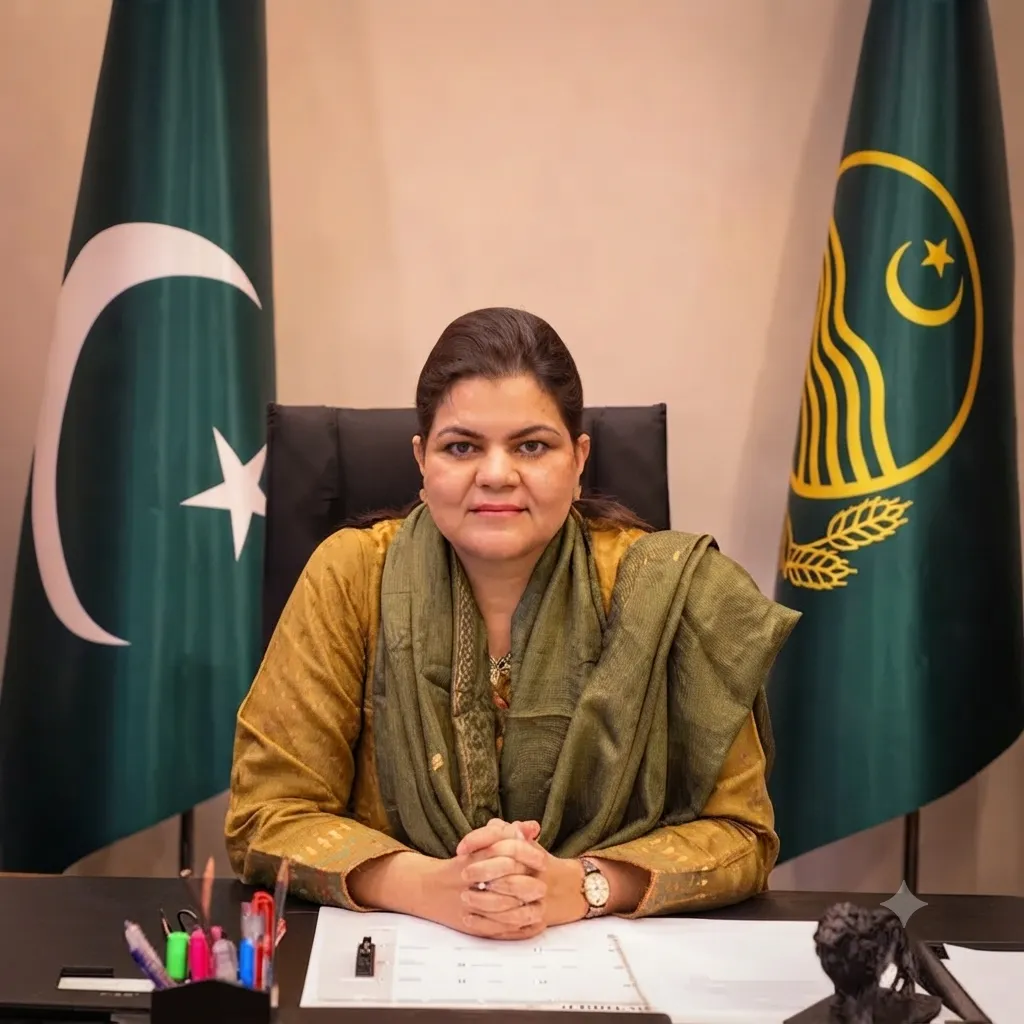
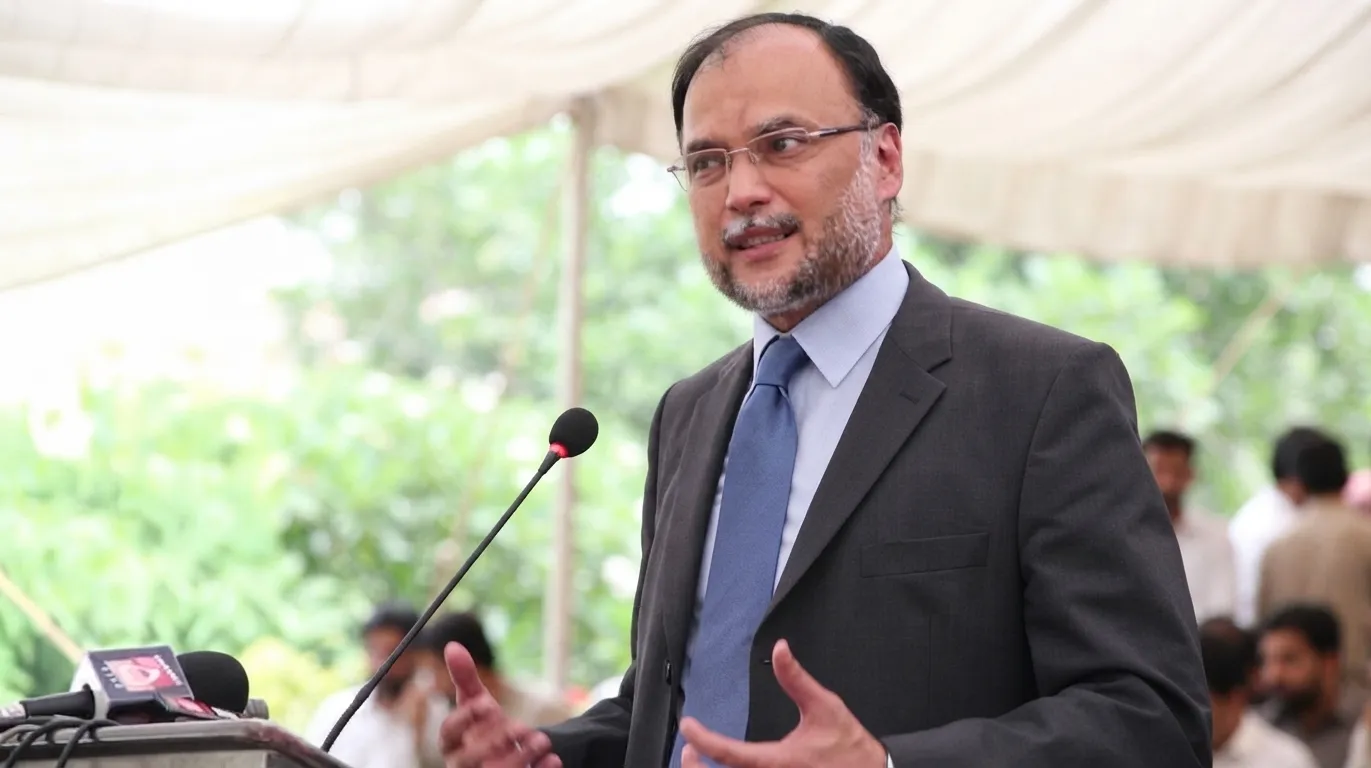
Pakistan is targeting a $1 trillion economy by 2035, Planning Minister Ahsan Iqbal has said, outlining a long-term economic vision that goes beyond simply achieving a particular gross domestic product figure.
According to the minister, Pakistan's economic transformation must be built around productivity, innovation, investment, exports and employment, with a focus on creating sustainable and inclusive economic growth.
The ambition forms part of the government's broader URAAN Pakistan framework.
More Than Just a GDP Target
The proposed $1 trillion economy is being presented as a broader development objective rather than simply a numerical GDP milestone.
The government wants economic growth to translate into greater productivity, stronger industries, increased exports, more investment and employment opportunities.
This approach places emphasis on strengthening the underlying productive capacity of the economy rather than relying solely on short-term GDP expansion.
Key Priorities Under URAAN Pakistan
The government's URAAN Pakistan framework identifies several areas considered important for Pakistan's long-term economic transformation.
These include:
- Digital transformation
- Energy
- Infrastructure
- Climate resilience
- Human capital
- Economic equity
- Innovation
- Investment
- Export development
The objective is to build an economy that is more competitive, productive and capable of generating sustainable employment.
Strengthening "Made in Pakistan"
Ahsan Iqbal has also emphasized the importance of strengthening the "Made in Pakistan" brand.
Rather than competing primarily through low-cost production, the focus is expected to shift toward quality, innovation and higher-value products that can compete in international markets.
A stronger domestic manufacturing base could also help Pakistan increase exports, reduce dependence on imported products and create more employment opportunities.
Greater Focus on AI and Technology
Technology is another major component of the economic vision.
The government has highlighted the need for greater attention to artificial intelligence, advanced manufacturing, agriculture and technology.
AI and digital technologies are increasingly influencing productivity across industries, from manufacturing and agriculture to financial services and education.
For Pakistan, expanding technological capabilities could provide opportunities to improve productivity while creating new digitally driven industries and employment opportunities.
Agriculture Remains Important
Agriculture continues to be an important component of Pakistan's economy and employment landscape.
Greater use of technology, modern production methods and innovation could help improve agricultural productivity and strengthen the country's ability to produce higher-value agricultural products.
Technology-driven agriculture could also contribute to export growth and greater resilience against climate-related challenges.
Investment and Export Growth
Achieving a substantially larger economy will require increased investment and stronger export performance.
Investment can help expand productive capacity, modernize infrastructure and support new businesses and industries.
At the same time, increasing exports can bring additional foreign exchange into the economy and reduce pressure created by persistent external financing requirements.
A stronger export base would also require Pakistani companies to compete on quality, innovation, reliability and productivity in international markets.
Policy Continuity Is Critical
Ahsan Iqbal has stressed that policy continuity will be important for achieving Pakistan's long-term economic objectives.
Major investments in infrastructure, manufacturing, technology and human capital generally require years to generate their full economic impact.
Frequent changes in policies can create uncertainty for businesses and investors, potentially affecting long-term investment decisions.
Consistent economic policies could therefore play an important role in supporting private-sector investment and economic planning.
Public-Private Cooperation
Another key element highlighted by the minister is stronger public-private cooperation.
The government can establish policies, infrastructure and regulatory frameworks, while the private sector can contribute investment, innovation, technology and employment.
Closer cooperation between the two could help accelerate industrial development and improve Pakistan's competitiveness.
What Would a $1 Trillion Economy Mean?
If achieved, a $1 trillion economy would represent a major expansion of Pakistan's economic scale.
However, the quality of that growth would be just as important as the headline GDP figure.
For the target to translate into meaningful improvements for citizens, economic expansion would ideally be accompanied by:
- Higher productivity
- More formal employment
- Increased household incomes
- Greater investment
- Stronger exports
- Improved infrastructure
- Better human capital
- Greater technological capacity
- More resilient industries
The challenge will therefore be not only to increase the size of the economy but also to make its growth sustainable, productive and broadly beneficial.
Can Pakistan Reach the Target?
Reaching a $1 trillion economy by 2035 would require sustained economic growth over several years.
The outcome will depend on numerous factors, including domestic investment, exports, productivity, inflation, exchange-rate conditions, fiscal management, energy availability, political and policy stability, human capital development and global economic conditions.
The target should therefore be viewed as a long-term ambition rather than a guaranteed outcome.
Bottom Line
Pakistan's proposed $1 trillion economy by 2035 represents an ambitious long-term economic objective.
Under the URAAN Pakistan framework, the government is emphasizing productivity, innovation, exports, investment, employment, digital transformation, infrastructure, human capital and economic resilience.
The focus on AI, advanced manufacturing, agriculture, technology and "Made in Pakistan" also points toward an attempt to strengthen Pakistan's productive and export capabilities.
Ultimately, achieving the target will depend on sustained implementation, policy continuity, private-sector investment and the ability to translate economic plans into measurable improvements in productivity and competitiveness.
Disclaimer: This article is for informational and journalistic purposes only and is based on publicly available reports. The accompanying image is AI-generated and used for reference purposes only. The $1 trillion target is an announced policy ambition and should not be interpreted as a guarantee of future economic performance.