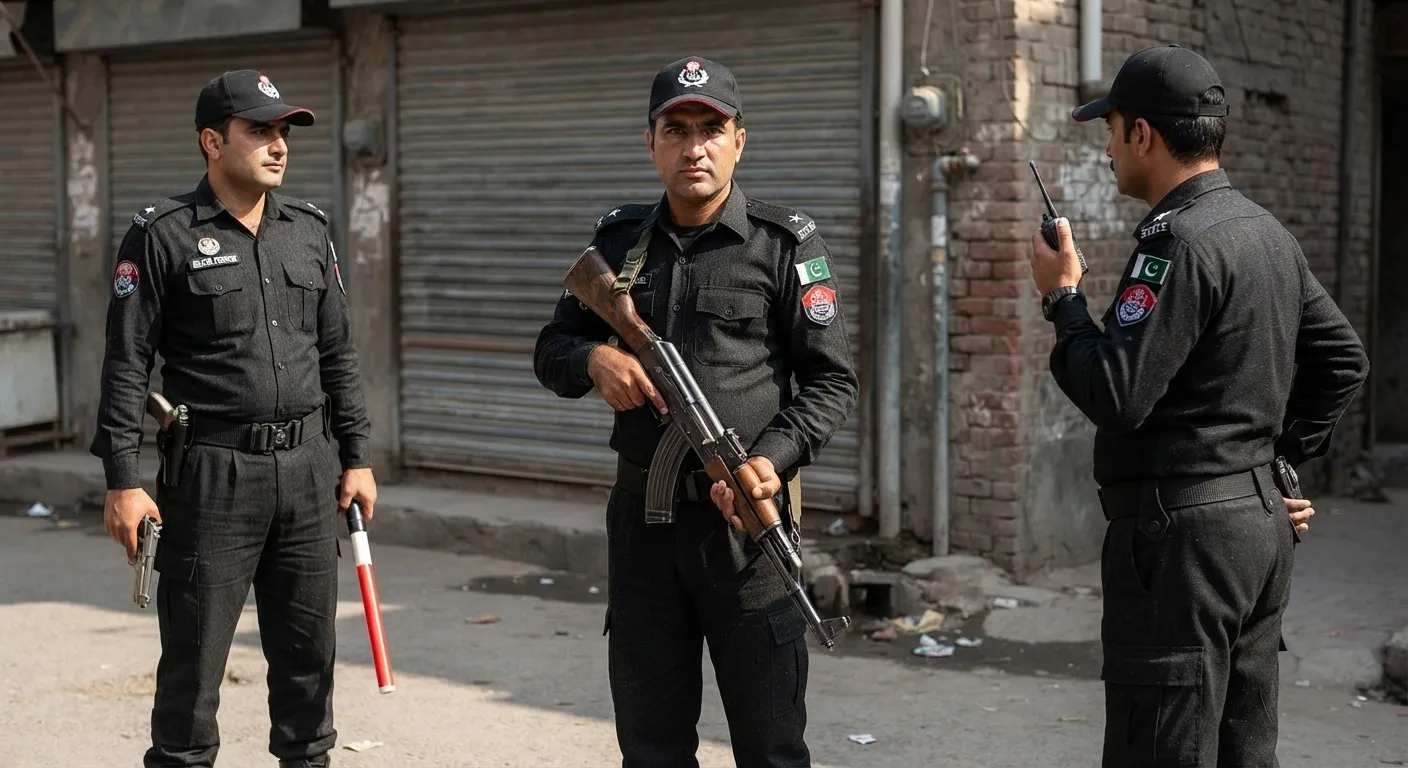
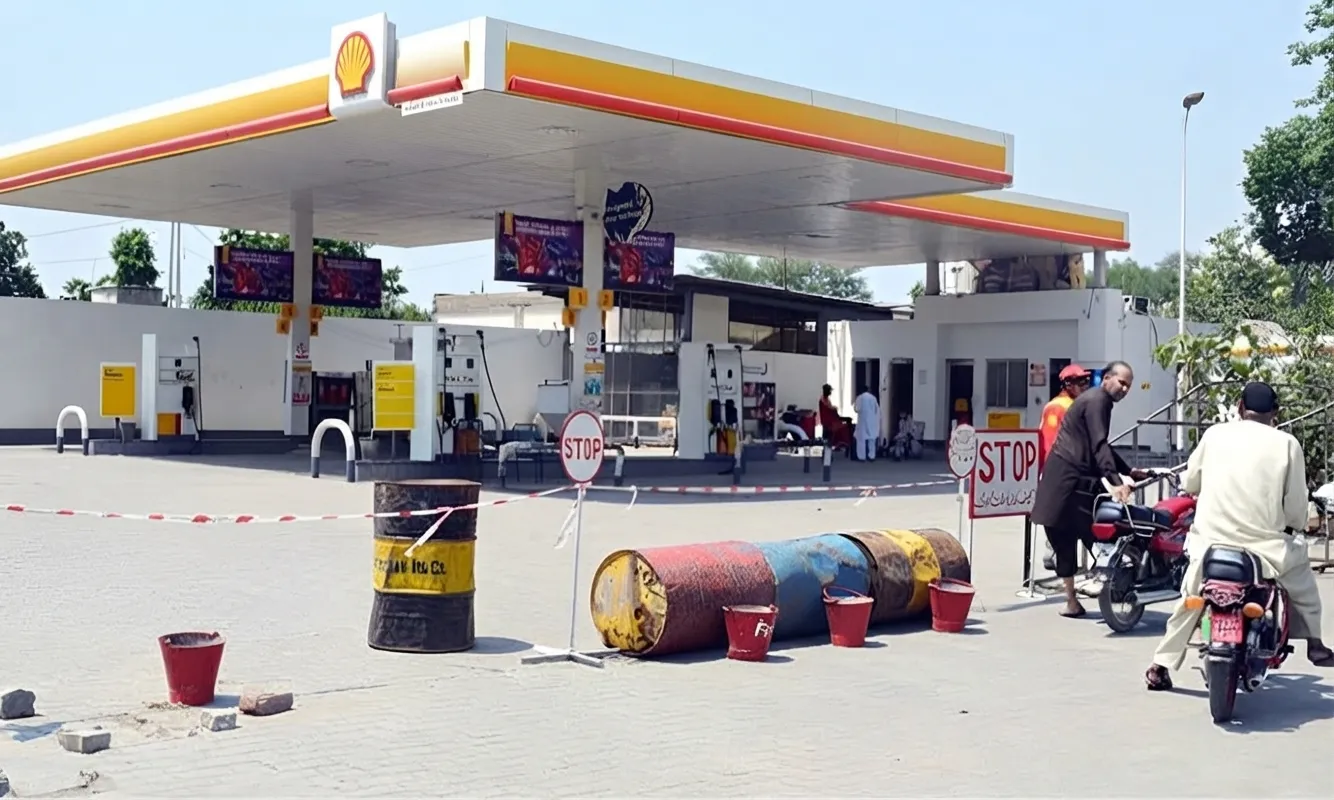
Authorities in Pakistan have reportedly taken nationwide action against illegal and unauthorised fuel sales, with around 2,500 petrol pumps shut down as part of an ongoing crackdown.
The action is aimed at bringing greater discipline to the petroleum sector and ensuring that fuel businesses operate in accordance with applicable legal and regulatory requirements.
Crackdown Targets Unauthorised Fuel Operations
Illegal fuel sales have remained a concern for authorities because unauthorised businesses may operate without meeting the safety, licensing and regulatory standards required for legitimate petrol stations.
The reported shutdowns represent a major enforcement effort targeting outlets believed to be operating outside the approved framework.
Authorities are expected to continue monitoring fuel businesses and take action against outlets that fail to meet the required standards.
Safety Concerns
One of the major concerns surrounding illegal fuel operations is public safety.
Petroleum products are highly flammable and require proper storage, handling and dispensing facilities. Petrol stations operating without appropriate safety arrangements can potentially create risks for workers, customers and nearby communities.
Strengthening oversight can therefore help ensure that fuel outlets maintain appropriate safety measures and operate under regulated conditions.
Impact on Legitimate Businesses
Unauthorised fuel sales can also create challenges for legitimate petrol pump operators.
Licensed businesses are required to comply with regulatory requirements, taxation rules and safety standards. Operators who avoid these obligations may have lower operating costs, potentially creating unfair competition for businesses that follow the rules.
The crackdown could therefore help create a more level playing field within the fuel retail market.
Potential Impact on Government Revenue
Illegal fuel activity can also affect government revenue.
Fuel businesses operating outside the regulatory system may avoid certain taxes, fees or other financial obligations. Increased enforcement could help authorities identify unauthorised operations and reduce potential revenue leakages.
A more transparent fuel market can also make it easier for regulators to monitor the movement and sale of petroleum products.
Strengthening Petroleum-Sector Regulation
The reported action highlights the government's focus on improving oversight of Pakistan's petroleum sector.
Effective regulation requires authorities to monitor petrol stations, verify licences, inspect facilities and take action when businesses fail to meet established requirements.
The closure of thousands of outlets demonstrates the scale of the enforcement challenge and the importance of continued monitoring.
What Happens Next?
The nationwide crackdown is expected to continue as authorities review fuel businesses and identify outlets involved in unauthorised activities.
Petrol stations that comply with legal and safety requirements can continue their operations, while businesses found violating regulations may face further enforcement measures.
Authorities may also need to ensure that enforcement remains consistent across different regions so that both consumers and legitimate businesses benefit from a properly regulated market.
Impact on Consumers
For consumers, stronger regulation could provide greater confidence that fuel is being sold through authorised and properly monitored outlets.
However, any large-scale closure of petrol pumps could temporarily affect fuel availability in certain areas if alternative authorised outlets are not readily accessible.
Maintaining a balance between strict enforcement and uninterrupted fuel availability will therefore remain important.
A Move Toward a More Regulated Fuel Market
The reported closure of around 2,500 petrol pumps marks a significant step in efforts to curb illegal fuel activities in Pakistan.
Beyond shutting down unauthorised outlets, the effectiveness of the crackdown will depend on continued inspections, transparent enforcement and consistent application of petroleum-sector regulations.
If sustained, the initiative could contribute to a safer and more transparent fuel market while protecting legitimate businesses and reducing potential losses in government revenue.
Disclaimer: This article is for informational purposes only and is based on publicly available reports. Figures and enforcement details may change as authorities release further information.