India and the United States have finalized an agreement for the procurement of Javelin anti-tank guided missile systems, marking another step in the growing defence relationship between New Delhi and Washington. The Indian Army signed a Letter of Offer and Acceptance under the US Foreign Military Sales (FMS) process. (Reuters)
The exact number of systems covered by the finalized agreement has not been publicly disclosed. However, the US had previously approved a possible $45.7 million Javelin package for India, which included 100 FGM-148 Javelin rounds, one fly-to-buy missile and 25 lightweight command launch units, along with training, logistics and support equipment. (Defense Security Cooperation Agency)
What Is the Javelin System?
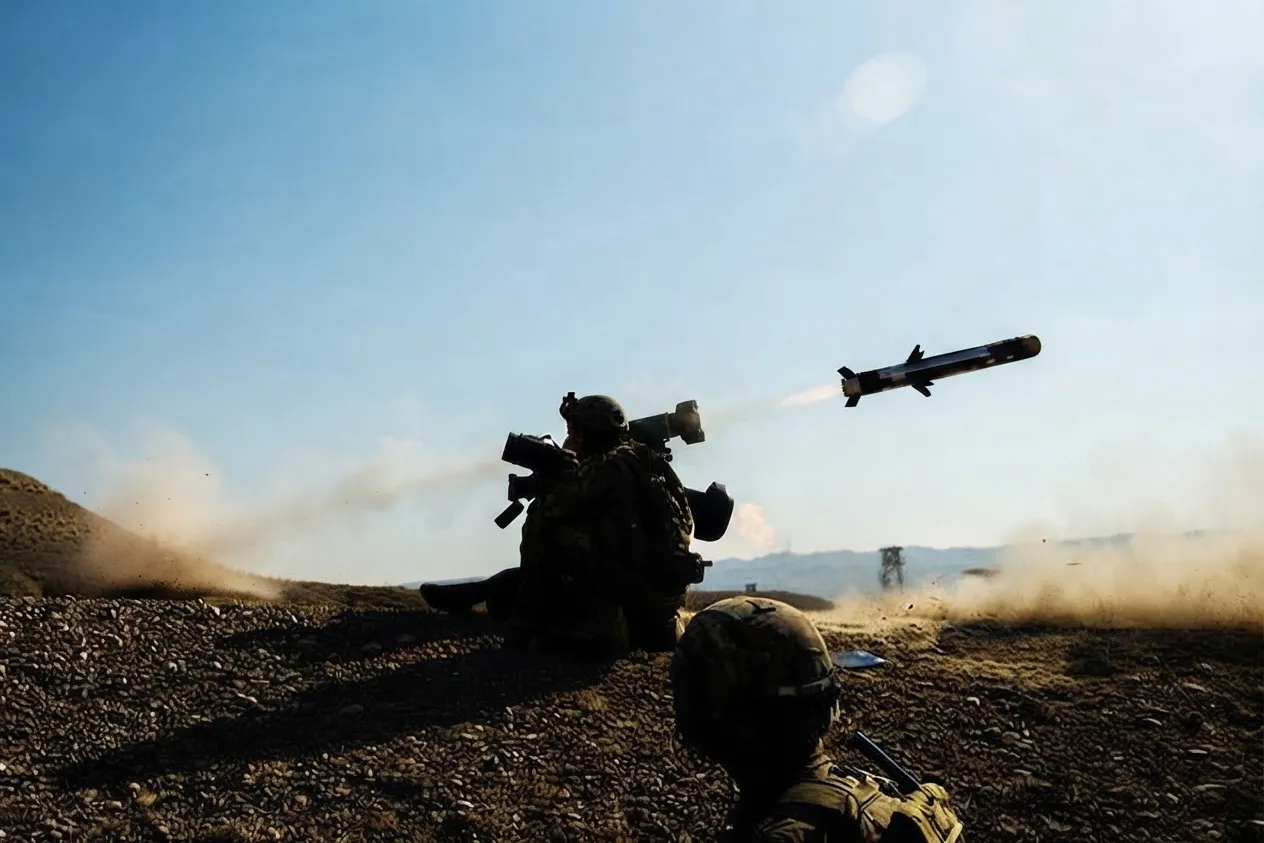
The Javelin is a man-portable, medium-range, fire-and-forget anti-tank weapon designed primarily to engage armoured vehicles. It is produced by the Javelin Joint Venture between RTX and Lockheed Martin.
One of its key features is its fire-and-forget capability, allowing the operator to launch the missile and then move to another position rather than continuously guiding it toward the target. The system can also be used in different engagement modes against suitable targets. (Congress.gov)
The weapon has been used by several countries and has received significant attention because of its battlefield use in conflicts including the Russia-Ukraine war. (Indian Express)
Why India Is Acquiring Javelins
The acquisition forms part of India's wider effort to modernize its armed forces and strengthen anti-armour capabilities.
For the Indian Army, adding another modern anti-tank system can provide infantry and other frontline units with additional options against armoured threats. The procurement also reflects India's continued shift toward acquiring advanced defence technologies from multiple international partners.
The agreement comes after years of discussions surrounding India's potential acquisition of the Javelin system. The US State Department had formally approved the possible sale in November 2025. (Defense Security Cooperation Agency)
A Growing US-India Defence Partnership
Beyond the missiles themselves, the agreement carries wider significance for US-India defence relations.
The US Mission in India said the agreement could create opportunities for future cooperation between the two countries' defence industries, including potential discussions around co-production. US Ambassador to India Sergio Gor described the development as another indication of a deeper and more capable defence partnership. (Indian Express)
This is consistent with the broader expansion of military cooperation between Washington and New Delhi in recent years, as both countries have increased collaboration in defence technology, equipment and security.
Regional Significance
The deal is also likely to attract attention across South Asia because of the long-standing security tensions between India and Pakistan.
India's acquisition of additional anti-armour capabilities does not by itself indicate a change in regional military policy, but developments involving major defence procurements are closely watched by neighbouring countries.
The US government's original notification stated that the proposed sale was intended to strengthen India's ability to address current and future threats and improve its homeland defence, while assessing that the sale would not alter the basic military balance in the region. (Defense Security Cooperation Agency)
Potential for Defence Manufacturing Cooperation
Another important aspect of the agreement is the possibility of deeper industrial cooperation.
The US Mission has indicated that the agreement could open the door to future collaboration between American and Indian defence industries. This could potentially expand cooperation beyond simply purchasing completed weapon systems and toward areas such as manufacturing, maintenance and defence-industry partnerships. (Indian Express)
For India, greater involvement in defence manufacturing could support its longer-term objective of developing domestic production capabilities and reducing dependence on imported equipment.
What the Deal Means
The Javelin agreement represents more than a single weapons purchase. It combines three broader developments:
- Military modernisation: India is adding another advanced anti-armour capability.
- US-India defence cooperation: The agreement further strengthens military ties between the two countries.
- Defence-industrial collaboration: The deal could create opportunities for future cooperation and potential co-production.
The final quantity and financial details of the current agreement have not been fully disclosed publicly, so figures associated with the earlier $45.7 million proposed package should not automatically be treated as the value of the finalized agreement. (Reuters)
Conclusion
India's finalized Javelin procurement marks another significant development in its military modernization programme and adds momentum to its expanding defence partnership with the United States.
While the immediate focus is on strengthening India's anti-armour capabilities, the longer-term significance could lie in the possibility of deeper defence-industry cooperation between the two countries.
The development will also remain closely watched in South Asia, where changes in military capabilities can have wider strategic implications.
Disclaimer: This article is for informational purposes only and is based on publicly available reports. It does not constitute military, political or security advice. Figures and procurement details may change as additional official information becomes available.