Sindh’s Grade-15 revenue officers are reportedly showing reluctance toward proposed promotions to Grade-17, raising questions about why some government employees may not be willing to move into higher posts despite the expected increase in status and salary.
Promotions Bring More Than Higher Pay
A promotion from Grade-15 to Grade-17 would generally represent a significant step forward in a government employee’s career. Along with improved pay and official status, however, higher-grade positions often come with greater administrative responsibilities, increased workload and additional accountability.
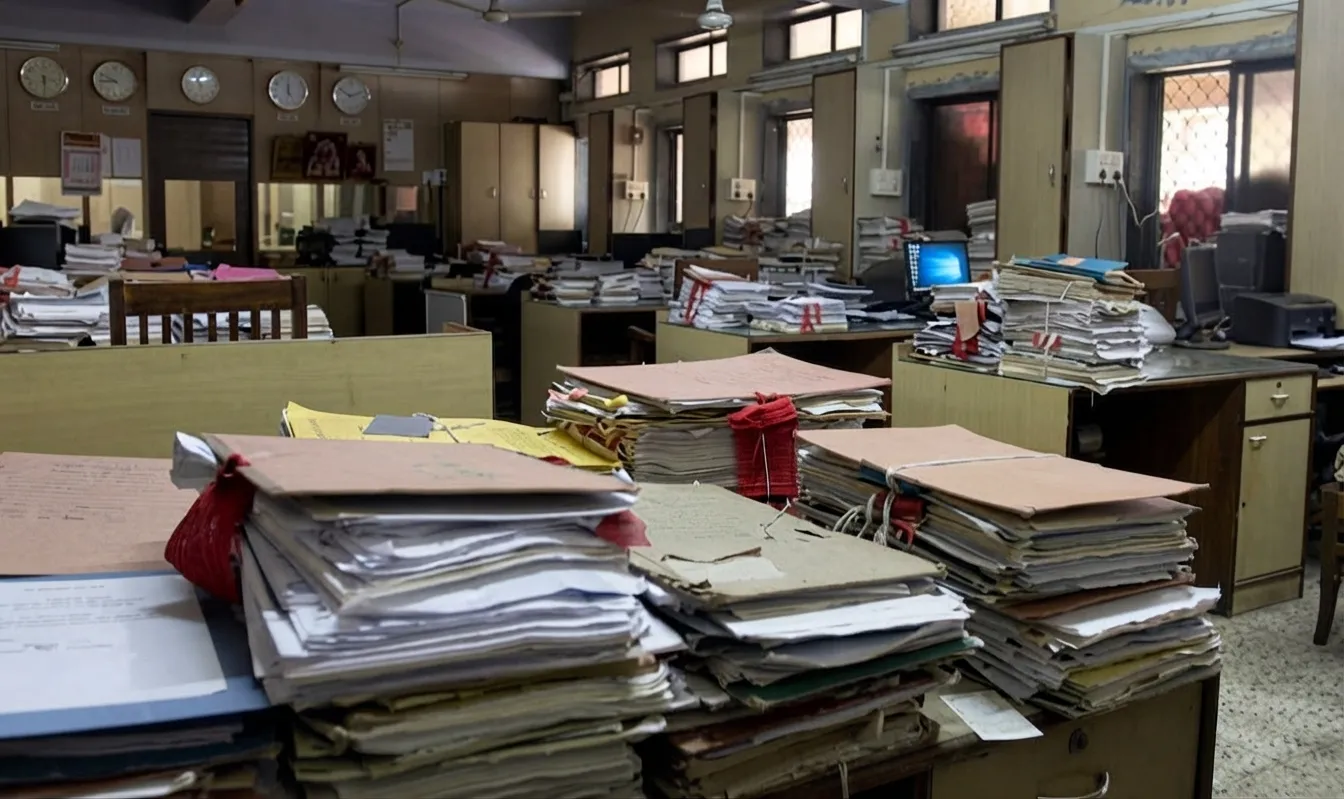
For revenue officers, these responsibilities can involve dealing with land and property matters, maintaining official records, handling public complaints and coordinating with different government departments.
Why Are Officers Reluctant?
While the exact reasons behind the reported reluctance have not been fully established, several factors could influence an officer’s decision.
Possible concerns may include transfers to other districts, increased workload, greater administrative pressure, changes in responsibilities and service conditions. Higher positions can also involve increased accountability and expectations from both senior officials and the public.
It is therefore important to distinguish between confirmed reasons and possible explanations. Unless authorities or the affected officers officially explain their position, the underlying reasons for rejecting or delaying promotions remain subject to clarification.
A Challenge for the Government
The reported situation presents an administrative challenge for the Sindh government. Promotions are normally intended to improve career progression, strengthen institutional capacity and place experienced employees in positions with greater responsibility.
If qualified officers are hesitant to accept promotions, authorities may need to examine whether the proposed postings and service conditions are creating concerns among employees.
Understanding these concerns could help the government make the promotion process more effective while ensuring that experienced personnel are willing to take on higher responsibilities.
Balancing Career Growth and Responsibilities
The development highlights a broader issue within public-sector employment: career advancement does not always depend solely on salary or official rank.
Employees may also consider job location, workload, family circumstances, administrative responsibilities and the level of pressure associated with a new position.
For the government, addressing legitimate concerns while maintaining transparent promotion policies could help ensure that higher-grade positions are filled by experienced and capable officers.
What Happens Next?
The Sindh government may need to engage with the affected revenue officers to understand the reasons behind their reluctance and determine whether changes to postings, responsibilities or other service conditions are necessary.
The matter also highlights the importance of making government promotions both attractive and practically manageable for employees moving into senior positions.
For now, the exact reasons for the officers’ reported hesitation require further clarification from the relevant authorities and employee representatives.
Disclaimer: This article is for informational purposes only and is based on publicly available reports. The reasons discussed as possible factors should not be treated as confirmed unless officially established.