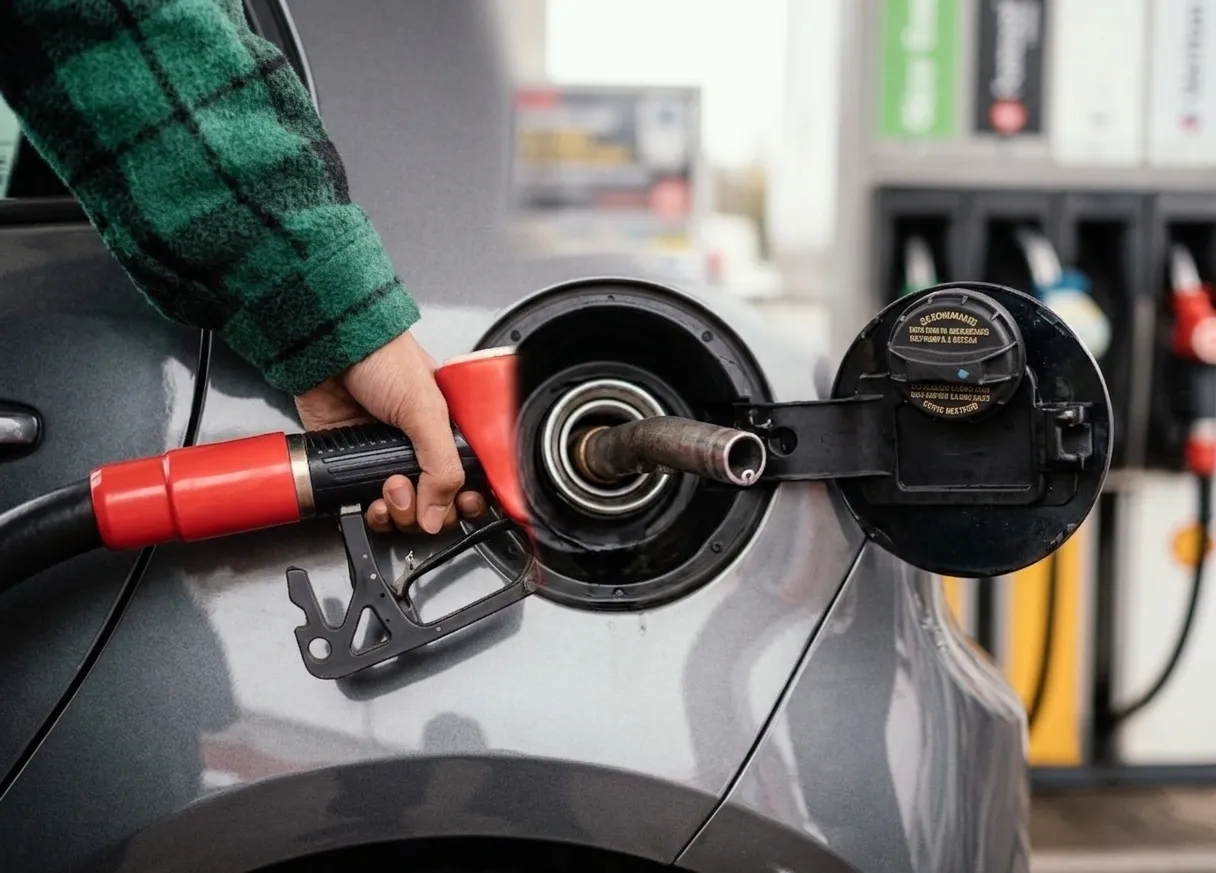
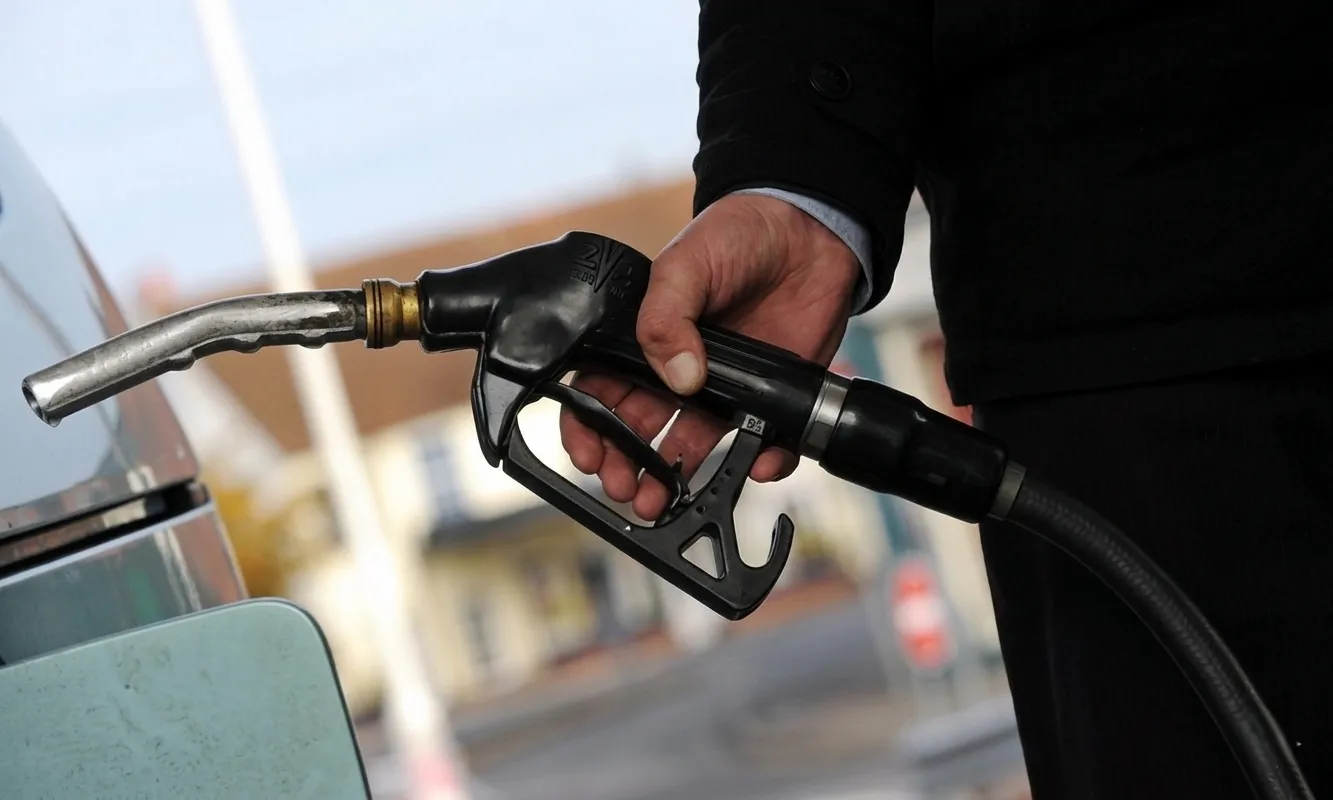
Pakistan's fuel prices include a significant burden of taxes, levies, and margins, with consumers paying an additional Rs. 130.75 per litre on petrol through various charges — figures that highlight just how much of the price at the pump goes beyond the actual cost of the fuel itself.
Breaking Down the Petrol Price
According to the figures presented, petrol prices in Pakistan include a combined Rs. 130.75 per litre in taxes, levies, and margins. This represents a substantial addition on top of the underlying base cost of the fuel, meaning a meaningful portion of what consumers pay at the pump reflects government-imposed charges and distribution margins rather than the raw cost of the petroleum product itself.
High-Speed Diesel (HSD) Breakdown
For high-speed diesel (HSD), the figures show:
- Base cost: Rs. 245.82 per litre
- Combined levies, taxes, and margins: Rs. 122.47 per litre
This means that for diesel specifically, the additional charges represent close to half again on top of the base cost — a substantial markup once these various charges are factored in.
What Typically Makes Up These Charges
While the specific breakdown of individual components wasn't detailed in the summarized figures, fuel pricing in Pakistan typically includes several distinct categories under the broader "taxes, levies, and margins" heading:
1. Petroleum levy A government-imposed levy charged per litre, which serves as a significant source of government revenue and has been subject to periodic rate changes.
2. Sales tax and other government taxes Additional tax components applied to the base price of fuel.
3. Distribution and dealer margins Margins allocated to oil marketing companies (OMCs) and petroleum dealers, covering their operational costs and profit margins for storing, transporting, and selling fuel to consumers.
Why This Breakdown Matters
1. Transparency on the true cost structure of fuel Breaking down fuel prices into base cost versus taxes, levies, and margins offers consumers a clearer picture of exactly how much of what they pay at the pump reflects the actual product cost versus government charges and distribution margins.
2. Highlighting the government revenue dimension of fuel pricing Given the substantial size of these combined charges — over Rs. 130 per litre on petrol — fuel taxation clearly represents a significant and direct source of government revenue, with real, tangible implications for how much revenue the government collects through everyday fuel consumption.
3. Context for understanding fuel price changes When fuel prices rise or fall, changes can stem from shifts in the underlying base cost (often tied to international oil prices and currency exchange rates) or from changes to the levy, tax, and margin components specifically. Understanding this breakdown helps clarify which factor is driving a given price change.
4. Relevance to household and business budgeting Given how central fuel costs are to transportation, logistics, and broader cost-of-living considerations in Pakistan, a clear understanding of how much of the fuel price reflects taxes and levies — as opposed to the base product cost — is directly relevant to household and business financial planning.
The Broader Context: Fuel Pricing and Government Revenue in Pakistan
Fuel-related levies and taxes have historically represented a significant and relatively stable source of revenue for the Pakistani government, in part because fuel consumption tends to remain relatively consistent even amid broader economic fluctuations, compared to some other tax bases. This structural reliance on fuel-related revenue has, at various points, been a factor in decisions around adjusting petroleum levy rates, particularly during periods when the government has sought to increase overall revenue collection.
Why This Data Is Worth Understanding
1. Distinguishing base cost from policy-driven charges For consumers and analysts alike, distinguishing between the base cost of fuel (largely driven by international market factors) and the taxes, levies, and margins (largely driven by domestic policy decisions) provides a clearer basis for understanding which portion of fuel pricing is subject to government policy influence versus global market conditions.
2. A meaningful share of the total price With Rs. 130.75 per litre on petrol and Rs. 122.47 per litre on diesel attributed to combined taxes, levies, and margins, these figures represent a genuinely substantial share of the total price paid by consumers — underscoring how significant this component is within Pakistan's overall fuel pricing structure.
Conclusion
The breakdown of Pakistan's fuel prices — showing Rs. 130.75 per litre in taxes, levies, and margins on petrol, and a combined Rs. 122.47 per litre added to diesel's Rs. 245.82 base cost — highlights the substantial additional costs built into fuel pricing beyond the raw cost of the product itself. These figures offer useful context for understanding both the government revenue dimension of fuel taxation and the broader cost structure consumers face at the pump in Pakistan.
Disclaimer: This post is for informational purposes only and is based on publicly available reports. The image referenced in the original social media post is AI generated and is for reference only. This article does not constitute financial advice.