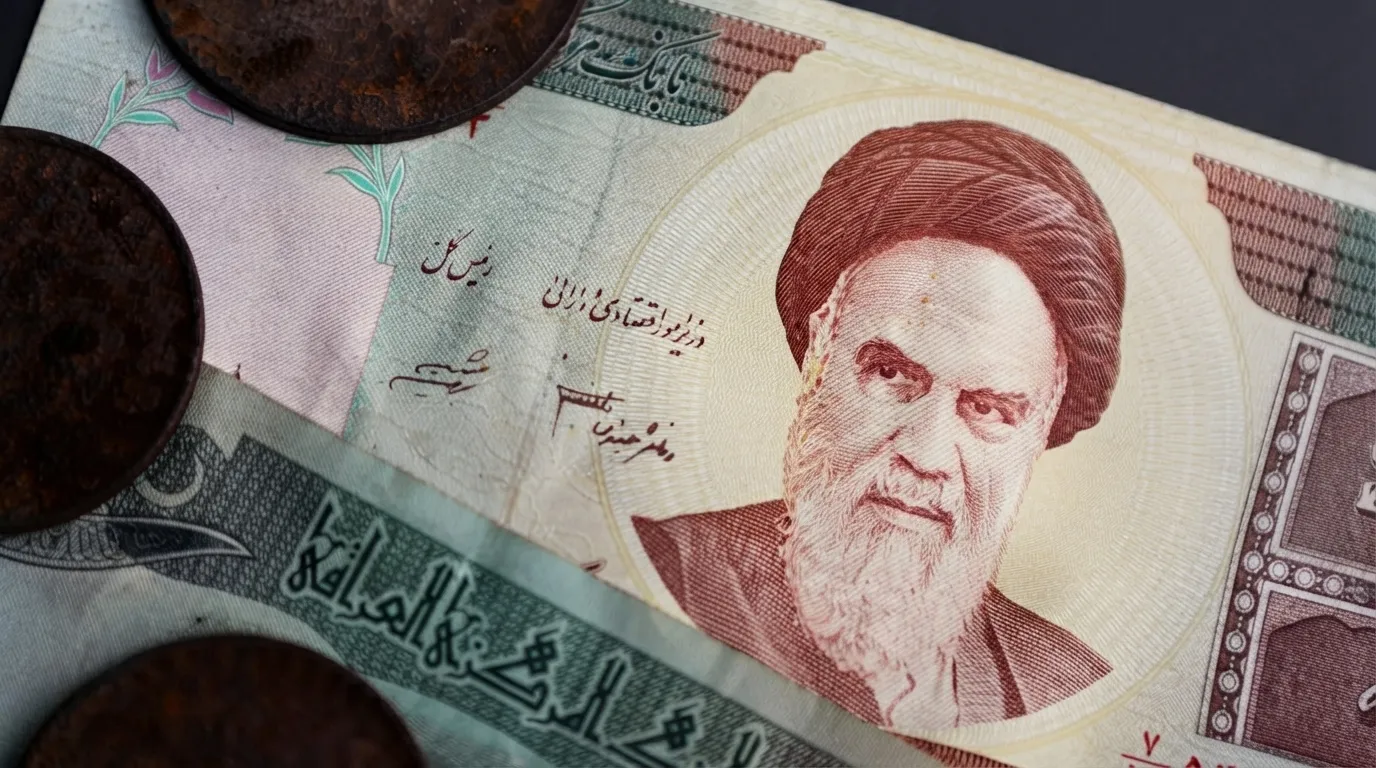
Iran’s currency has reportedly fallen to a historic low, with the US dollar surpassing the 2 million Iranian rial mark in the open market.
The sharp depreciation represents another major challenge for Iran’s economy as the country faces pressure from sanctions concerns, foreign-exchange shortages, uncertainty surrounding oil exports and continuing geopolitical tensions.
Rial Weakens Further Against the Dollar
The Iranian rial reportedly started the week at approximately 1.865 million rials per US dollar before losing further value.
A weaker currency means that more rials are required to purchase foreign currencies, particularly the US dollar. This can make imported products and raw materials significantly more expensive.
For an economy that relies on imports for various goods and industrial inputs, continued currency depreciation can quickly translate into higher domestic prices.
What Is Driving the Currency Decline?
Several factors are reportedly contributing to the latest pressure on the rial.
Rising Demand for Foreign Currency
In periods of economic uncertainty, individuals and businesses often seek foreign currencies as a way to protect their savings or secure funds for imports.
Higher demand for dollars and other foreign currencies can put additional pressure on a country's domestic currency.
Concerns Over Potential US Sanctions
The possibility of additional US sanctions has also contributed to uncertainty surrounding Iran's economy.
Restrictions affecting trade, financial transactions and oil exports could limit Iran's access to international markets and foreign exchange, making it more difficult to support the rial.
Stalled Diplomatic Efforts
Uncertainty surrounding diplomatic negotiations has added another layer of pressure.
Expectations about sanctions relief, international trade and access to foreign financial markets can influence currency markets. When those expectations weaken, demand for foreign currency may increase.
Oil Exports Remain Important
Oil exports are particularly important to Iran because they provide a major source of foreign-currency earnings.
Any uncertainty surrounding the country's ability to sell oil internationally or receive payments can affect the supply of foreign exchange available to the economy.
Reduced access to foreign currency can place additional downward pressure on the rial.
Strait of Hormuz Tensions Add to Uncertainty
Growing tensions around the Strait of Hormuz have also increased concerns about regional economic stability.
The strategic waterway is an important route for global energy shipments. Any disruption or heightened geopolitical risk in the region can affect oil markets, shipping costs and investor confidence.
For Iran, developments around the Strait are particularly significant because of the country's geographical position and its role in regional energy markets.
Impact on Ordinary Consumers
Currency depreciation is not simply a financial-market issue. A weaker rial can directly affect everyday life.
Imported products become more expensive when the domestic currency loses value. Businesses may also face higher costs for imported machinery, raw materials and other inputs.
These increased costs can eventually be passed on to consumers.
Essential Goods Under Pressure
The latest depreciation has raised concerns over the prices of:
- Food
- Medicines
- Imported consumer products
- Industrial equipment
- Raw materials
- Other essential goods
Higher prices can further reduce household purchasing power, particularly for families whose incomes do not increase at the same pace as inflation.
Broader Economic Implications
A sustained currency decline can create a difficult cycle for an economy.
Higher import costs can contribute to inflation, while inflation can further weaken consumer purchasing power. Businesses may also struggle to plan investments when exchange-rate conditions are highly unpredictable.
At the same time, exporters can potentially benefit from a weaker domestic currency because their products may become cheaper in foreign-currency terms. However, this advantage depends on factors such as export capacity, access to international markets and the cost of imported inputs.
What Happens Next?
The future direction of the Iranian rial will depend on several factors, including developments surrounding sanctions, diplomacy, oil exports, foreign-exchange availability and regional security.
If external economic pressure increases, the currency could remain under significant strain. Conversely, improvements in diplomatic relations, greater access to foreign exchange or stronger oil-export revenues could help ease some of the pressure.
For now, the rial's reported fall beyond 2 million per US dollar represents a significant moment for Iran's economy and highlights the growing challenges facing households, businesses and policymakers.
Conclusion
Iran’s currency crisis is becoming increasingly important beyond the foreign-exchange market. The sharp depreciation of the rial has potential consequences for inflation, household purchasing power, imports, business costs and overall economic stability.
As Iran navigates sanctions concerns, diplomatic uncertainty, oil-export challenges and regional tensions, the performance of its currency will remain an important indicator of the country's broader economic health.
Disclaimer: This article is for informational purposes only and is based on publicly available reports at the time of publication. Currency-market figures can vary by source and market. The accompanying image is AI-generated and used for reference purposes only.