Pakistan’s government has set an ambitious target of collecting Rs. 1.676 trillion through the petroleum levy during the fiscal year 2026-27, according to budget estimates.
The petroleum levy remains one of the government’s significant revenue sources and is imposed on petroleum products including petrol and diesel. The planned collection reflects the government’s broader efforts to strengthen revenues and manage its fiscal requirements.
What Is the Petroleum Levy?
The petroleum levy is a charge imposed by the government on petroleum products. Because petrol and diesel are widely used across Pakistan’s transport, agriculture, logistics and industrial sectors, the levy represents an important component of government revenue.
The amount collected can vary depending on factors such as fuel consumption, petroleum prices and changes in government policy.
Rs. 1.676 Trillion Collection Target
For FY2026-27, the government has estimated petroleum levy revenue of Rs. 1.676 trillion.
The target demonstrates the continued importance of petroleum-related taxation to Pakistan’s public finances. Revenue generated through the levy can contribute to the government’s overall fiscal resources and help meet expenditure and budgetary requirements.
However, the final amount collected may differ from the target depending on developments in the petroleum market and domestic fuel consumption.
Impact on Petrol and Diesel Prices
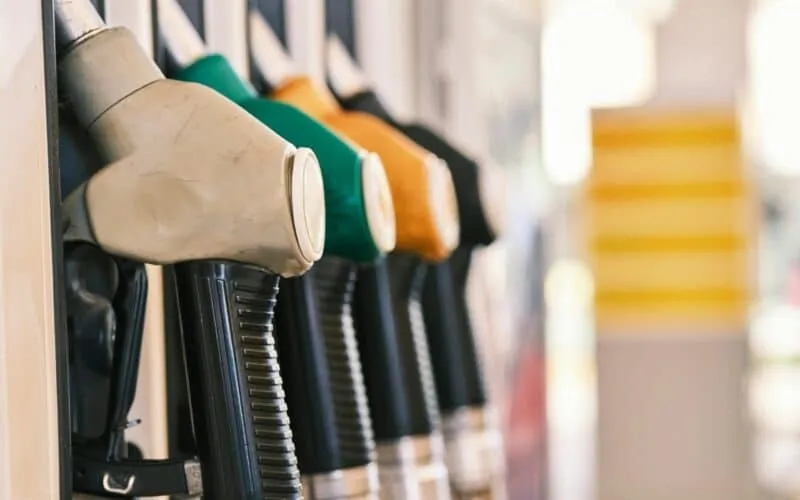
The petroleum levy is also closely linked to the prices consumers pay for fuel.
When a levy is included in the price of petroleum products, consumers ultimately bear part of the cost when purchasing petrol or diesel. As a result, changes in petroleum taxation can affect household transportation expenses as well as the operating costs of businesses.
For transporters and logistics companies, higher fuel costs can increase the cost of moving goods and passengers. These additional expenses can potentially filter through to the prices of goods and services.
Impact on Businesses and Agriculture
Pakistan’s economy relies heavily on petroleum products.
Transport companies require diesel to operate trucks and buses, while farmers depend on fuel for agricultural machinery, tube wells and transportation. Industries and commercial businesses also face transportation and logistics expenses connected to fuel prices.
Consequently, changes in petroleum taxation can have an impact beyond the fuel station, influencing broader economic activity.
Government Revenue vs Consumer Costs
The petroleum levy presents an important policy balance for the government.
On one hand, petroleum taxation provides substantial revenue that can help the government meet its fiscal requirements. On the other hand, higher charges on petroleum products can increase costs for consumers and businesses.
Finding a balance between revenue generation and affordability remains an important challenge for policymakers.
What Could Affect the Final Collection?
Although the government has established a Rs. 1.676 trillion target, several factors could influence actual petroleum levy collections during FY2026-27.
These include:
- Changes in international oil prices
- Domestic petrol and diesel consumption
- Government decisions regarding petroleum taxation
- Exchange-rate movements
- Changes in transportation demand
- Domestic economic activity
- Adjustments to fuel pricing policies
If fuel consumption rises, levy collections could increase, while weaker consumption could have the opposite effect.
Why This Matters for Pakistan
The petroleum levy is more than simply another government charge. It sits at the intersection of public revenue, fuel prices, inflation, transportation and economic activity.
For the government, the Rs. 1.676 trillion target represents an important component of its revenue strategy. For consumers and businesses, however, petroleum taxation remains closely connected to the cost of transportation and everyday economic activity.
As Pakistan moves through FY2026-27, developments in petroleum prices, consumption and taxation will therefore remain important indicators for both public finances and consumers.
Conclusion
Pakistan’s Rs. 1.676 trillion petroleum levy target for FY2026-27 highlights the continuing role of petroleum taxation in the country’s fiscal framework.
While the levy provides significant revenue for the government, its impact on petrol and diesel prices means that the policy also has consequences for households, transporters, farmers and businesses.
The final collection will depend on fuel consumption, petroleum prices and policy decisions throughout the fiscal year.
Disclaimer: This article is for informational purposes only and is based on publicly available reports and budget estimates. Figures and policies may be subject to revision by the relevant authorities. The image is AI generated and is used for reference purposes only.