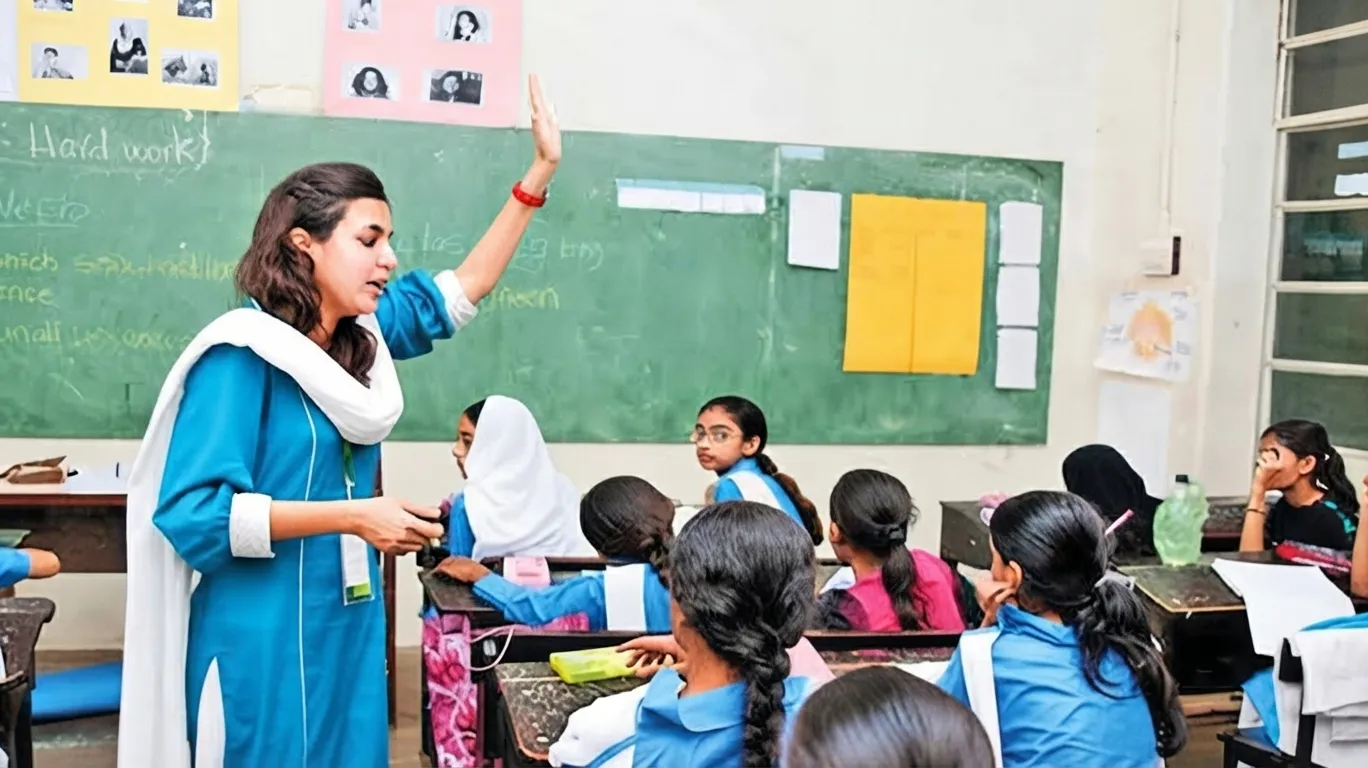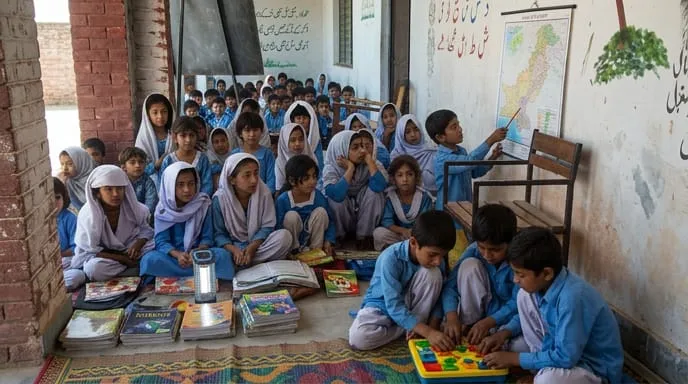
Prime Minister Shehbaz Sharif has highlighted the role of Daanish Schools in providing quality education to children from underprivileged backgrounds, describing the initiative as an effort to offer educational opportunities comparable to those available at elite institutions.
The initiative reflects a broader objective of reducing disparities in access to quality education and ensuring that talented children are not held back by their family’s financial circumstances.
Providing Quality Education to Underprivileged Students
Education can play a major role in improving social mobility and creating opportunities for young people. However, access to high-quality educational institutions can often depend on a family’s financial resources and location.
Daanish Schools were established with the objective of addressing this gap by providing deserving students from less-privileged families with access to quality educational facilities.
Prime Minister Shehbaz Sharif emphasized that children from disadvantaged backgrounds should also have opportunities comparable to those available to students attending prestigious institutions.
Bridging the Education Gap
Pakistan’s education system includes significant differences in the resources and opportunities available to students from different socioeconomic backgrounds.
Some students have access to highly equipped schools, experienced teachers, extracurricular activities and broader learning opportunities, while others face limitations because of financial and social challenges.
The Daanish Schools concept seeks to reduce some of these disparities by giving talented students from underprivileged families access to a structured educational environment.
Comparing Opportunities With Elite Institutions
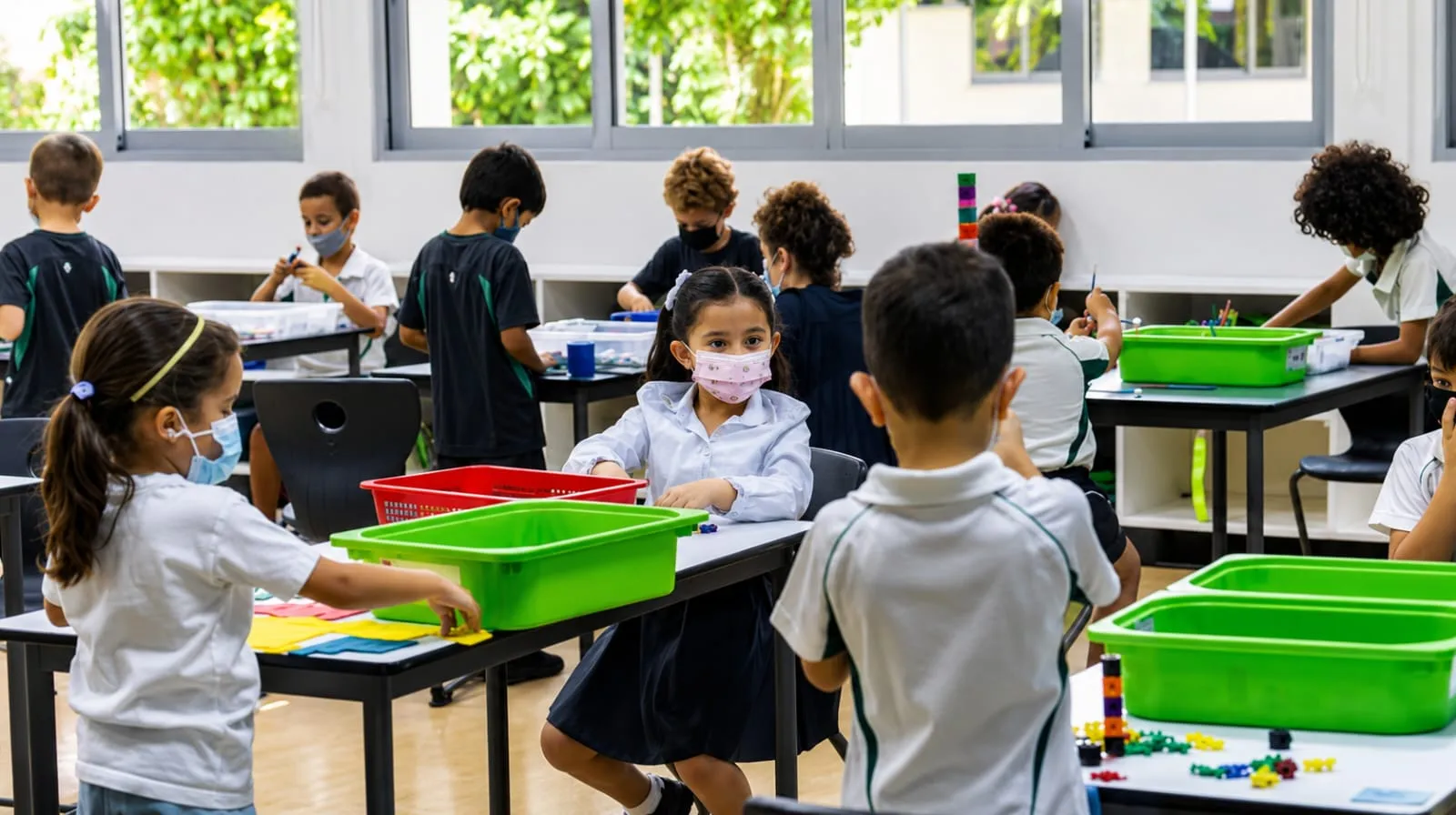
In his remarks, Prime Minister Shehbaz Sharif referred to Aitchison College as an example of the standard of education that Daanish Schools aim to make accessible to students from less-privileged backgrounds.
The comparison highlights the initiative’s focus on providing not simply basic schooling, but an educational environment capable of developing students academically and personally.
The broader goal is to ensure that a child’s potential is not determined solely by their family’s financial circumstances.
Importance of Equal Educational Opportunities
Equal access to quality education can have long-term benefits for individuals and society.
When talented students receive the right educational support, they can develop skills that allow them to pursue higher education, professional careers and leadership opportunities.
Providing these opportunities to students from disadvantaged backgrounds can also help create a more inclusive society in which academic ability and dedication have a greater role in determining future success.
Supporting Talented Children
A major focus of initiatives such as Daanish Schools is the identification and development of talented students who may otherwise have limited access to high-quality education.
For such students, access to better learning environments can make a significant difference in their academic journey.
Beyond classroom education, a strong school environment can help students develop confidence, discipline, communication skills and a broader understanding of the world around them.
Potential Long-Term Impact
The long-term success of education initiatives can be measured not only by examination results but also by the opportunities students gain after completing their education.
Students who receive quality schooling may have better opportunities to pursue university education, professional qualifications and careers in fields requiring specialized skills.
If effectively implemented and sustained, initiatives focused on educational inclusion can contribute to the development of Pakistan’s human capital.
Education as an Investment in Pakistan’s Future
Pakistan has a large young population, making education an important component of the country’s future development.
Improving educational opportunities can help prepare young people for a changing economy and increasingly competitive job market.
Quality schooling can also support the development of skills in areas such as technology, science, business, healthcare and public service.
For this reason, expanding access to quality education remains an important national priority.
The Bigger Picture
The Daanish Schools initiative represents an approach centered on providing deserving students with educational opportunities regardless of their economic background.
The comparison with elite institutions underscores the importance of reducing the divide between different segments of Pakistan’s education system.
For the initiative to have a lasting impact, continued attention to teaching quality, school facilities, student support and academic standards will remain important.
Conclusion
Prime Minister Shehbaz Sharif’s remarks highlight the intended purpose of Daanish Schools: to give talented children from underprivileged families access to quality education and opportunities that may otherwise be difficult to obtain.
By seeking to bridge the education gap, the initiative aims to create a system where financial circumstances do not prevent capable students from reaching their potential.
Greater access to quality education can ultimately benefit not only individual students and their families but also Pakistan’s wider social and economic development.
Disclaimer: This article is for informational purposes only and is based on publicly available reports. Statements regarding educational standards and institutional comparisons reflect the reported remarks and should not be interpreted as an independent assessment of the institutions mentioned. The image used with this article is AI generated and is for reference only.