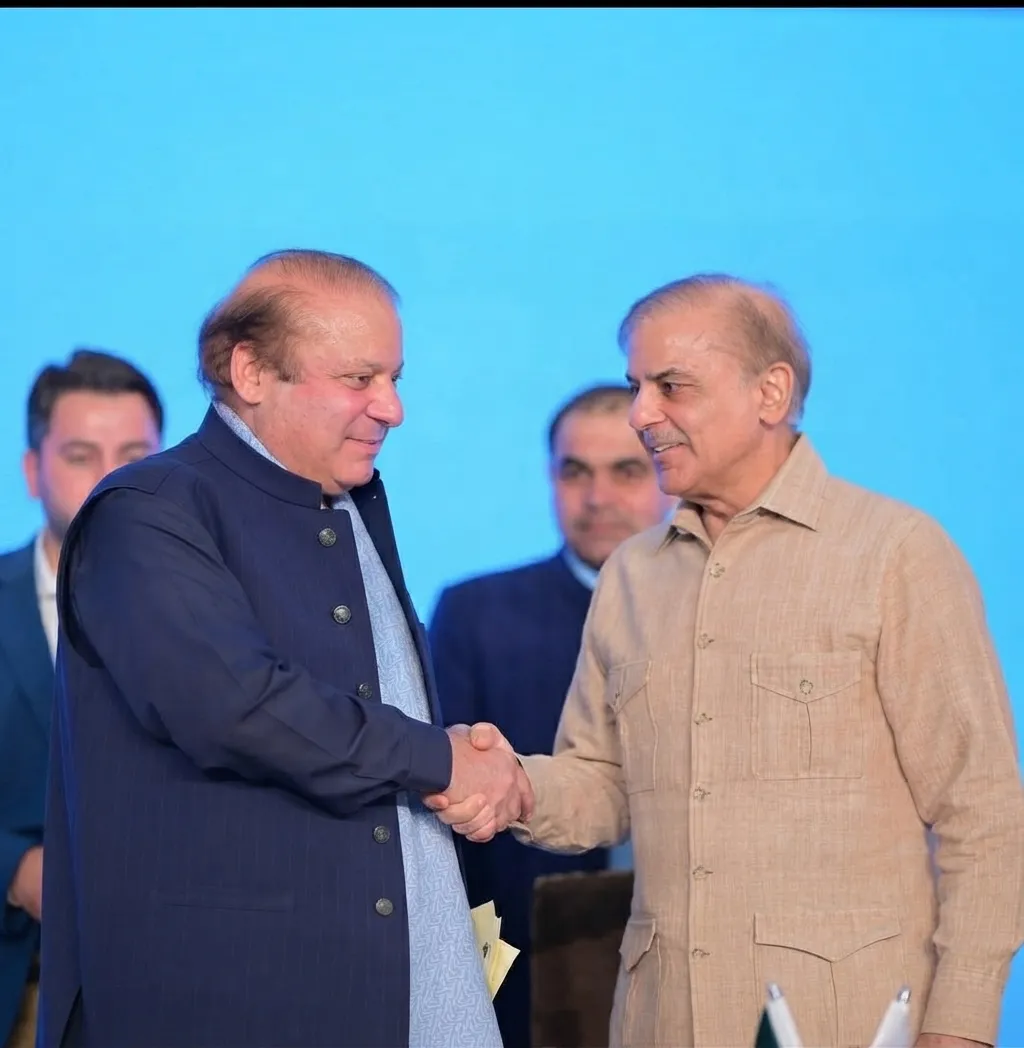
Nawaz Sharif has urged Prime Minister Shehbaz Sharif to provide a helicopter to the Azad Kashmir government, citing the region's mountainous terrain and limited road access as key reasons behind the request.
The Request
According to available reports, Nawaz Sharif raised this request directly with PM Shehbaz Sharif, specifically calling for a helicopter to be made available to the Azad Kashmir government. The core justification behind the request centers on the region's mountainous terrain and limited road access, both of which are well-documented features of Azad Jammu and Kashmir's geography.
Why Terrain and Access Matter in Azad Kashmir
Azad Kashmir is characterized by a largely mountainous and hilly landscape, with many areas — particularly in its more remote districts — connected primarily through winding mountain roads that can be difficult to navigate, especially during adverse weather conditions such as heavy rain, snowfall, or landslides common in the region.
This kind of terrain creates practical governance challenges, including:
1. Slower emergency response times In regions with limited road infrastructure, reaching remote areas during emergencies — whether medical, natural disaster-related, or security-related — can take significantly longer than in areas with more developed road networks.
2. Difficulty maintaining administrative access For government officials needing to travel to and oversee remote areas for administrative, developmental, or oversight purposes, mountainous terrain and limited roads can present ongoing logistical challenges.
3. Vulnerability during natural disasters Mountainous regions are often more susceptible to landslides, flooding, and road blockages during extreme weather, which can cut off access to certain areas entirely for extended periods — making air transport a critical fallback option during such events.
Why a Helicopter Could Help
A dedicated helicopter for the Azad Kashmir government could potentially address several of these terrain-related challenges by offering:
- Faster access to remote or otherwise difficult-to-reach areas, bypassing the limitations of the region's road network entirely
- Improved emergency response capability, particularly relevant during natural disasters or medical emergencies in areas where road access may be compromised or entirely unavailable
- Greater administrative reach, allowing government officials to more easily travel to and oversee remote parts of the region
Why This Request Matters
1. Addressing a longstanding geographic challenge Azad Kashmir's mountainous terrain is a well-established feature of the region, and requests like this reflect ongoing efforts to address the practical governance challenges this geography presents.
2. A specific, targeted infrastructure request Rather than a broad policy proposal, this request is notably specific — asking for a defined resource (a helicopter) to address a clearly identified problem (terrain-related access limitations), making it a relatively concrete and actionable ask.
3. Reflects continued attention to Azad Kashmir's administrative needs This request suggests ongoing attention, at a senior political level, to the practical operational needs of the Azad Kashmir government, particularly around emergency preparedness and administrative reach in a geographically challenging region.
What Could Come Next
Following this request, attention would likely turn to whether the federal government moves to formally allocate a helicopter — or related aviation resources — to the Azad Kashmir government, and what timeline or logistical arrangements might accompany such a decision. As with many such requests, the eventual outcome would depend on budgetary considerations, resource availability, and broader federal government priorities.
Conclusion
Nawaz Sharif's request for PM Shehbaz Sharif to provide a helicopter to the Azad Kashmir government highlights a practical, terrain-driven governance challenge facing the region — one where mountainous geography and limited road access can complicate everything from emergency response to routine administrative oversight. Whether this specific request translates into a concrete resource allocation remains to be seen, but it reflects continued attention to addressing Azad Kashmir's unique logistical and infrastructure needs.
Disclaimer: This post is for informational purposes only and is based on publicly available reports. The image referenced in the original social media post is AI generated and is for reference only.