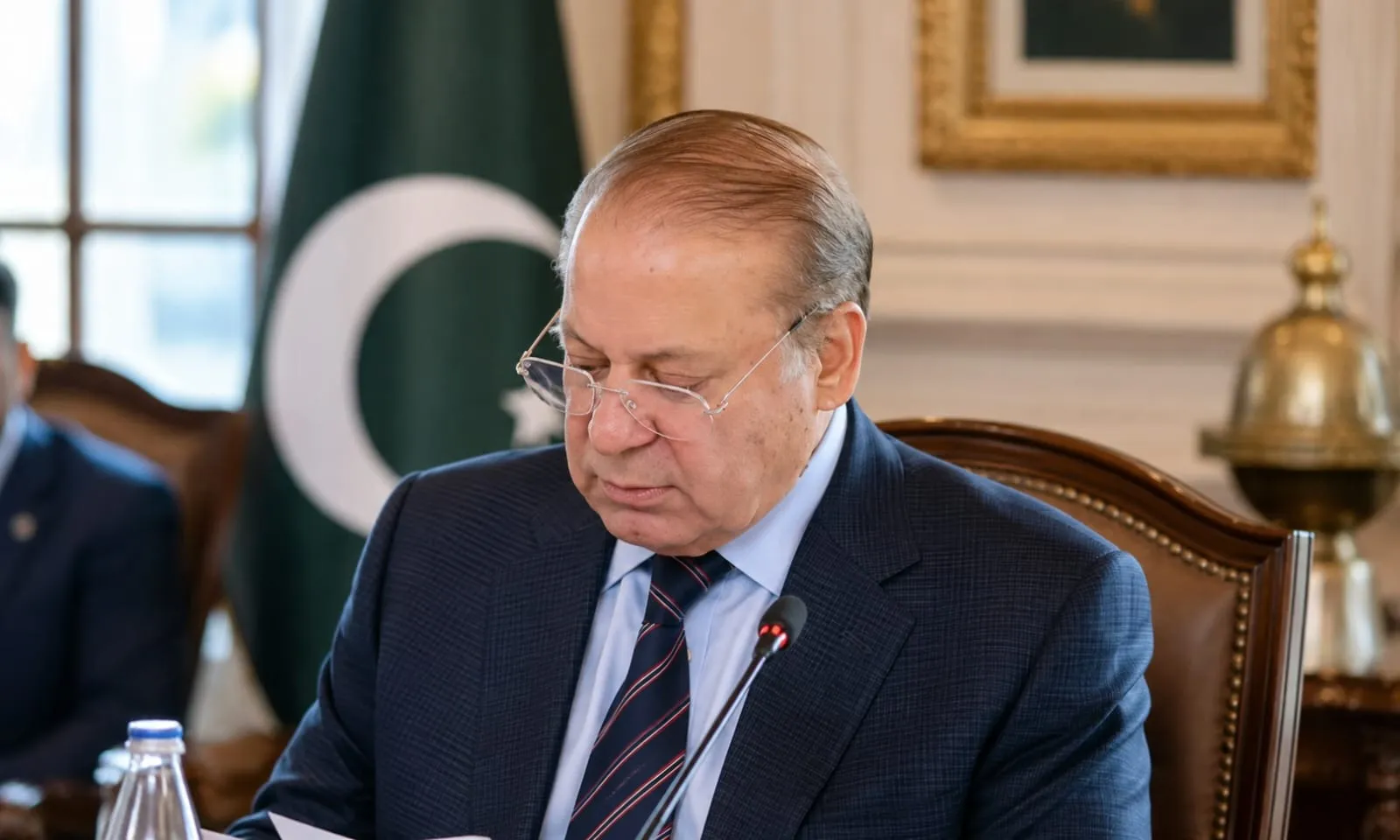
Nawaz Sharif has recalled that the US dollar remained around Rs. 104 during his tenure as prime minister for three to four years, drawing a contrast with the significantly higher value of the dollar against the Pakistani rupee today.
What Was Said
According to available reports, Nawaz Sharif referenced the exchange rate stability he says characterized a multi-year period of his time as prime minister, specifically citing a rate of around Rs. 104 to the US dollar as having held steady for three to four years. He contrasted this with the substantial rise in the dollar's value against the rupee in the present day.
Understanding Pakistan's Exchange Rate Journey
The Pakistani rupee's value against the US dollar has moved considerably over the past decade, shaped by a combination of domestic economic policy, international financial conditions, current account balances, foreign reserve levels, and broader macroeconomic pressures. Exchange rate levels at any given point in time reflect the cumulative effect of these various forces, rather than being determined by any single factor in isolation.
Why Exchange Rate Comparisons Across Time Periods Are Complex
When comparing currency values across different time periods and different governments, it's worth keeping a few important considerations in mind:
1. Multiple factors influence exchange rates A country's currency value is shaped by a wide range of factors — including monetary policy, foreign exchange reserves, current account and trade balances, inflation differentials, global commodity prices, geopolitical conditions, and investor sentiment — meaning it is rarely, if ever, attributable to the policies of a single government or leader alone.
2. Global and regional economic conditions differ across periods Different time periods carry different global economic backdrops — including differing international interest rate environments, oil price levels, and global financial conditions — all of which can significantly influence a country's exchange rate independent of domestic policy choices.
3. Exchange rate management approaches can vary Governments and central banks may adopt different approaches to managing or allowing flexibility in exchange rates during different periods, which can itself affect how currency values move and how directly comparable figures from different eras really are.
Why This Kind of Statement Matters
1. A recurring theme in Pakistani political discourse Comparisons of economic indicators — particularly the dollar-rupee exchange rate — between different governments' tenures are a recurring and often prominent feature of political commentary in Pakistan, frequently used to make broader arguments about economic management and performance.
2. Reflects broader public concern over currency depreciation Given how directly exchange rate levels affect the cost of imports, inflation, and everyday cost of living in Pakistan, such comparisons often resonate strongly with the public, for whom currency stability is a tangible economic concern.
3. One perspective among many in ongoing economic debates As with most such political comparisons, this statement reflects one viewpoint within Pakistan's broader and ongoing public debate about economic management across different governments — a debate in which economists, opposition figures, and government officials frequently offer differing interpretations of the same underlying data.
Conclusion
Nawaz Sharif's recollection of a stable Rs. 104 dollar rate during a multi-year stretch of his tenure as prime minister, contrasted with today's significantly higher rate, reflects a statement made within Pakistan's broader and long-running political conversation about economic performance and currency stability. As with most cross-period economic comparisons, a fuller picture would need to account for the many domestic and global factors that shape exchange rates over time, beyond the tenure of any single government.
Disclaimer: This post is for informational purposes only and is based on publicly available reports. The image referenced in the original social media post is AI generated and is for reference only. This article presents the statement as reported without endorsing any particular economic assessment or comparison.