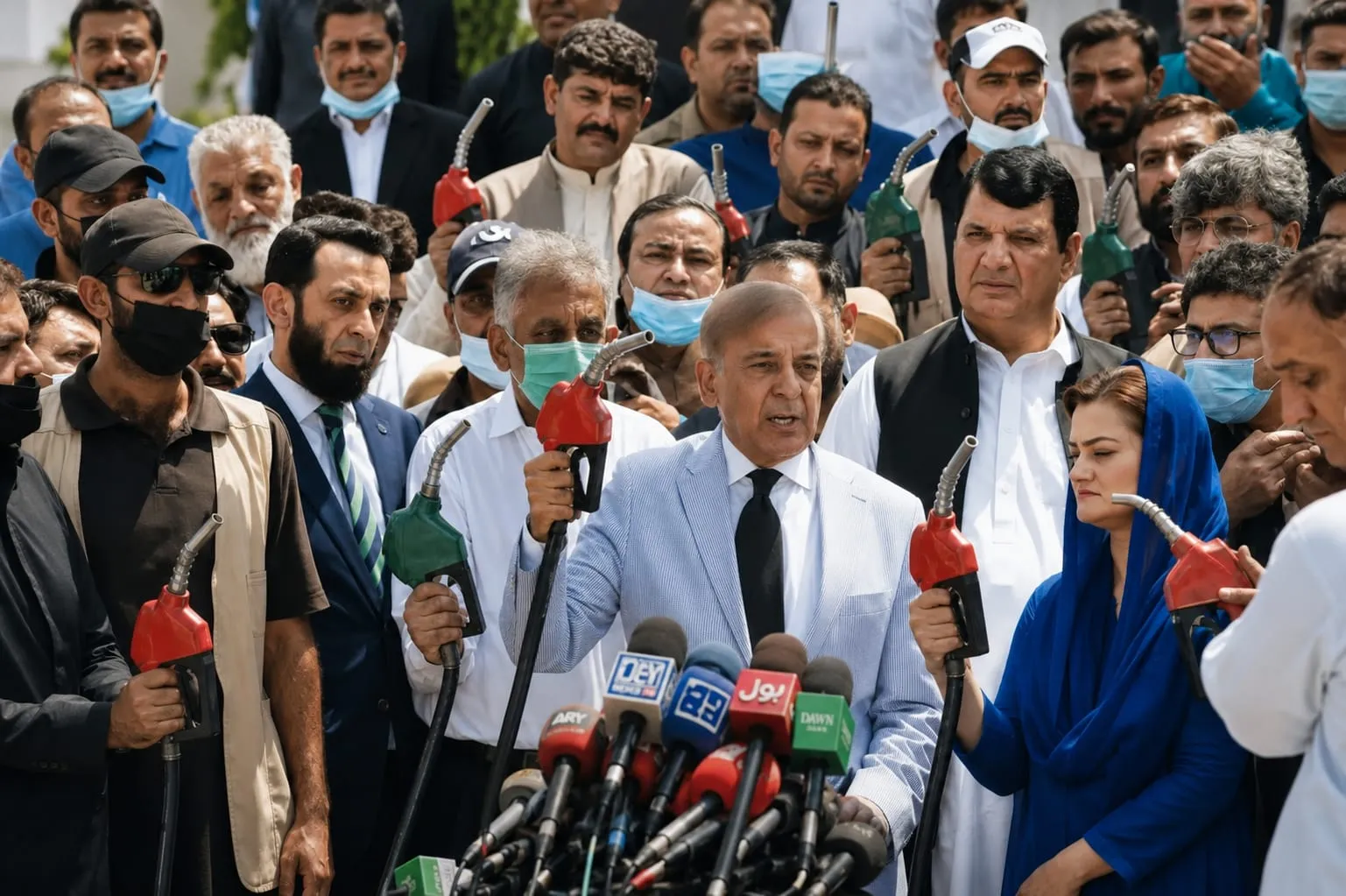
Talks between the All Pakistan Goods Transport Alliance and the government have resulted in key understandings aimed at providing some relief to the country’s transport sector.
The discussions come at a time when transporters are facing pressure from rising operating costs, including fuel expenses, toll taxes, maintenance costs and other business-related charges.
According to sources, the government and representatives of the goods transport sector have agreed in principle on measures related to toll taxes and petroleum product prices.
One-Year Toll Tax Freeze Proposed
One of the major understandings reached during the discussions is a proposed one-year freeze on toll tax increases.
Toll charges represent a significant operating expense for goods transporters, particularly those operating long-distance routes across Pakistan.
A decision to avoid further toll tax increases for one year could provide transport companies and individual operators with greater cost predictability.
The two sides have also reportedly agreed to reduce the recent increase in toll taxes, potentially providing immediate relief to transporters who have raised concerns about the impact of higher road charges on their operating expenses.
Petroleum Prices Also Discussed
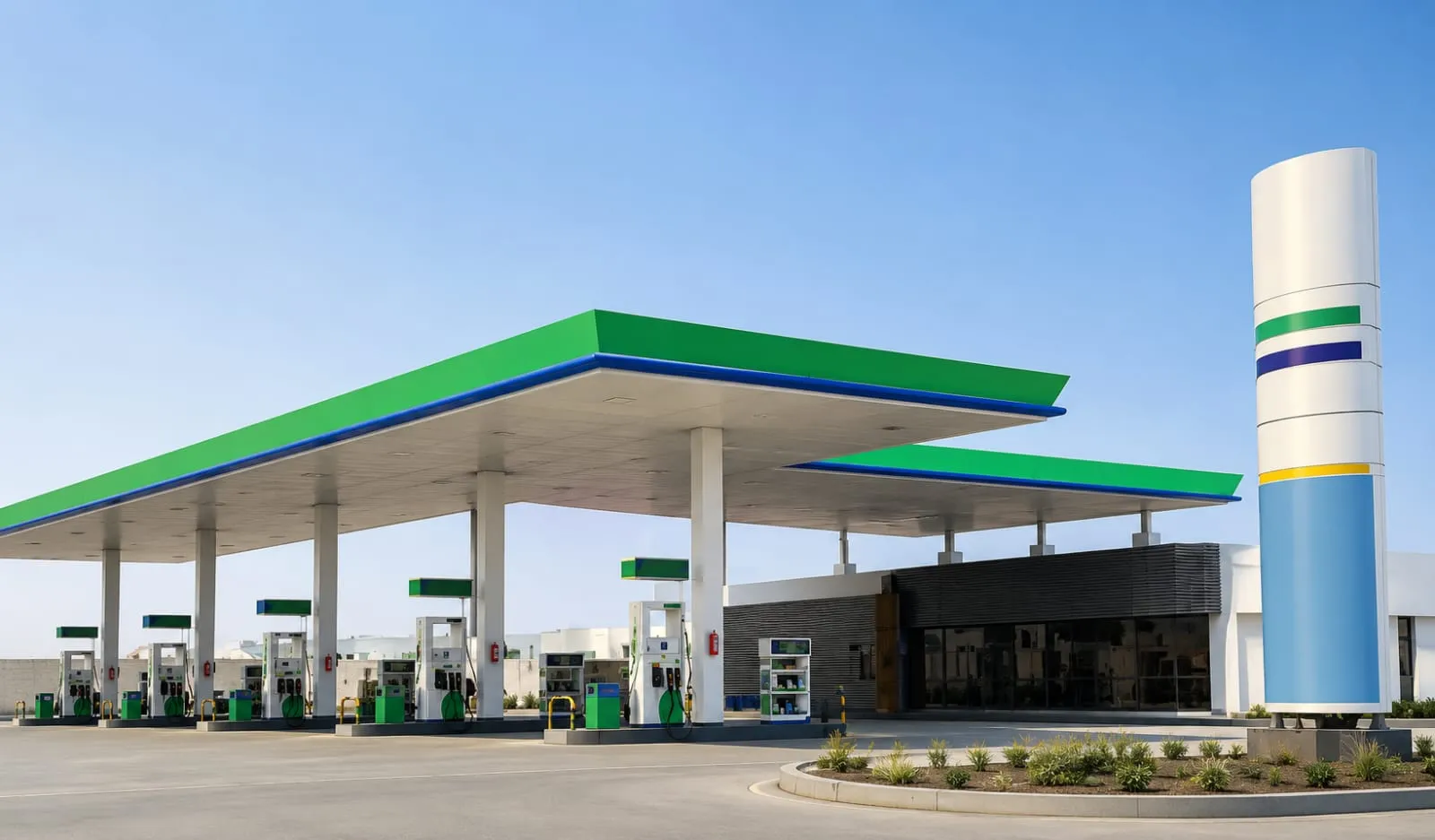
Petroleum prices were another major issue during negotiations between the government and transport representatives.
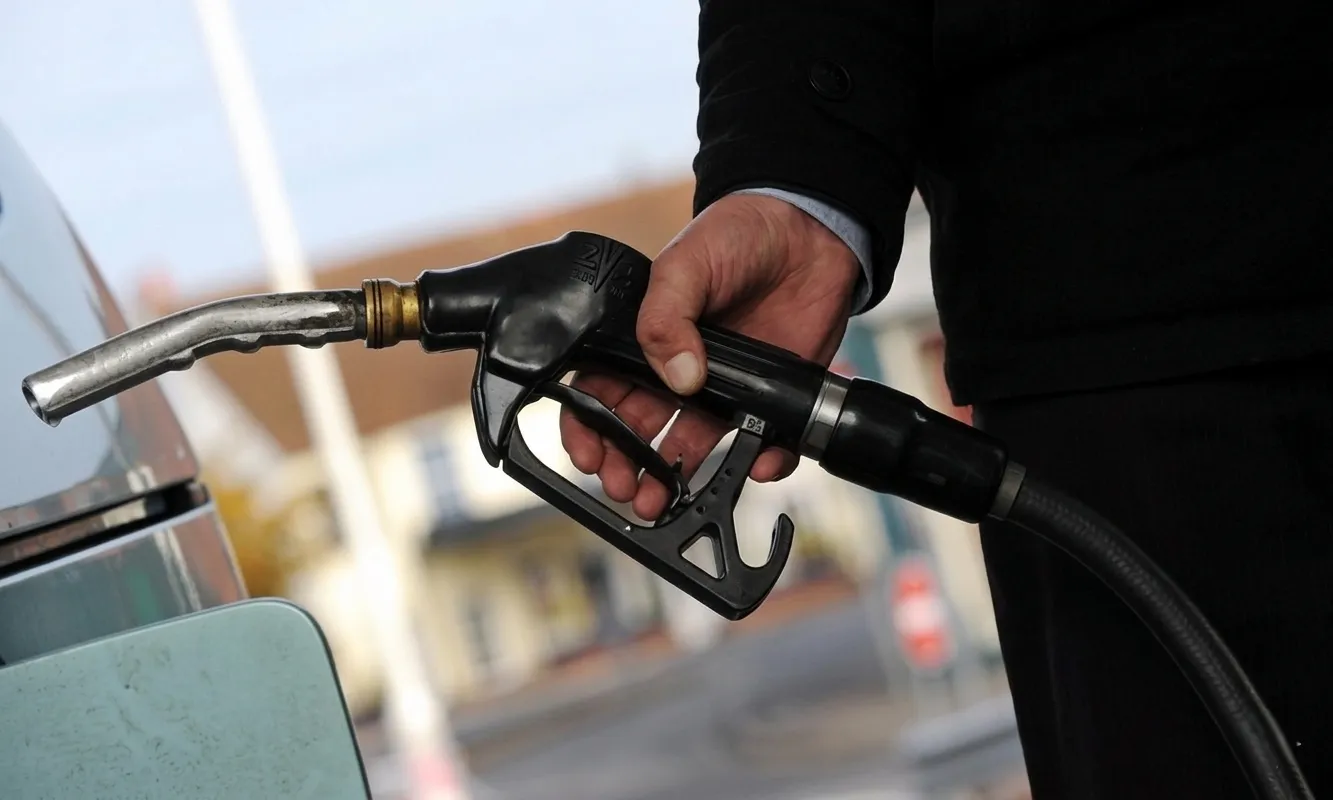
According to sources, assurances were given that petroleum product prices would not be increased for a period of one week or 15 days.
The exact duration and implementation of the assurance will be important for transporters, as fuel is one of the largest components of their overall operating costs.
Even short-term stability in fuel prices can help transport operators manage expenses and plan freight rates more effectively.
Why Fuel Prices Matter to the Transport Sector
Pakistan’s goods transport industry depends heavily on petroleum products.
Trucks and other commercial vehicles transport essential commodities, industrial goods, agricultural products and consumer products across the country.
When fuel prices rise, transporters may face higher costs for every journey. These additional expenses can eventually affect freight charges and, in some cases, contribute to higher prices for goods.
For this reason, fuel price stability remains an important concern for the transport industry as well as businesses and consumers.
Transporters Seeking Cost Relief
The latest discussions reflect growing concerns within the transport sector over rising operating expenses.
Transporters have to manage several major costs, including:
- Fuel and petroleum products
- Toll taxes
- Vehicle maintenance
- Spare parts
- Driver and staff expenses
- Insurance and regulatory costs
- Freight and logistics operations
When multiple expenses increase simultaneously, transport operators can face significant pressure on profit margins.
The proposed measures could therefore provide temporary relief while giving both the government and transport industry more time to address longer-term concerns.
Potential Impact on Freight Rates
Transport costs are closely connected with the movement of goods throughout Pakistan.
A reduction in toll charges and greater stability in fuel prices could help transporters control their operating expenses.
If these savings are sustained, businesses may have greater flexibility in managing freight rates.
However, the overall impact on transportation costs will depend on several factors, including future petroleum prices, road charges, vehicle operating costs and market conditions.
Government’s Position
The government has reportedly emphasized its intention to provide maximum possible relief to transporters under the current circumstances.
The discussions indicate an effort to balance the financial pressures faced by transport operators with the government's broader fiscal and infrastructure requirements.
For the transport industry, however, the key issue will be how quickly the agreed measures are implemented and whether they provide meaningful relief in practice.
Importance of Goods Transport for Pakistan’s Economy
The goods transport sector plays a critical role in Pakistan’s economy.
From agricultural produce and food items to industrial raw materials and manufactured products, millions of tonnes of goods are transported across the country's road network.
An efficient and financially sustainable transport system is essential for:
- Supply-chain stability
- Industrial activity
- Agricultural distribution
- Retail markets
- Exports and imports
- Consumer access to essential goods
Higher transportation costs can affect businesses throughout the supply chain, making transport-sector stability an important economic issue.
What the Latest Understanding Could Mean
If implemented, the proposed toll tax measures could provide transporters with greater certainty over road-related expenses for the coming year.
Meanwhile, short-term stability in petroleum prices could offer immediate relief to operators dealing with fluctuating fuel costs.
Together, these measures could help ease some of the pressure currently facing Pakistan's goods transportation industry.
However, the situation remains dependent on formal implementation and any further decisions by the government.
Looking Ahead
The latest talks between the government and the All Pakistan Goods Transport Alliance represent an attempt to address concerns through dialogue rather than prolonged disruption.
The reported understanding on toll taxes and petroleum prices could provide temporary relief to the transport sector.
The bigger challenge will be developing sustainable policies that keep transportation costs manageable while ensuring adequate funding for road infrastructure and maintaining fiscal stability.
For transporters, businesses and consumers, the coming days will be important as the government moves toward implementing the reported decisions.
Conclusion
The government and the All Pakistan Goods Transport Alliance have reached key understandings aimed at easing pressure on Pakistan's goods transport sector.
The proposed one-year freeze on toll tax increases, reduction in the recent toll hike and reported short-term assurance on petroleum prices could provide some relief to transport operators.
As transport costs directly influence the movement and pricing of goods, any sustained reduction in operating expenses could have wider implications for businesses, supply chains and consumers across Pakistan.
The effectiveness of these measures will ultimately depend on their formal implementation and the government's ability to maintain stability in toll and fuel-related policies.
Disclaimer: This article is for informational purposes only and is based on publicly available reports. Details regarding toll taxes, petroleum prices and government decisions may change. Readers should verify the latest official announcements before relying on the information for financial or business decisions.