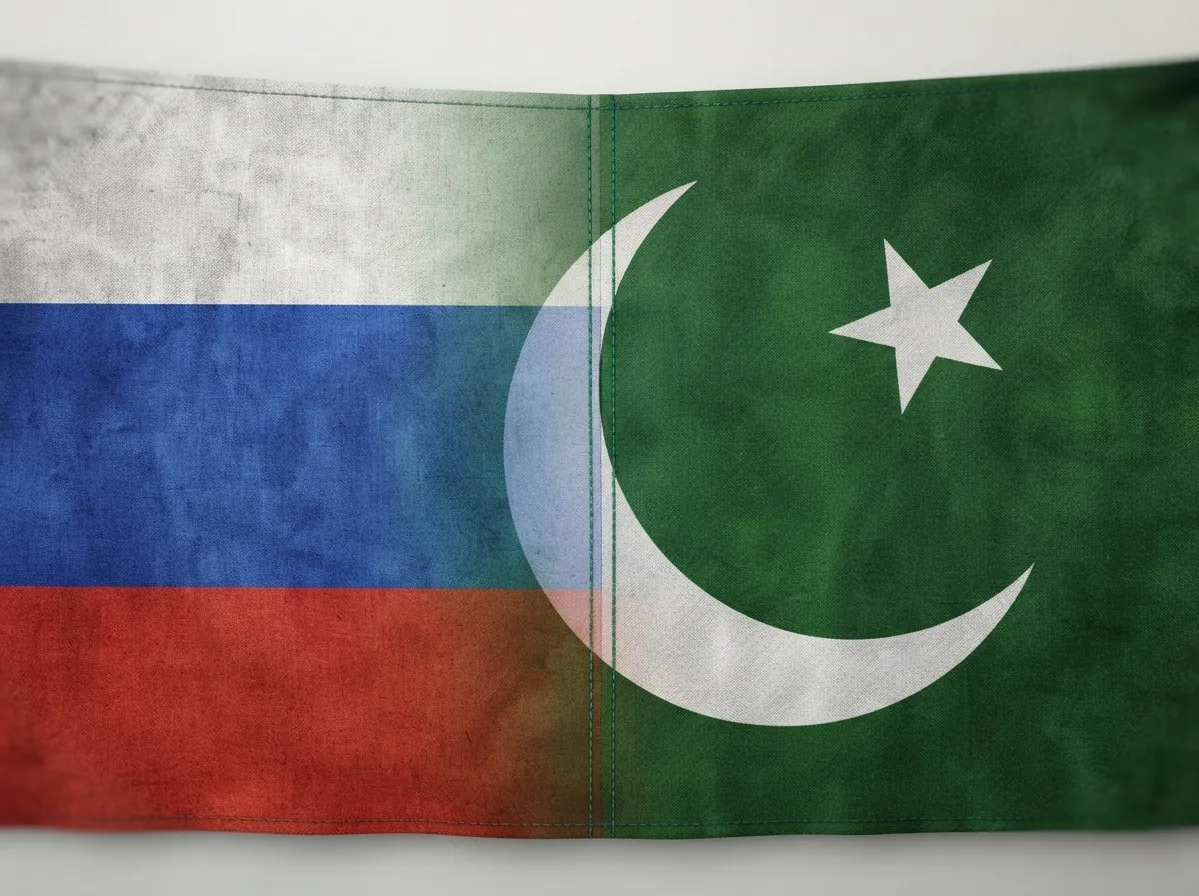
Pakistan and Russia are working toward establishing their first freight rail connections — linking Moscow with Faisalabad and Moscow with Karachi — with possible participation from Belarus, as part of a broader push to strengthen trade and transport ties between the two countries.
The Proposed Rail Routes
According to officials from both countries, the proposed freight rail corridors would connect Moscow to Faisalabad and Moscow to Karachi, marking what would be the first direct freight rail links between Pakistan and Russia. There is also the possibility of Belarus participating in the arrangement, potentially expanding the route's regional scope and logistical reach.
These freight corridors are intended to provide a more direct and efficient transport channel for moving goods between the two countries, an area that has reportedly faced delays and disruptions in recent years due to regional geopolitical tensions affecting broader trade and transit routes.
Why This Matters for Trade
1. A more direct trade channel Establishing dedicated freight rail links between major cities in Pakistan and Russia could significantly streamline the movement of goods between the two countries, reducing reliance on more indirect or complicated transport routes that may currently be in use.
2. Addressing delays from regional tensions The proposed routes are explicitly framed as a response to delays caused by regional geopolitical tensions, suggesting that existing trade and transport arrangements between Pakistan and Russia have faced disruptions that both countries are now looking to address through more direct infrastructure.
3. Boosting two-way trade By creating dedicated freight infrastructure, both countries aim to facilitate greater two-way trade, potentially opening up new opportunities for exporters and importers on both sides to move goods more efficiently and at potentially lower cost.
Expanding Agricultural Cooperation
Beyond the rail corridors, Pakistan and Russia are also exploring expanded cooperation in agriculture, an area both countries appear to view as a priority for deeper bilateral engagement. Specific areas of focus include:
- Modern agricultural machinery — potentially helping to modernize farming practices and improve efficiency
- Fertilisers and pesticides — critical inputs for crop production, where reliable and affordable supply chains directly affect farmer costs and yields
- Vaccines and animal-health technologies — aimed at supporting livestock health and productivity within Pakistan's agricultural sector
This agricultural cooperation appears closely linked to the broader rail connectivity plans, as improved freight transport could directly support the movement of these agricultural inputs and technologies between the two countries.
The Stated Goals
Pakistani and Russian officials have framed these initiatives around a shared objective: turning bilateral relations into practical, tangible projects. According to officials, the broader aim is to:
- Improve agricultural productivity in Pakistan
- Reduce costs for farmers and agricultural producers
- Strengthen food security through more reliable access to agricultural inputs and technologies
This framing suggests that both governments are seeking to move beyond diplomatic or symbolic cooperation toward concrete infrastructure and trade projects with measurable economic impact.
Current Status: Consultations Ongoing
As of now, these initiatives remain in the consultation phase. Officials from both countries are continuing discussions to:
- Finalise the technical and logistical arrangements for the proposed rail corridors
- Identify commercial users — businesses and industries that would actually utilize the freight routes once operational
This indicates that while the intent and broad framework have been established, significant work remains before either the Moscow-Faisalabad or Moscow-Karachi freight corridors become operational.
Why This Development Is Significant
1. A potential shift in regional trade infrastructure If realized, these would be the first freight rail connections directly linking Pakistan and Russia, representing a notable addition to the region's trade infrastructure landscape.
2. Diversifying Pakistan's trade and agricultural input sources Expanded cooperation with Russia in agricultural inputs — machinery, fertilisers, pesticides, and animal-health technologies — could provide Pakistan with additional sourcing options, potentially reducing dependency on other existing suppliers.
3. Belarus's potential role The possible involvement of Belarus adds a further regional dimension to the proposed rail corridors, suggesting the initiative could evolve into a broader multi-country logistics arrangement rather than a purely bilateral one.
4. Long-term food security implications Given that the stated goals explicitly include strengthening food security, the success of this agricultural cooperation could have meaningful implications for Pakistan's broader agricultural resilience and productivity over time.
Conclusion
Pakistan and Russia's efforts to establish freight rail links between Moscow and Faisalabad, and Moscow and Karachi, reflect a broader push to translate bilateral relations into practical trade and agricultural cooperation. With consultations still ongoing to finalise technical arrangements and identify commercial users, the coming months will likely determine how quickly — and how successfully — these ambitious connectivity and agricultural cooperation plans move from proposal to implementation.
Disclaimer: This content is for informational purposes only and based on available reports. The image referenced in the original social media post is AI generated and is just for reference.