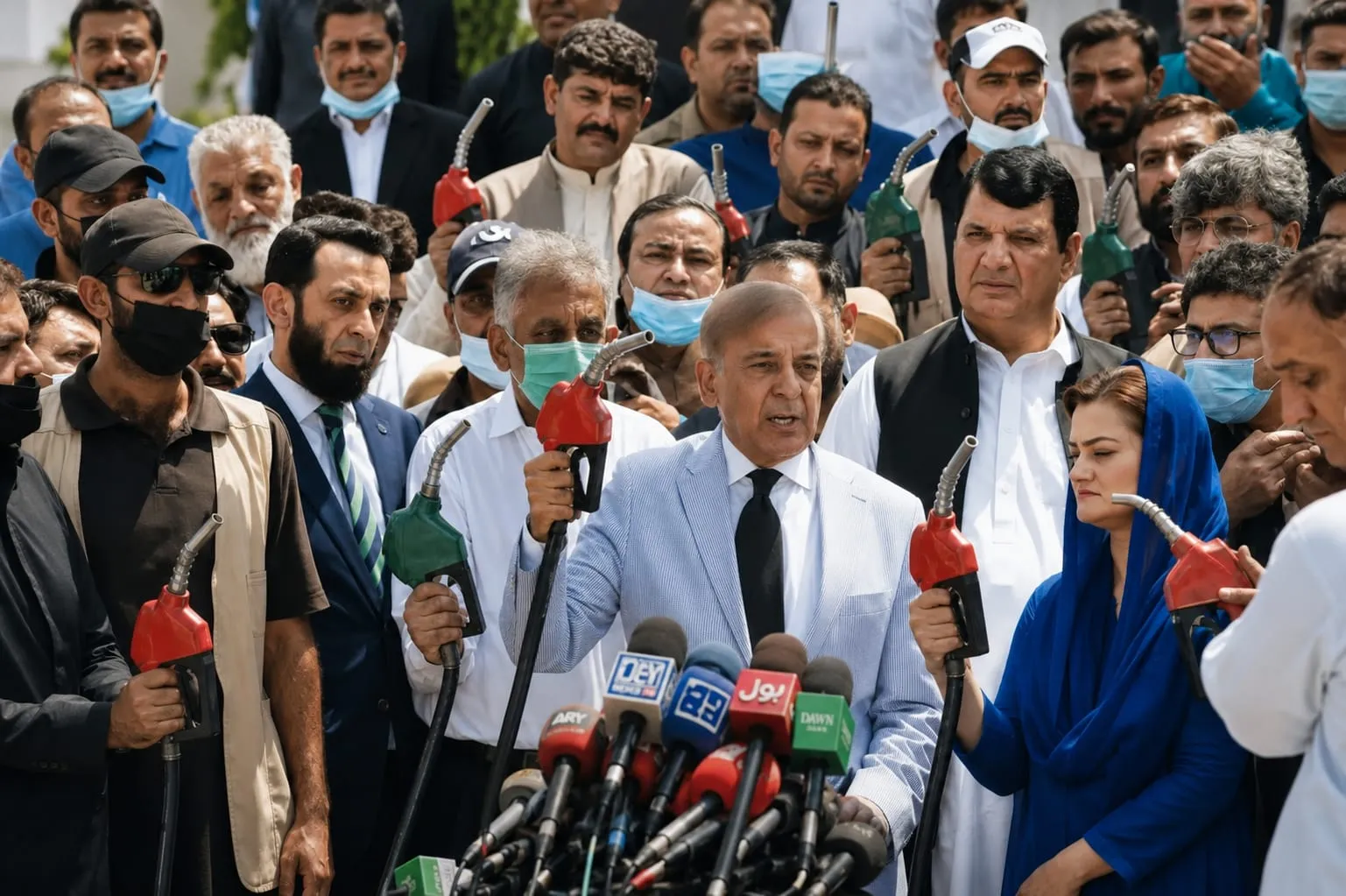
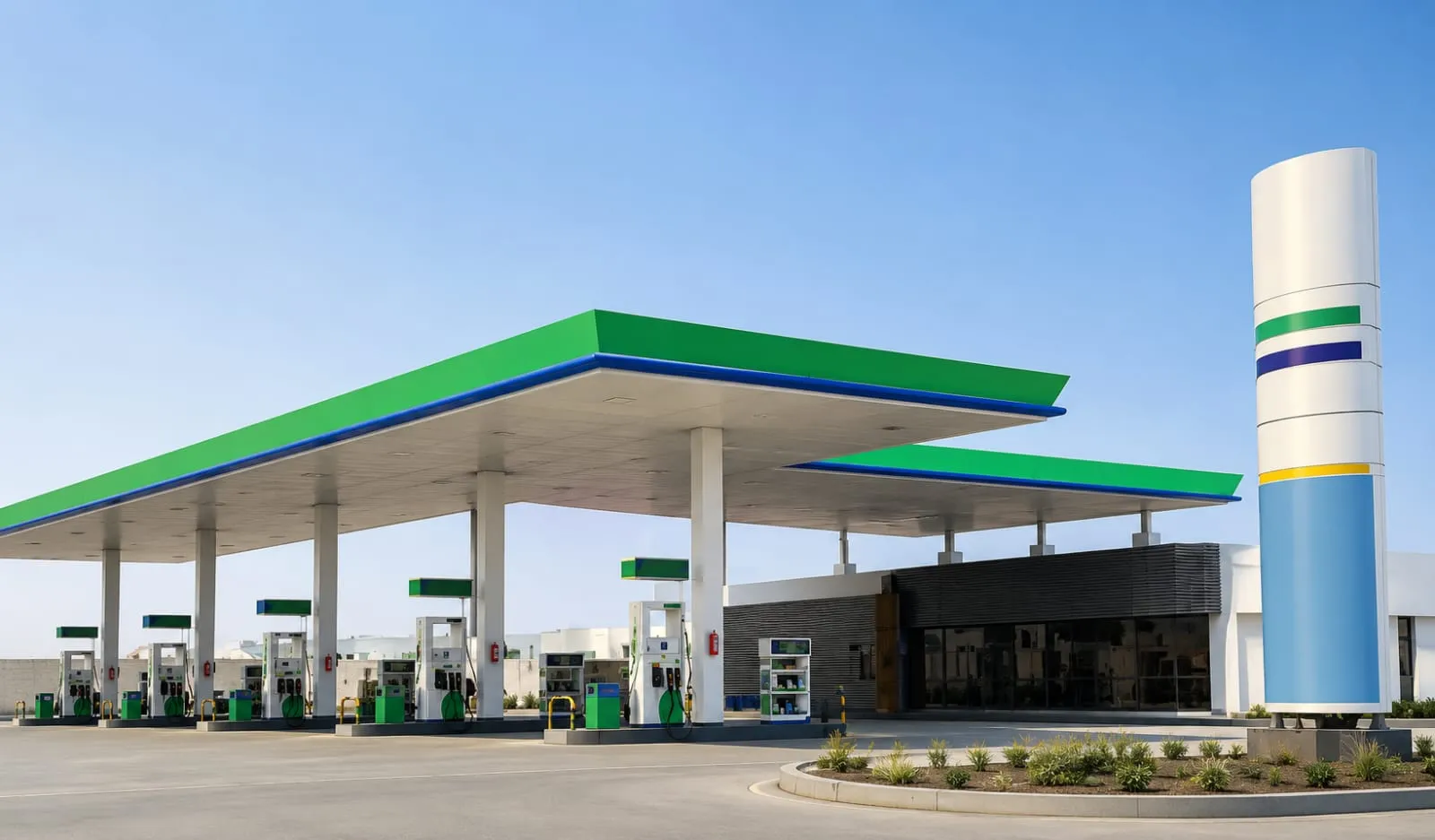
Petrol pumps across Pakistan may shut down from August 15 for an indefinite period after the Pakistan Petroleum Dealers Association announced a nationwide strike, threatening significant disruption to fuel supplies for commuters, businesses, and transport operators across the country.
What's Behind the Strike Threat
The looming shutdown follows two closely connected developments:
1. An ongoing wheel-jam protest by goods transporters Goods transporters have been engaged in an ongoing wheel-jam protest — a form of demonstration in which transport vehicles are deliberately halted or slowed to disrupt normal traffic and logistics flow, typically used as a pressure tactic to draw attention to specific demands.
2. Failed talks with the government Attempts to resolve the underlying issues through negotiation with the government have reportedly failed, leaving petroleum dealers without a resolution and prompting them to escalate the situation with a strike threat of their own.
The Dealers' Demands
The Pakistan Petroleum Dealers Association has issued a 72-hour ultimatum to the government, outlining a set of concerns they want addressed. Chief among these demands is an increase in the dealers' petrol margin to 8% — referring to the profit margin petroleum dealers earn on each unit of fuel sold, a figure that directly affects the financial viability of running fuel stations across the country.
Beyond the margin increase, the association has cited broader concerns affecting the dealer community, framing the strike threat as a response to sustained financial pressure rather than a single isolated issue.
The Scale of the Threat
According to association officials, approximately 14,000 dealers across Pakistan are under pressure and prepared to keep their pumps closed until their demands are addressed. Given the sheer number of fuel stations involved, a strike of this scale — if it proceeds as threatened — would represent a nationwide disruption, rather than a localized or regional issue.
Potential Impact of a Nationwide Shutdown
If petrol pumps do shut down starting August 15 as threatened, the ripple effects could be significant and wide-reaching:
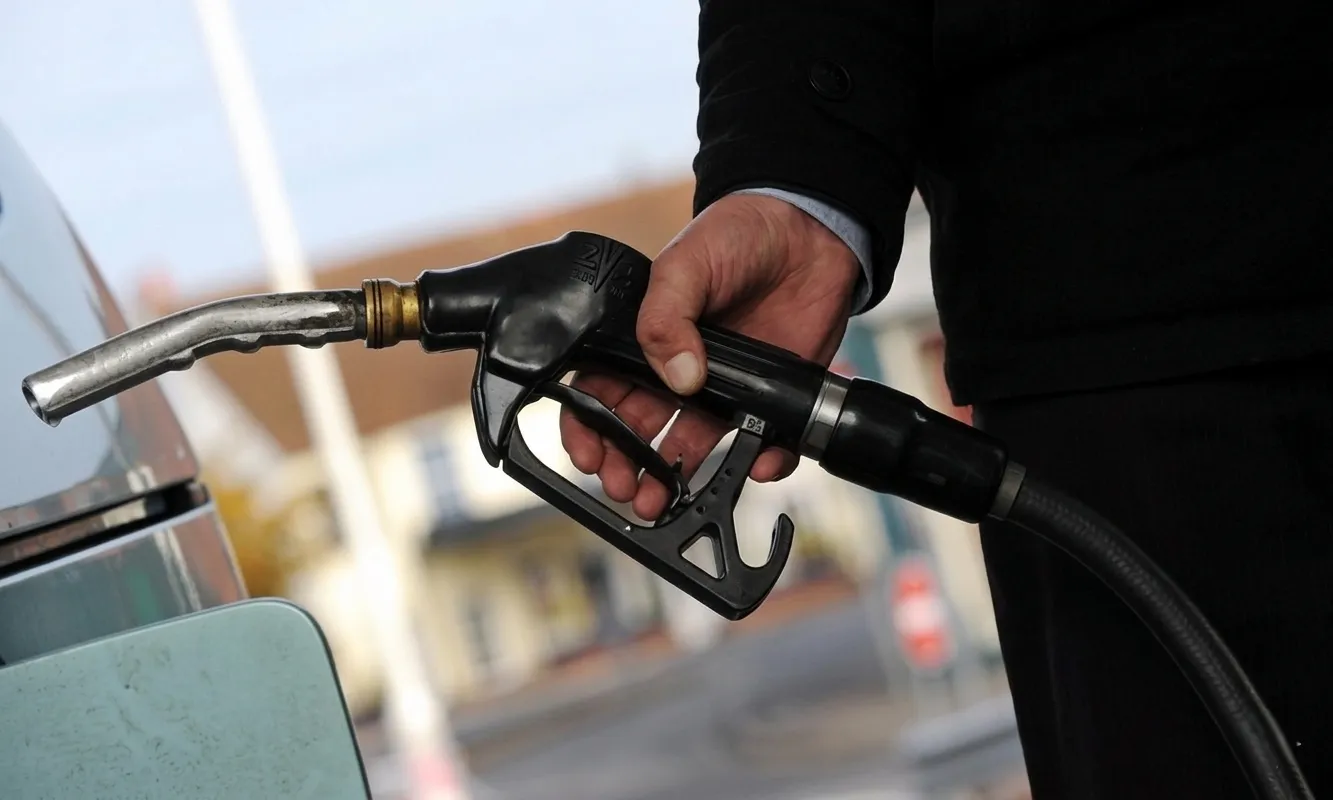
1. Disruption for commuters Everyday commuters relying on personal vehicles or motorcycles for transportation would face immediate difficulty accessing fuel, potentially disrupting daily routines, work commutes, and personal travel plans.
2. Impact on businesses Businesses dependent on fuel for operations — including delivery services, ride-hailing platforms, and any business reliant on vehicle-based logistics — could face operational disruptions, with knock-on effects for supply chains and service delivery.
3. Compounding effects on transport operators Given that the strike threat comes on the heels of an already ongoing wheel-jam protest by goods transporters, a simultaneous petrol pump shutdown could compound existing transportation and logistics disruptions, creating a more severe combined impact on the movement of goods across the country.
4. Broader economic ripple effects A prolonged, nationwide fuel shortage has the potential to affect a wide range of economic activities, from agricultural supply chains to retail and manufacturing sectors that depend on consistent fuel access for transportation and operations.
The Broader Context: Fuel Margins and Dealer Sustainability
Disputes over fuel margins between petroleum dealers and the government are not entirely new in Pakistan, reflecting an ongoing tension between dealers' operating costs and the regulated margins they are permitted to charge. Petroleum dealers often argue that insufficient margins make it difficult to sustainably operate fuel stations, particularly amid broader inflationary pressures affecting operational costs such as staffing, utilities, and maintenance.
The government, on the other hand, must balance dealer demands against broader considerations, including the impact of margin increases on retail fuel prices for consumers already sensitive to fuel cost fluctuations.
What Happens Next
With the 72-hour ultimatum now in effect, the coming days will likely determine whether:
- The government engages in renewed negotiations to address dealer concerns before the deadline
- A resolution is reached that avoids the threatened nationwide shutdown
- The strike proceeds as planned starting August 15, leading to the disruptions outlined above
Given the significant number of dealers involved and the potential scale of disruption, there is likely to be considerable pressure on both sides to reach some form of resolution before the shutdown deadline arrives.
Conclusion
The threat of a nationwide petrol pump shutdown starting August 15 underscores the high stakes involved in the standoff between Pakistan's petroleum dealers and the government. With around 14,000 dealers prepared to keep pumps closed until their demands — including an increase in petrol margins to 8% — are addressed, the coming days will be critical in determining whether Pakistan faces a significant, nationwide fuel supply disruption or whether a last-minute resolution can be reached to avert the strike.
Disclaimer: This content is for informational purposes only and based on available reports. The image referenced in the original social media post is AI generated and is just for reference.