Karachi has been ranked 170th out of 173 cities in the Economist Intelligence Unit (EIU) Global Liveability Index 2026, placing it among the lowest-ranked cities in the annual global assessment.
The city received an overall score of 43 out of 100. The ranking highlights ongoing concerns related to urban management, public services, infrastructure, healthcare, safety, and environmental conditions.
What Does the Liveability Index Measure?
The EIU Global Liveability Index evaluates cities through more than 30 indicators across five major categories:
- Stability
- Healthcare
- Culture and environment
- Education
- Infrastructure
The index is designed to assess the challenges and conditions that can affect daily life in major cities.
Karachi’s Category Scores
According to reported 2026 index data, Karachi received:
- 20 for stability
- 54 for healthcare
- 36 for culture and environment
- 75 for education
- 52 for infrastructure
Education was Karachi’s strongest-performing category. However, lower scores in stability, culture and environment, healthcare, and infrastructure affected the city’s overall position.
Challenges Facing Karachi
Karachi is Pakistan’s largest city and a major centre for trade, industry, finance, technology, media, and entrepreneurship.
However, its size and rapid population growth have also created major pressures on city systems. Residents regularly face challenges linked to traffic congestion, public transport, water supply, sanitation, waste management, air quality, road conditions, public safety, and access to healthcare.
The ranking has renewed discussion about the need for more effective and coordinated urban planning.
Karachi’s Economic Importance
Despite its low liveability ranking, Karachi remains central to Pakistan’s economy.
The city is home to major ports, businesses, industries, financial institutions, and a large workforce. Its cultural diversity, entrepreneurial spirit, and resilience continue to make it one of the country’s most important urban centres.
Improving Karachi’s liveability is not only important for residents. It is also important for national economic growth, investment, employment, and long-term urban development.
What Could Improve Liveability?
Meaningful improvement may require long-term reforms and practical investment in areas such as:
- Reliable public transport
- Water supply and sanitation
- Waste collection and recycling
- Road maintenance and traffic management
- Affordable healthcare
- Public safety and emergency response
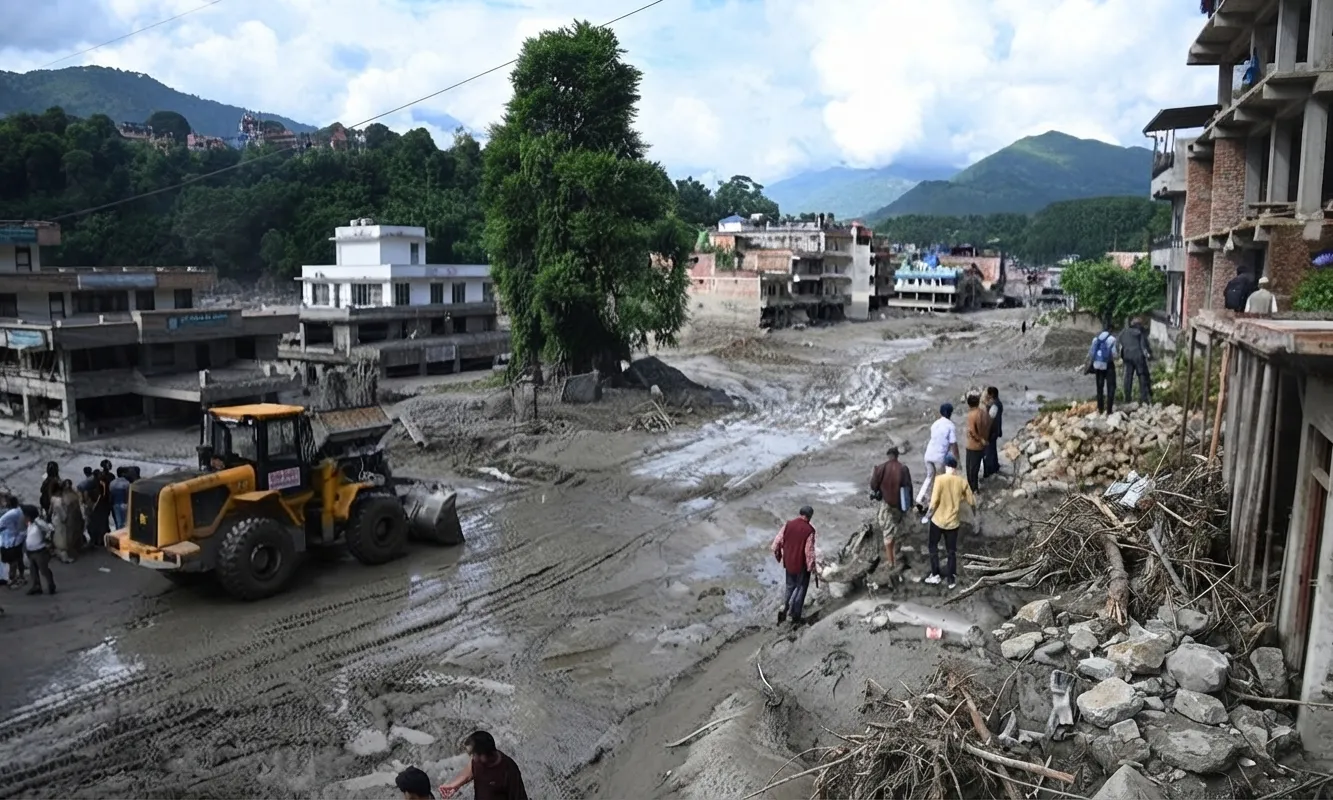
- Climate resilience and flood management
- Green spaces and environmental protection
- Transparent and accountable city governance
A city of Karachi’s scale needs coordinated planning between provincial authorities, local government bodies, utility providers, transport agencies, businesses, and communities.
Final Thoughts
Karachi’s position in the Global Liveability Index 2026 is a reminder that economic importance alone does not guarantee a high quality of urban life.
The city has enormous potential, talent, and resilience. With sustained investment, better city management, stronger public services, and accountable governance, Karachi can improve conditions for millions of residents and build a more liveable future.
Disclaimer
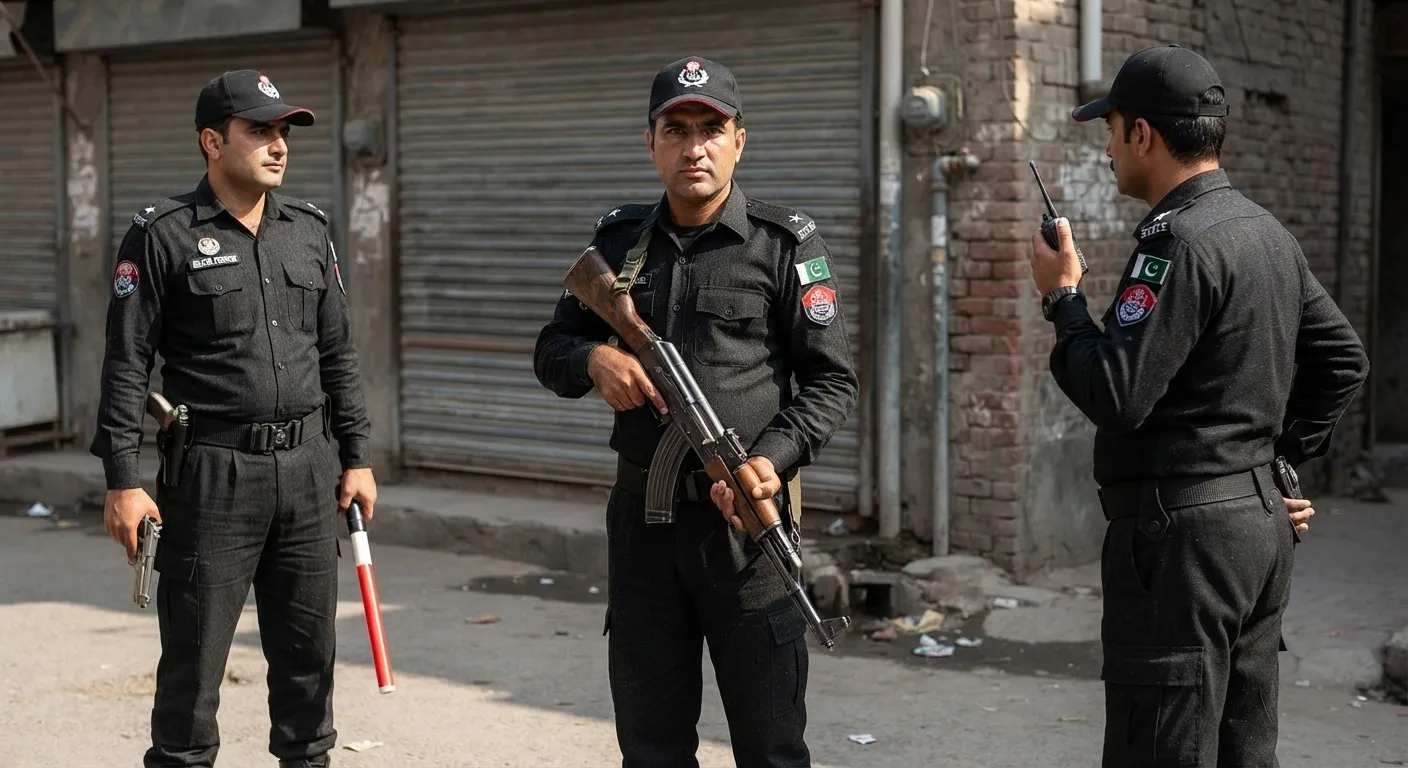
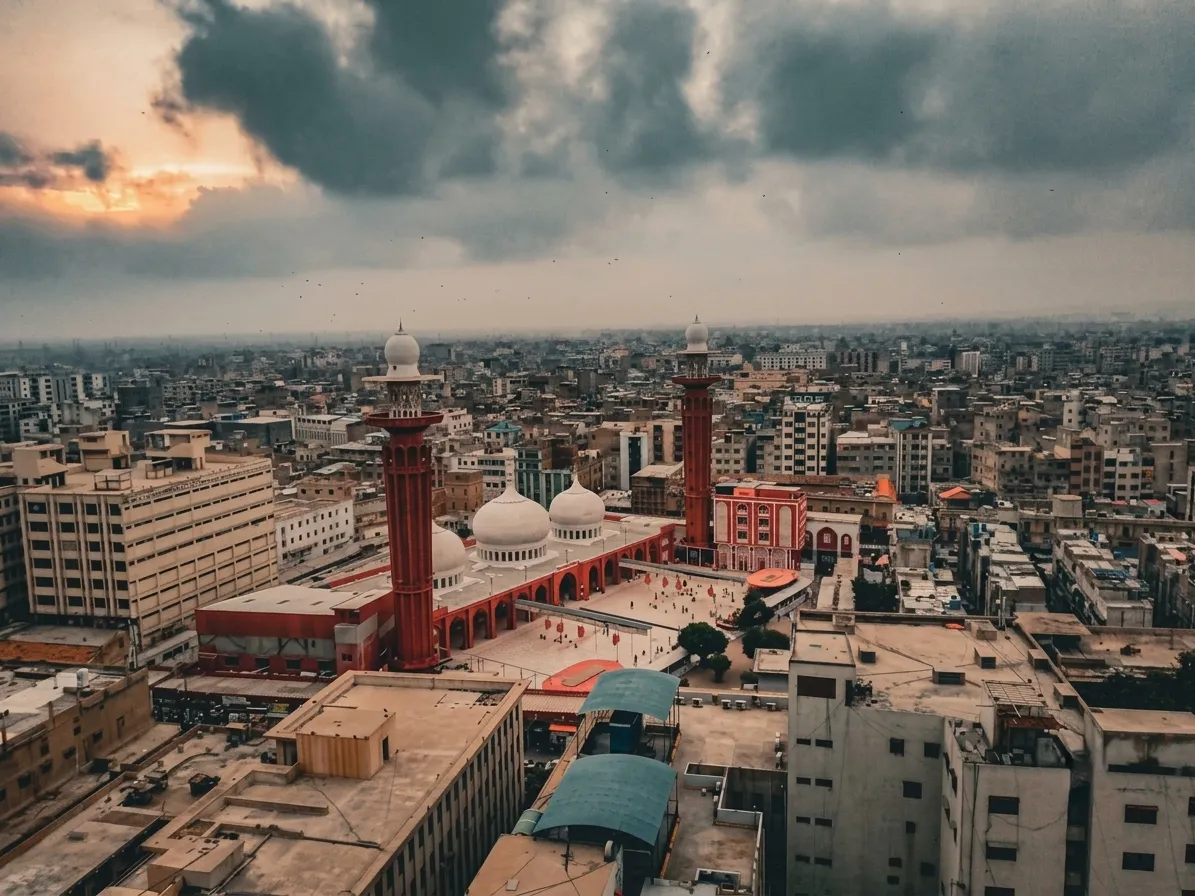
This article is for informational purposes only and is based on publicly available reports. The accompanying image is AI generated and is for illustrative purposes only. Rankings reflect the Economist Intelligence Unit’s methodology and indicators and may not capture every aspect of residents’ lived experiences. Readers are encouraged to consult the official EIU Global Liveability Index for complete methodology and updated information.