Pakistan’s Handmade Carpet Industry Eyes Bigger Share of $17 Billion Global Market
Pakistan’s handmade carpet industry has significant potential to expand its presence in international markets, with industry stakeholders calling for stronger government support, improved policies and a more focused export strategy.
The global handmade carpet market is valued at more than $17 billion, creating a major opportunity for Pakistani manufacturers and artisans to increase exports and strengthen the country’s position in the international handicrafts and textile market.
International Exhibition to Create New Opportunities
The 42nd International Carpet Exhibition, scheduled to take place in Pakistan in October, is expected to provide an important platform for local manufacturers to showcase their products to international buyers.
The three-day exhibition will bring together industry representatives, exporters and potential buyers for business-to-business meetings, market networking and knowledge sharing.
Such events can help Pakistani carpet manufacturers understand changing international demand, establish new business relationships and explore potential export markets.
Modernising a Traditional Industry
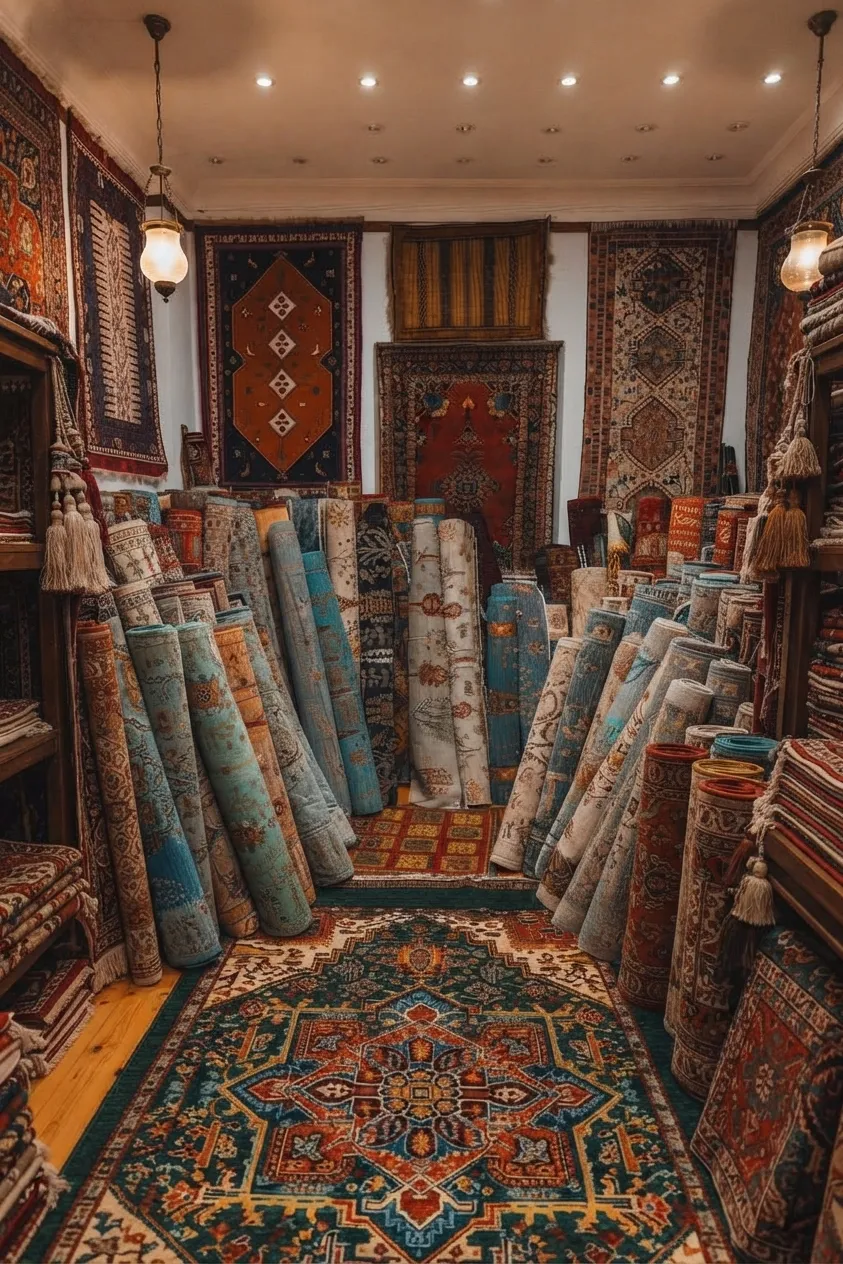
Pakistan has a long-standing tradition of handmade carpet production, with skilled artisans producing carpets featuring detailed designs and traditional craftsmanship.
However, industry stakeholders believe that traditional expertise needs to be combined with modern production techniques and contemporary product development.
Improving design, quality standards, production efficiency and product innovation could help Pakistani manufacturers compete more effectively with producers from other major carpet-exporting countries.
Stronger Marketing Could Boost Exports
Another important factor is international marketing.
Pakistani handmade carpets have the potential to appeal to customers looking for traditional craftsmanship, unique designs and premium handmade products. However, stronger branding and better access to international markets could help increase their visibility.
Digital marketing, international trade exhibitions, e-commerce platforms and stronger relationships with overseas distributors could provide additional channels for Pakistani carpet businesses to reach customers worldwide.
Government Support Remains Important
Industry representatives have called for supportive government policies and measures that can help exporters overcome challenges and expand their international presence.
Support could include easier access to financing, export facilitation, training programmes, technology adoption and assistance in reaching international buyers.
A coordinated strategy involving manufacturers, exporters, artisans and government institutions could help the industry move beyond traditional markets and explore new destinations.
Opportunity for Pakistani Craftsmanship
The global demand for handmade and traditionally crafted products provides Pakistan with an opportunity to turn its cultural heritage into stronger export growth.
The upcoming international carpet exhibition could serve as an important platform for Pakistani businesses to showcase their capabilities, meet international buyers and explore new commercial partnerships.
With modern production, stronger branding, better product development and an export-focused strategy, Pakistan’s handmade carpet industry could increase its share of the global market while supporting artisans and creating new economic opportunities.
Conclusion
Pakistan’s handmade carpet sector represents a combination of traditional craftsmanship and export potential. As the global handmade carpet market continues to grow, the country has an opportunity to strengthen its position through innovation, investment and international market development.
The upcoming 42nd International Carpet Exhibition could provide an important step toward connecting Pakistani carpet manufacturers with global buyers and opening new opportunities for exports.
Disclaimer: This article is for informational purposes only and is based on publicly available reports. Market valuations, exhibition details and industry projections may change. Readers should verify the latest information through relevant official and industry sources.