How the Kaaba and Masjid al-Haram Are Protected Around the Clock
The Kaaba and Masjid al-Haram in Makkah are among the most important religious sites in the world, welcoming millions of worshippers every year. Managing such enormous gatherings requires advanced surveillance, specialized security personnel, controlled access and sophisticated crowd-management systems.
Makkah experiences a continuous flow of visitors throughout the year, with numbers increasing significantly during Hajj, Umrah and other important periods in the Islamic calendar.
Because of the sheer scale of these gatherings, maintaining a safe and organized environment requires coordination between security teams, surveillance operations, crowd-management personnel and other authorities.
Advanced Surveillance Systems
One of the key components of security around Masjid al-Haram is modern surveillance technology.
High-resolution cameras and monitoring systems help authorities observe activity across crowded areas and monitor the movement of worshippers.
Such systems can assist security teams in identifying congestion, monitoring crowd movement and responding to incidents more efficiently.
Technology is particularly valuable during peak periods, when large numbers of people may be moving through the same areas at the same time.
Specialized Security Personnel
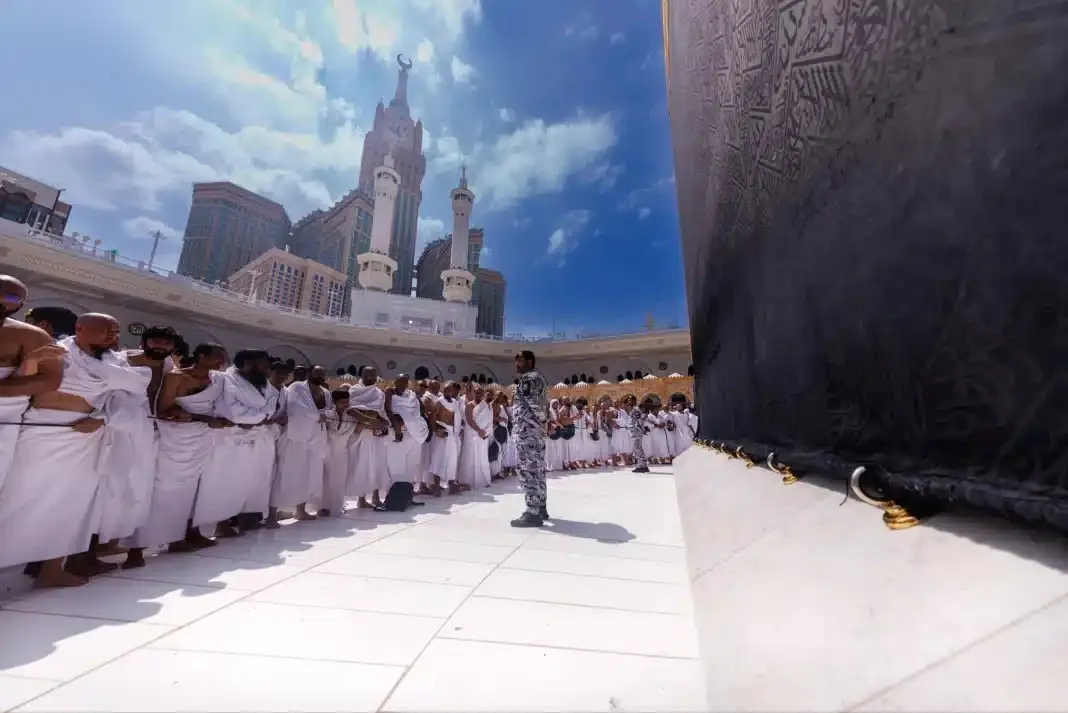
Technology is supported by large numbers of trained security personnel operating around the holy sites.
Security teams can assist with crowd control, access management, emergency response and maintaining orderly movement around busy areas.
Their presence becomes especially important during Hajj, when millions of pilgrims travel between different locations according to specific religious schedules.
The combination of trained personnel and technology creates multiple layers of protection.
Strict Access Controls
Access management is another important part of maintaining safety in Makkah.
During Hajj, authorities implement specific permit and access requirements designed to regulate the number of people entering designated areas.
Such measures are particularly important because overcrowding can create serious safety challenges in areas where very large numbers of people are moving simultaneously.
Visitors are therefore expected to follow the latest official instructions regarding permits, entry requirements and designated routes.
Crowd Management at Masjid al-Haram
Crowd management is one of the most complex aspects of operating the Grand Mosque.
Millions of people may gather for prayers, Tawaf and other acts of worship, creating constantly changing patterns of movement.
Authorities use a combination of physical infrastructure, security personnel and monitoring systems to help manage these movements.
The objective is not simply to control crowds but to facilitate worship while reducing unnecessary congestion and potential safety risks.
Special Arrangements During Hajj
Security and crowd-management requirements become even more significant during Hajj.
Pilgrims travel between Makkah and other holy sites according to a defined sequence of rituals, creating enormous temporary concentrations of people.
Managing these movements requires extensive coordination involving transportation, security, healthcare, emergency services and other operational teams.
The systems used during Hajj are designed to help millions of pilgrims complete their religious obligations as safely and efficiently as possible.
Umrah and Year-Round Visitors
Unlike Hajj, which takes place during a specific period of the Islamic calendar, Umrah can be performed throughout much of the year.
This means Masjid al-Haram experiences significant visitor numbers outside the Hajj season as well.
Security and crowd-management systems therefore operate continuously rather than being limited to a single annual event.
During particularly busy periods, additional measures may be introduced according to official requirements and crowd conditions.
Airspace Restrictions Over Makkah
Another notable aspect of the wider security arrangements around Makkah concerns aviation.
Aircraft operations over the holy city are subject to restrictions and regulations designed to address aviation safety and operational considerations.
These arrangements also contribute to maintaining the unique character and peaceful environment of Makkah.
Specific aviation rules and restrictions can change, so current requirements should always be verified through the relevant authorities.
Technology Meets Human Coordination
While surveillance technology plays an important role, protecting a site as large and busy as Masjid al-Haram cannot depend on technology alone.
Human decision-making remains essential.
Security personnel need to interpret situations, communicate with visitors, respond to emergencies and coordinate with other teams.
This combination of technology, trained personnel, infrastructure and planning creates a comprehensive approach to protecting worshippers.
Why Crowd Safety Is So Important
The scale of religious gatherings in Makkah makes crowd safety particularly important.
Even normal pedestrian movement can become complicated when thousands of people are moving through the same location.
During peak periods, the number of visitors can increase dramatically, making effective planning essential.
Surveillance and crowd-management systems allow authorities to monitor conditions and respond when areas become congested.
Protecting a Sacred Environment
Security around the Kaaba and Masjid al-Haram serves a purpose beyond conventional security.
The measures are designed to help protect worshippers while allowing them to perform religious activities in a peaceful and organized environment.
For millions of Muslims visiting Makkah, the ability to worship safely and comfortably is a central concern.
Maintaining this environment requires continuous coordination and preparation throughout the year.
A Multi-Layered Approach
The protection of the holy sites can therefore be understood as a multi-layered system involving:
- Surveillance technology
- Specialized security personnel
- Crowd monitoring
- Access control
- Permit systems
- Emergency response
- Infrastructure and pedestrian management
- Aviation regulations
- Coordination between multiple authorities
Each layer serves a different purpose, but together they contribute to the overall safety and organization of the holy city.
Conclusion
The protection of the Kaaba and Masjid al-Haram involves much more than visible security personnel.
Behind the scenes is a complex combination of modern surveillance, crowd-management technology, specialized teams, access controls, permits, infrastructure and carefully coordinated operations.
These measures become especially important during Hajj and Umrah, when millions of worshippers gather in Makkah.
Ultimately, the objective is to maintain a secure, organized and peaceful environment where visitors can focus on their worship while authorities manage the challenges associated with one of the world's largest recurring religious gatherings.
Disclaimer: This article is for informational purposes only and is based on publicly available information. Security procedures, access requirements, permits and aviation regulations may change according to official policies and circumstances. Visitors should always follow the latest instructions issued by the relevant Saudi authorities. The accompanying image is AI-generated and for reference only.