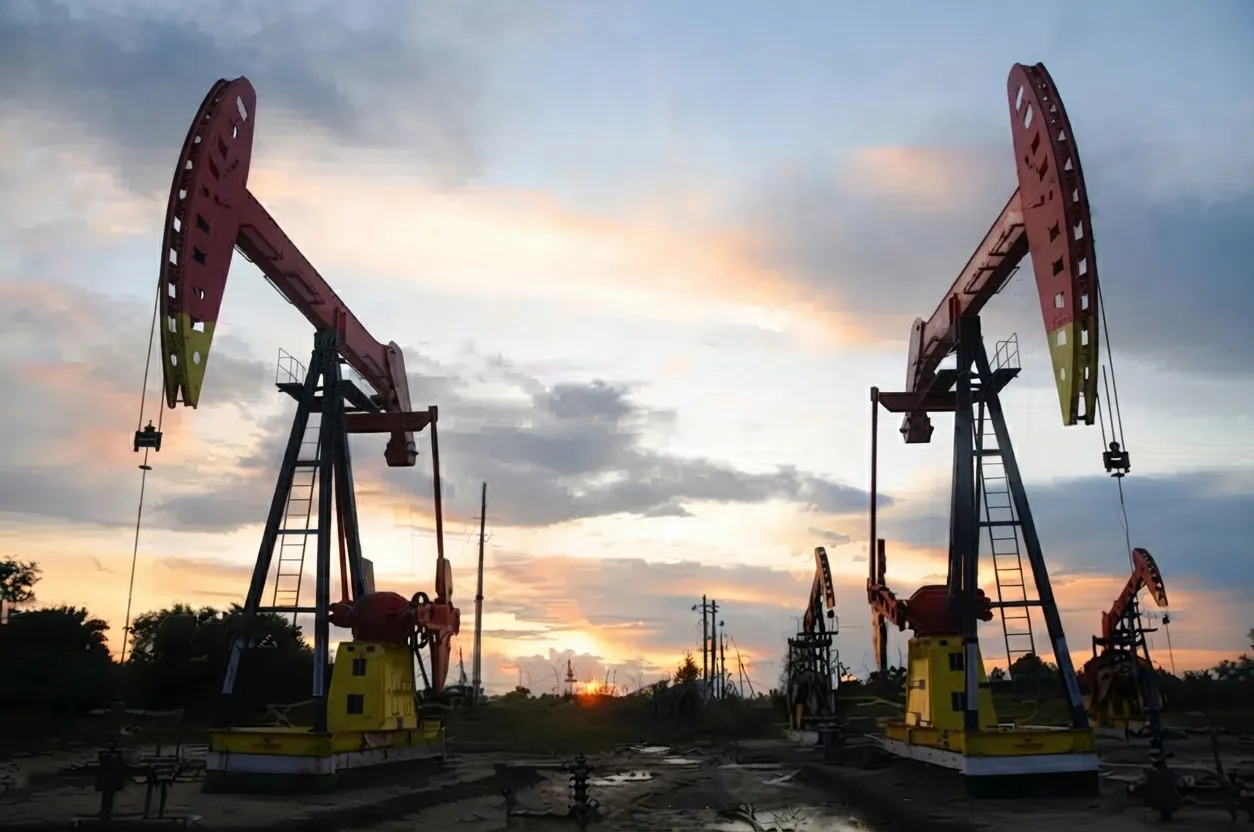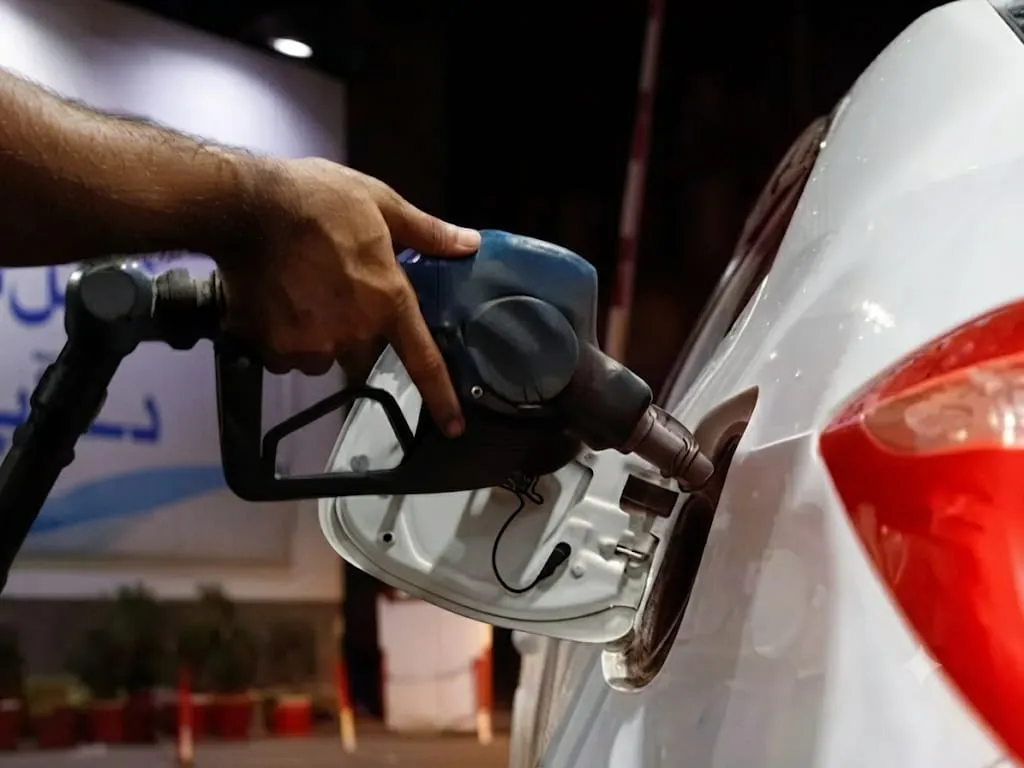
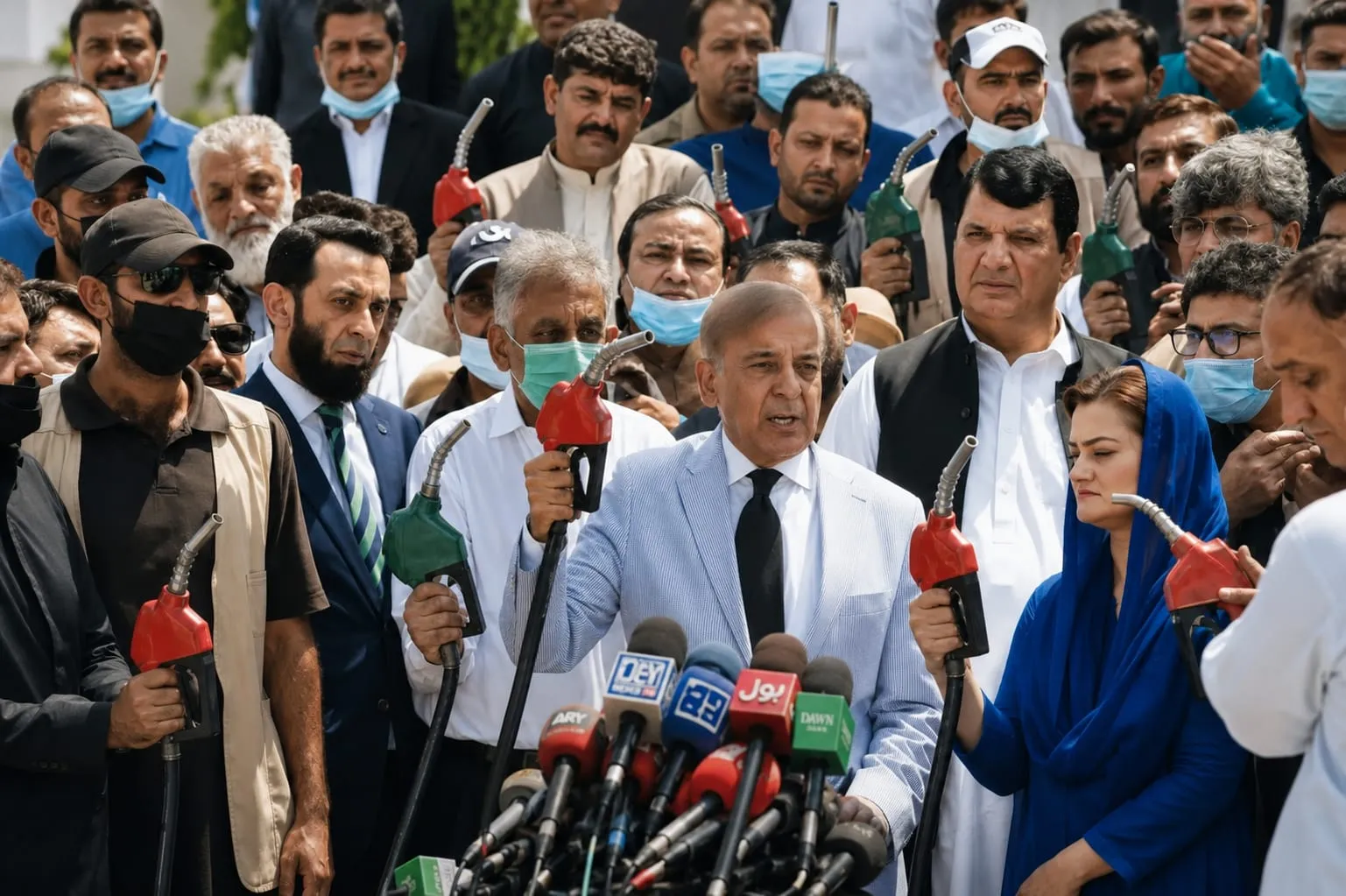
Global crude oil prices have climbed above $90 per barrel, increasing concerns about the impact of rising international energy costs on Pakistan’s domestic fuel prices.
The development comes at a time when petrol and diesel prices remain closely watched by motorists, transporters, businesses and consumers. Any sustained increase in international crude prices could create additional pressure on Pakistan’s fuel pricing structure.
Why Are Higher Oil Prices Important for Pakistan?
Pakistan relies heavily on imported petroleum products to meet its domestic energy requirements. As a result, changes in international crude oil prices can have a direct impact on the country’s fuel import bill and domestic petroleum prices.
When global oil prices rise, the cost of importing fuel can also increase. Depending on international market conditions, exchange rates, taxes and government pricing decisions, this may eventually translate into higher petrol and diesel prices for consumers.
Potential Impact on Consumers
A rise in fuel prices can affect more than just motorists.
Higher petrol and diesel costs can increase transportation expenses for commuters, public transport operators and logistics companies. Businesses that depend on transportation may also face higher operating costs.
These additional expenses can potentially influence the prices of goods and services, particularly products that require significant transportation from manufacturers or suppliers to markets.
Transport and Business Costs Could Rise
Pakistan’s transport sector is particularly sensitive to changes in fuel prices. From buses and trucks to delivery vehicles and commercial fleets, thousands of businesses depend on petroleum products every day.
If fuel costs increase significantly, transport operators may face higher expenses, which could eventually be reflected in freight charges, delivery costs and consumer prices.
Small businesses may also feel the impact as fuel is an important part of daily operating expenses for many retailers, distributors and service providers.
What Happens Next?
The impact of rising international oil prices on Pakistani consumers will depend on several factors, including the global crude oil market, the rupee-dollar exchange rate, domestic taxes and levies, and the government’s next petroleum price review.
A temporary increase in global oil prices does not necessarily mean an immediate domestic fuel price hike. However, if crude prices remain elevated for an extended period, pressure on the domestic pricing mechanism could increase.
Consumers Await the Next Fuel Price Decision
For millions of Pakistanis, the next official fuel price announcement will be closely watched. Petrol prices directly affect daily commuting, transportation and household budgets, while diesel prices are particularly important for commercial transport and logistics.
The rise in global crude prices therefore remains an important economic development for Pakistan.
Conclusion
The increase in international oil prices above $90 per barrel has renewed concerns about fuel costs in Pakistan. While the final impact will depend on global market trends and the government’s pricing decisions, sustained high crude prices could place additional pressure on motorists, businesses and consumers.
For now, consumers should follow official announcements before making assumptions about the next petrol or diesel price adjustment.
Disclaimer: This article is for informational purposes only and is based on publicly available reports. International oil prices and domestic fuel prices can change rapidly. Readers should verify the latest petrol and diesel prices through official sources. The accompanying image is AI-generated and for reference only.