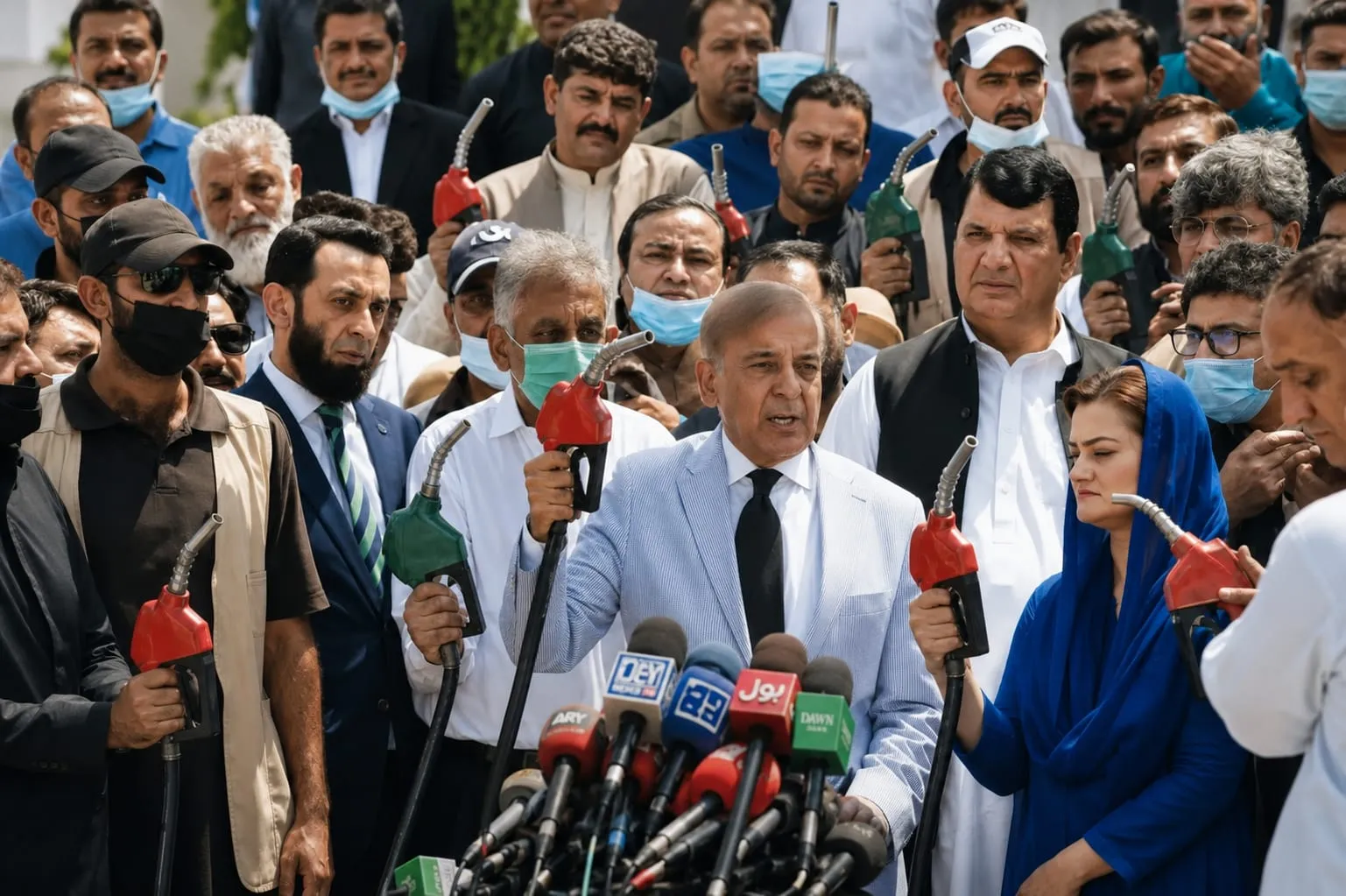
The Pakistan Petroleum Dealers Association (PPDA) has issued a 72-hour ultimatum to the government, demanding urgent action on a range of unresolved issues — chief among them, an increase in dealers' petrol sales margin to 8% — warning that petrol stations across the country could shut down indefinitely starting 6am on August 15 if their demands are not addressed.
The Core Demand: An 8% Petrol Sales Margin
At the center of the PPDA's ultimatum is a demand for the government to raise the petrol sales margin — the per-unit profit margin dealers earn on fuel sales — to 8%. This margin directly determines the financial viability of operating a petrol station, and dealers argue that the current margin structure is no longer sustainable given rising operating costs across the board.
Why Dealers Say They're Under Pressure
PPDA Chairman Malik Khuda Bakhsh outlined several specific factors contributing to the financial strain facing petroleum dealers nationwide:
1. The daily fuel pricing mechanism Pakistan's fuel pricing system, which involves frequent adjustments to retail fuel prices, was cited as a source of financial unpredictability for dealers, who must manage their operations amid constantly shifting price points.
2. Rising inflation Broader inflationary pressures affecting the overall cost of doing business were flagged as a significant contributing factor to dealers' financial difficulties.
3. Utility bills Increasing utility costs — electricity and other essential services required to operate a petrol station — were highlighted as an additional burden on dealers' operating budgets.
4. Salaries Rising wage costs for staff employed at petrol stations were also cited as part of the broader cost pressures facing dealers.
5. Operating costs Beyond the specific categories above, dealers pointed to overall rising operating costs more generally as part of the cumulative financial pressure driving their demand for a higher margin.
Criticism of the Company Allocation Policy
Beyond the margin increase, the PPDA also raised strong objections to the Company Allocation Policy — the framework governing how fuel supply is allocated to dealers by oil marketing companies. The association described the policy as discriminatory, calling for immediate reforms to make the allocation process fair and transparent.
While specific details of what makes the policy discriminatory were not fully outlined, this criticism suggests dealers perceive inconsistencies or inequities in how fuel supply is distributed among different petrol stations or dealer networks — a concern that, if unaddressed, could affect dealers' ability to reliably access and sell fuel.
The 72-Hour Ultimatum
The PPDA's ultimatum sets a clear and firm deadline: if the government does not take action to address these concerns within 72 hours, petrol stations across Pakistan could begin an indefinite shutdown starting at 6am on August 15.
This kind of time-bound ultimatum is a common escalation tactic used by industry associations to pressure government decision-makers into more urgent engagement, particularly after previous rounds of discussion or negotiation may not have yielded a satisfactory resolution.
Potential Impact of a Nationwide Shutdown
Should the threatened shutdown proceed, the consequences could be significant and wide-reaching:
- Commuters could face immediate difficulty accessing fuel for personal and daily transportation needs
- Businesses reliant on fuel for operations, logistics, and delivery services could experience significant disruption
- Transport operators, already potentially affected by related supply chain pressures, could see compounded difficulties in maintaining normal operations
- The broader economy could feel ripple effects across sectors dependent on consistent fuel access, from agriculture to retail and manufacturing
Why This Standoff Matters
1. A test of dealer-government relations This ultimatum reflects an escalating standoff between petroleum dealers and the government, with the coming 72 hours likely to be critical in determining whether a negotiated resolution can be reached before the threatened shutdown deadline.
2. Structural concerns beyond pricing The inclusion of the Company Allocation Policy criticism alongside the margin demand suggests that dealers' concerns extend beyond simple pricing issues to broader structural and systemic issues within how fuel supply and dealer operations are managed.
3. Balancing dealer sustainability with consumer impact The government faces a difficult balancing act: addressing dealers' legitimate cost pressures and margin concerns, while also weighing the potential impact of any margin increase on retail fuel prices for consumers already sensitive to cost changes.
4. Precedent for future industry negotiations How this specific standoff is resolved — whether through negotiation, partial concessions, or an actual shutdown — could set a precedent for how similar industry disputes are handled going forward.
What Happens Next
With the 72-hour clock now running, the key question is whether the government will engage with the PPDA's demands quickly enough to avert the threatened shutdown, or whether petrol stations across Pakistan will indeed begin shutting down from 6am on August 15, triggering the wide-reaching disruptions outlined above.
Conclusion
The Pakistan Petroleum Dealers Association's 72-hour ultimatum represents a significant escalation in the ongoing dispute between fuel dealers and the government, driven by demands for an increased petrol sales margin and reform of the Company Allocation Policy. With PPDA Chairman Malik Khuda Bakhsh citing mounting financial pressures from inflation, utility costs, salaries, and the daily fuel pricing mechanism, the coming days will be critical in determining whether Pakistan faces a significant nationwide fuel supply disruption starting August 15.
Disclaimer: This post is for information, based on available reports at the time of publication. The image referenced in the original social media post is AI-generated and is for reference only.