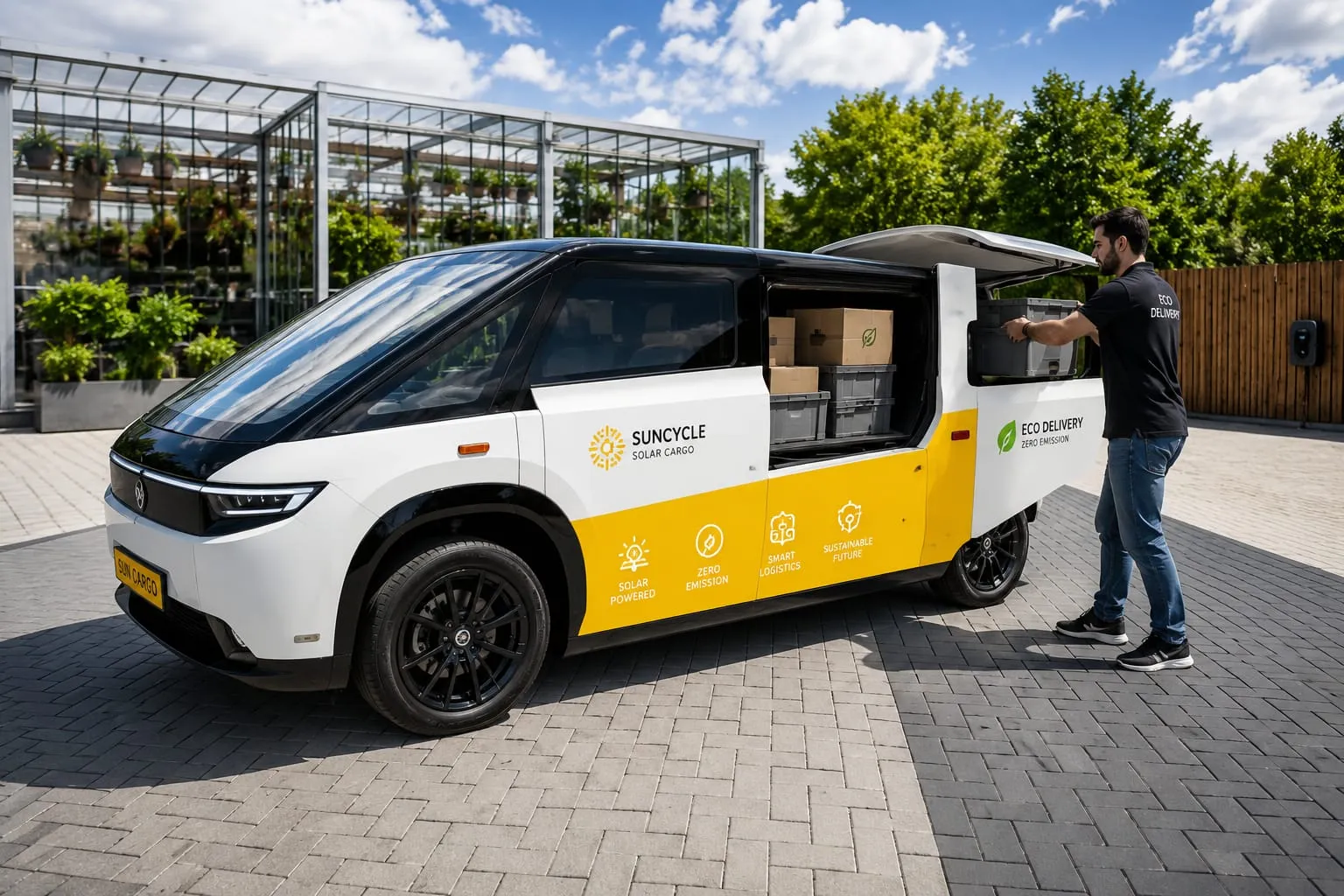
A group of students from Eindhoven University of Technology has developed an innovative healthcare solution called Stella Juva, described as the world’s first solar-powered ambulance designed to provide medical services in remote areas.
The project combines renewable energy, electric mobility, and healthcare technology to create a mobile medical unit capable of reaching communities where traditional healthcare facilities may be difficult to access.
Unlike conventional ambulances that primarily focus on transporting patients, Stella Juva is designed to bring healthcare directly to people.
A Different Approach to Emergency and Community Healthcare
Healthcare access remains a major challenge in many remote regions around the world.
Communities located far from hospitals often face difficulties accessing:
- Preventive healthcare
- Medical testing
- Vaccination programs
- Regular health monitoring
Stella Juva aims to address this challenge by operating as a mobile healthcare facility that can travel directly to underserved communities.
How Does Stella Juva Work?
The solar-powered ambulance uses renewable energy technology to support both transportation and medical operations.
Solar-Powered Design
The vehicle is equipped with rooftop solar panels that help generate clean energy.
This reduces dependence on traditional fuel sources and supports sustainable healthcare delivery.
Battery Technology
Stella Juva includes a 50 kWh battery system that stores energy and allows the vehicle to operate medical equipment during healthcare missions.
Long-Distance Capability
According to reports, the ambulance can travel up to 715 kilometres on a sunny day, making it suitable for reaching distant communities.
Healthcare Services Available Through Stella Juva
The vehicle is designed not just for transportation but for delivering healthcare services directly to people.
Possible services include:
Vaccination Programs
The mobile unit can support vaccination campaigns in areas where healthcare facilities are limited.
Medical Testing
Basic health assessments and blood tests can be performed within the mobile healthcare environment.
Pregnancy Care
The ambulance can support pregnancy monitoring through ultrasound services, helping improve access to maternal healthcare.
Disease Screening
Early detection and screening programs can help identify health issues before they become serious.
Testing in Kenya
The solar-powered ambulance is expected to undergo field testing in Kenya, where remote healthcare access remains an important challenge.
Following field trials, the project will be showcased across Europe to encourage discussion and adoption of sustainable healthcare solutions.
The Role of Renewable Energy in Healthcare
Renewable energy is increasingly becoming important in healthcare, especially in areas where reliable electricity access is limited.
Solar-powered healthcare solutions can help:
- Reduce operating costs
- Lower carbon emissions
- Improve healthcare availability
- Support remote medical services
The combination of clean energy and healthcare technology could create new possibilities for communities worldwide.
Innovation for a Sustainable Future
Stella Juva represents a growing trend where technology is being used to solve social and environmental challenges.
Projects like this demonstrate how engineering students and researchers can contribute to practical solutions that improve quality of life.
By combining electric mobility, renewable energy, and medical innovation, solar-powered healthcare vehicles could become an important part of future healthcare systems.
Conclusion
The development of Stella Juva marks an exciting step toward sustainable and accessible healthcare.
By transforming an ambulance into a mobile medical center powered by renewable energy, the project shows how innovation can help overcome healthcare challenges in remote regions.
As testing continues, the technology could inspire future solutions for delivering medical services in areas that need them most.
Disclaimer: This article is for informational purposes only and is based on available reports. The image used is AI generated and for reference only.