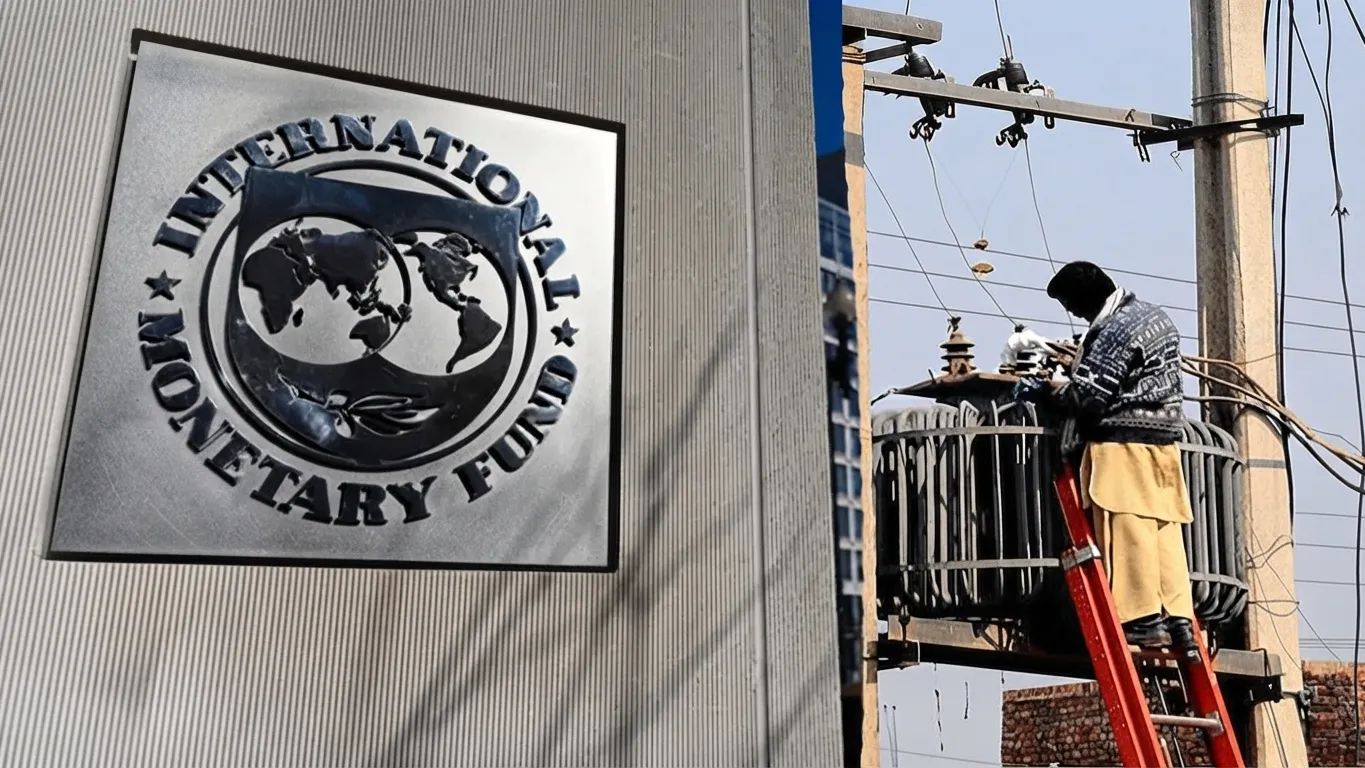
The International Monetary Fund (IMF) has urged Pakistan to ensure timely increases in electricity and gas tariffs to address financial challenges in the energy sector and control circular debt, as part of a broader set of recommendations aimed at improving the sector's long-term financial stability.
The IMF's Core Recommendations
According to the Fund's guidance, several key measures have been recommended to address Pakistan's ongoing energy-sector challenges:
1. Timely electricity and gas tariff increases The IMF specifically emphasized the importance of ensuring tariff increases occur on time, rather than being delayed — suggesting that past delays in implementing tariff adjustments may have contributed to some of the sector's financial difficulties.
2. Reducing power-sector losses The Fund stressed the need to address losses within the power sector, which can stem from various sources including transmission inefficiencies and unrecovered costs.
3. Improving revenue collection Strengthening the effectiveness of revenue collection processes was highlighted as a key area for improvement, ensuring that billed amounts are more reliably and fully collected.
4. Curbing electricity theft Addressing electricity theft — the unauthorized or illegal consumption of electricity without proper billing — was specifically flagged as an area requiring attention, given its direct impact on the sector's revenue losses.
5. Strengthening the financial performance of energy companies More broadly, the IMF called for improvements to the overall financial health and performance of companies operating within the energy sector.
6. Regular, cost-based gas tariff adjustments For the gas sector specifically, the Fund recommended regular adjustments to tariffs based on actual costs, aimed at preventing further financial losses and reducing the sector's reliance on government financial support.
Understanding Circular Debt
Circular debt refers to a chain of unpaid or delayed payment obligations that accumulate across various players within the energy supply chain — from power generation companies to distribution companies to fuel suppliers — often stemming from a gap between the actual cost of providing electricity or gas and the revenue collected through tariffs and billing. This accumulated debt has been a longstanding and significant challenge within Pakistan's energy sector, with the IMF's recommendations directly aimed at addressing its root causes.
The Trade-Off: Sector Stability vs. Consumer Affordability
A central tension highlighted in these recommendations is the trade-off between energy-sector financial stability and consumer affordability. While the IMF's recommended reforms — particularly timely and cost-based tariff increases — could help improve the energy sector's financial health and reduce circular debt accumulation, higher tariffs may increase financial pressure on households and businesses, given the direct impact of electricity and gas costs on both household budgets and business operating expenses.
Why This Balancing Act Matters
1. Household budget pressures For everyday households, increases in electricity and gas tariffs translate directly into higher utility bills, representing a tangible and immediate financial impact, particularly relevant amid broader considerations of household affordability and cost-of-living pressures.
2. Business and industrial cost implications For businesses, particularly those in energy-intensive industries, higher tariffs can directly affect operating costs, potentially influencing production costs, competitiveness, and broader business viability.
3. The government's policy balancing challenge The government faces a genuine policy challenge in implementing the IMF's recommended reforms — which are aimed at long-term sector sustainability — while managing the near-term financial impact these changes could have on consumers and businesses already navigating broader economic pressures.
Why Addressing These Root Causes Matters Long-Term
1. Reducing dependency on government support By recommending cost-based, regularly adjusted tariffs, the IMF's guidance aims to reduce the energy sector's reliance on ongoing government financial support, potentially freeing up fiscal resources for other priorities over time.
2. Addressing structural losses rather than just symptoms Recommendations around reducing power-sector losses, improving revenue collection, and curbing electricity theft target the underlying structural issues contributing to circular debt, rather than simply addressing the debt through tariff increases alone.
3. Long-term energy sector sustainability Collectively, these reforms are aimed at building a more financially sustainable energy sector over the long term — one less prone to the recurring buildup of circular debt that has historically posed challenges for Pakistan's energy infrastructure and broader economic stability.
What This Means Going Forward
As Pakistan continues to navigate its broader economic reform program, these IMF recommendations regarding the energy sector are likely to remain a significant and closely watched area of policy implementation. The government's approach to balancing these structural reforms against consumer affordability concerns will likely continue to be a subject of ongoing public and policy attention.
Conclusion
The IMF's recommendations for Pakistan to ensure timely electricity and gas tariff increases, alongside broader efforts to reduce power-sector losses, curb electricity theft, and improve revenue collection, reflect a comprehensive approach to addressing the country's longstanding energy-sector financial challenges and circular debt problem. While these reforms carry genuine potential to improve energy-sector stability over the long term, the government faces a real and ongoing challenge in balancing these structural reforms against the immediate financial pressures higher tariffs could place on households and businesses across Pakistan.
Disclaimer: This post is for informational purposes only and is based on publicly available reports. The image referenced in the original social media post is AI generated and is for reference only. This article does not constitute financial or economic policy advice.