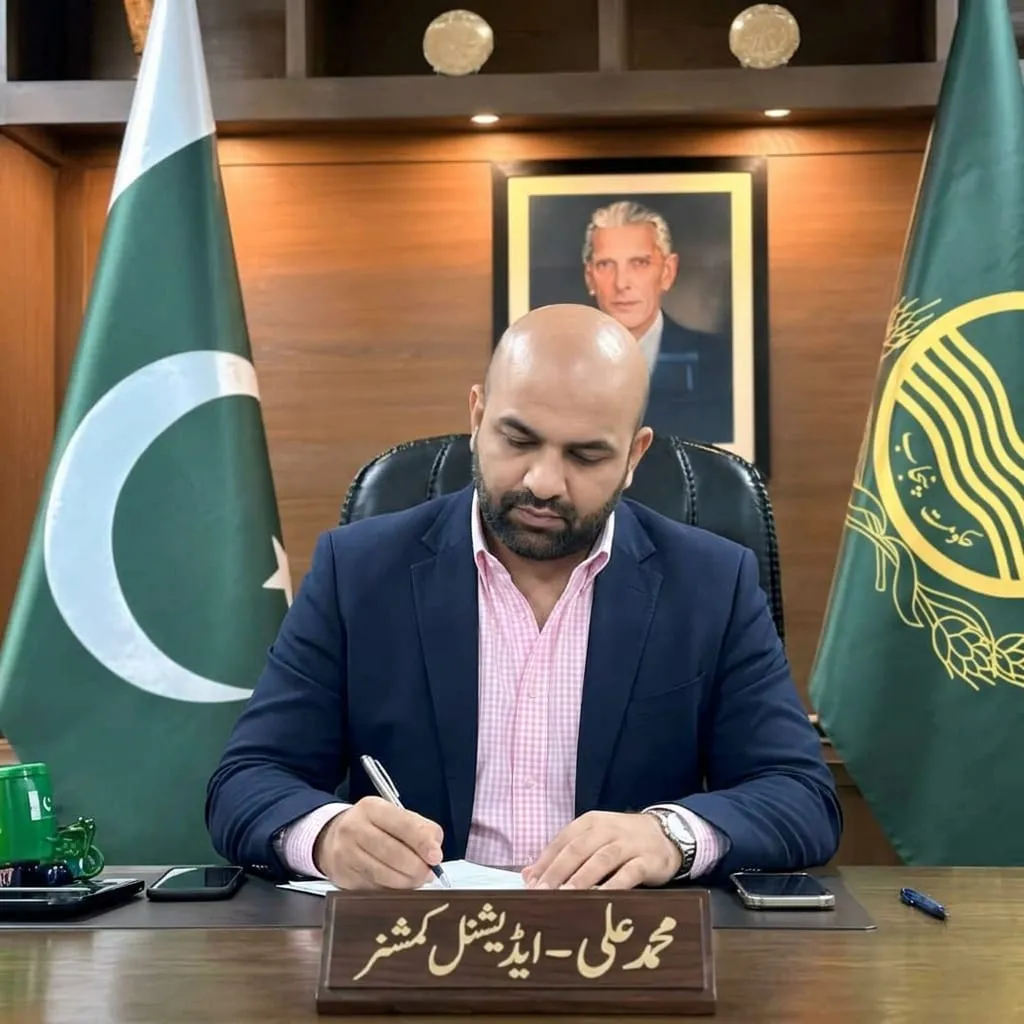
Punjab’s Education Minister has used a striking medical analogy to describe the province’s approach to education reform, saying that “for 71 years, the education system got injections; now we’ve performed surgery.”
The statement reflects the government’s view that Pakistan’s education challenges require more than temporary interventions and instead demand deeper structural reforms.
A Shift From Short-Term Fixes to Structural Reform
For decades, Pakistan’s education sector has faced a range of challenges, including differences in educational quality, learning outcomes, teacher development, curriculum delivery and school management.
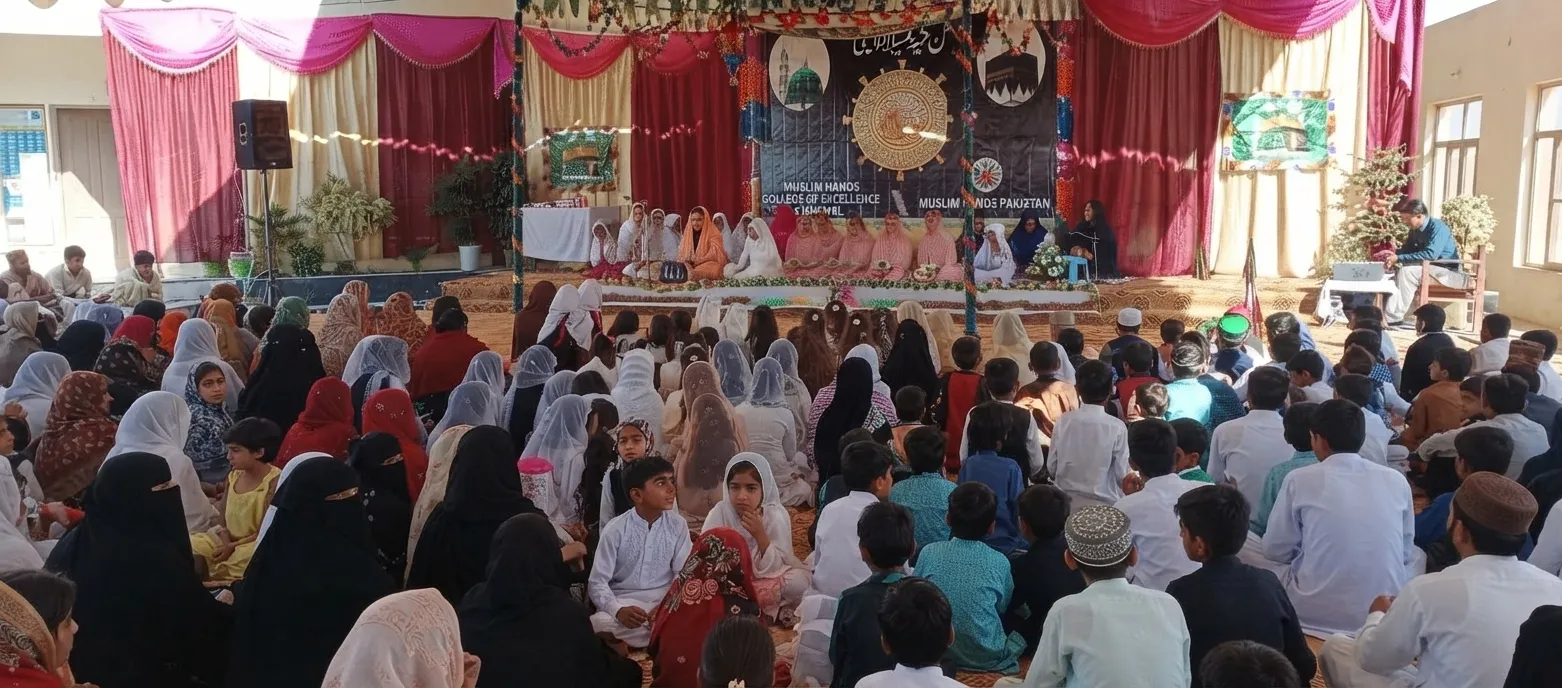
Punjab, as the country’s largest province by population, faces particular pressure to provide quality education to a very large number of students.
The minister’s statement suggests that the government wants to move beyond isolated measures and focus on broader changes to the system.
Why Education Reform Matters
Education plays a central role in Pakistan’s economic and social development.
A stronger education system can help students develop:
- Critical-thinking skills
- Communication abilities
- Digital literacy
- Problem-solving skills
- Creativity
- Technical knowledge
- Practical workplace skills
The quality of education also affects the country’s future workforce and its ability to compete in an increasingly technology-driven global economy.
Moving Beyond Rote Learning
One of the major challenges frequently associated with South Asian education systems is an emphasis on memorisation rather than practical understanding.
Modern education increasingly focuses on helping students understand concepts, apply knowledge and solve real-world problems.
For Punjab, reforms that encourage activity-based learning, creativity and practical skills could potentially help students become better prepared for higher education and employment.
Teachers Remain Central to Reform
No education reform can succeed without effective teachers.
Curriculum changes, new textbooks and digital technologies can support education, but teachers remain responsible for delivering learning inside classrooms.
Teacher training and professional development are therefore likely to remain important components of any meaningful education reform programme.
Better training can help teachers adopt modern teaching methods and respond more effectively to different learning needs.
Improving Education Quality Across Punjab
Punjab contains schools serving communities with very different socioeconomic conditions.
Ensuring that students receive comparable educational opportunities remains one of the biggest challenges for policymakers.
Education reforms therefore need to address not only curriculum but also:
- School infrastructure
- Teacher availability
- Classroom quality
- Student attendance
- Assessment methods
- Digital learning
- School management
- Access to educational resources
From Announcements to Results
While major reform announcements can generate optimism, the long-term success of an education policy depends on implementation.
Parents, teachers and students will ultimately judge reforms based on measurable improvements in classroom learning.
Important indicators could include student learning outcomes, attendance, teacher performance, school facilities and completion rates.
Transparent monitoring and regular evaluation can help determine whether reforms are producing the intended results.
What Could the Future Look Like?
Punjab’s education reforms could represent an important opportunity to modernise the province’s education system.
If structural changes are properly implemented and supported by teachers, administrators and communities, they could help improve educational outcomes for millions of students.
However, education transformation is a long-term process. Sustainable progress requires consistent policy implementation, adequate funding, teacher development and regular assessment.
Conclusion
The Punjab Education Minister’s statement — “For 71 years, the education system got injections; now we’ve performed surgery” — captures the government’s intention to pursue deeper changes in education rather than relying solely on temporary measures.
The real test will now be implementation.
For millions of students across Punjab, the success of these reforms will ultimately be measured not by announcements, but by what changes inside classrooms.
Disclaimer: This article is for informational purposes only and is based on publicly available reports. The quoted statement and details of reforms should be verified through official Punjab government and education department sources.