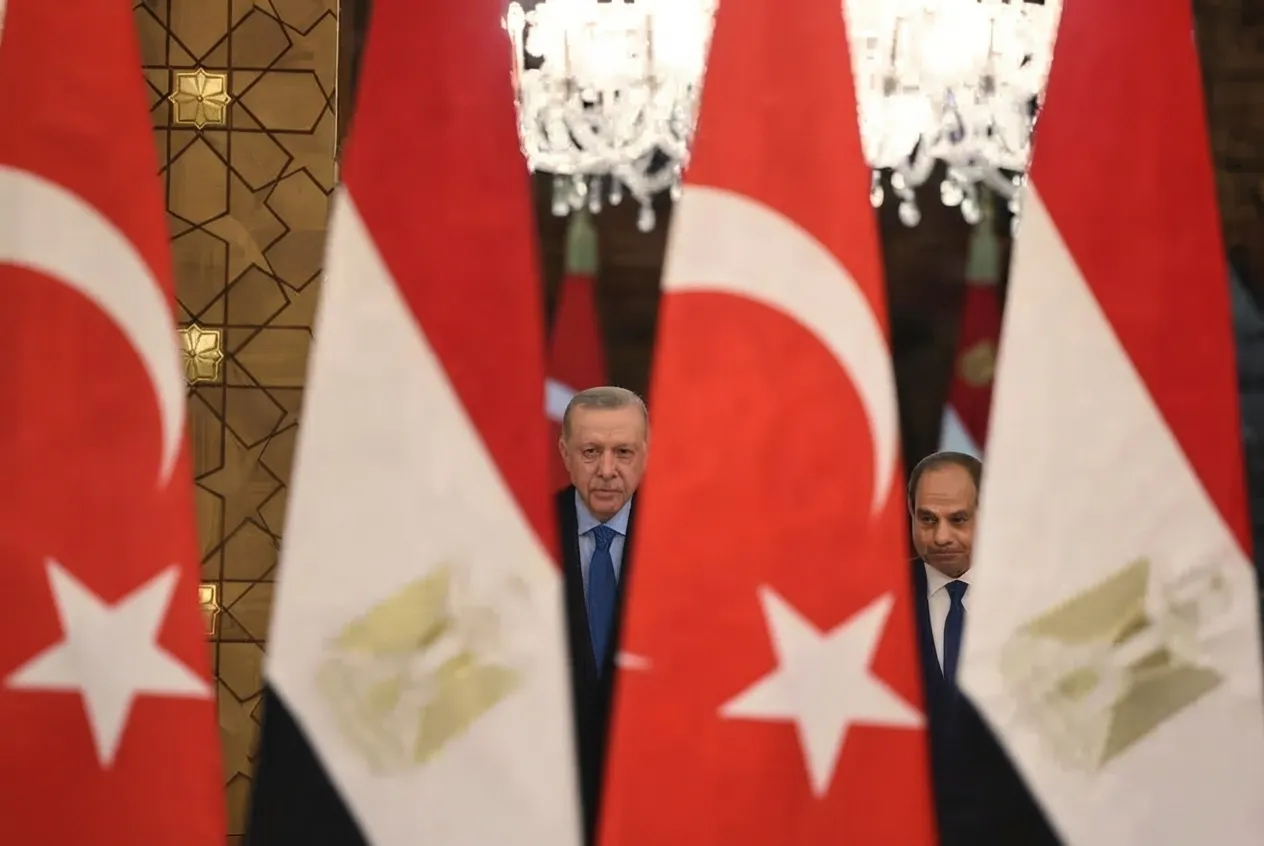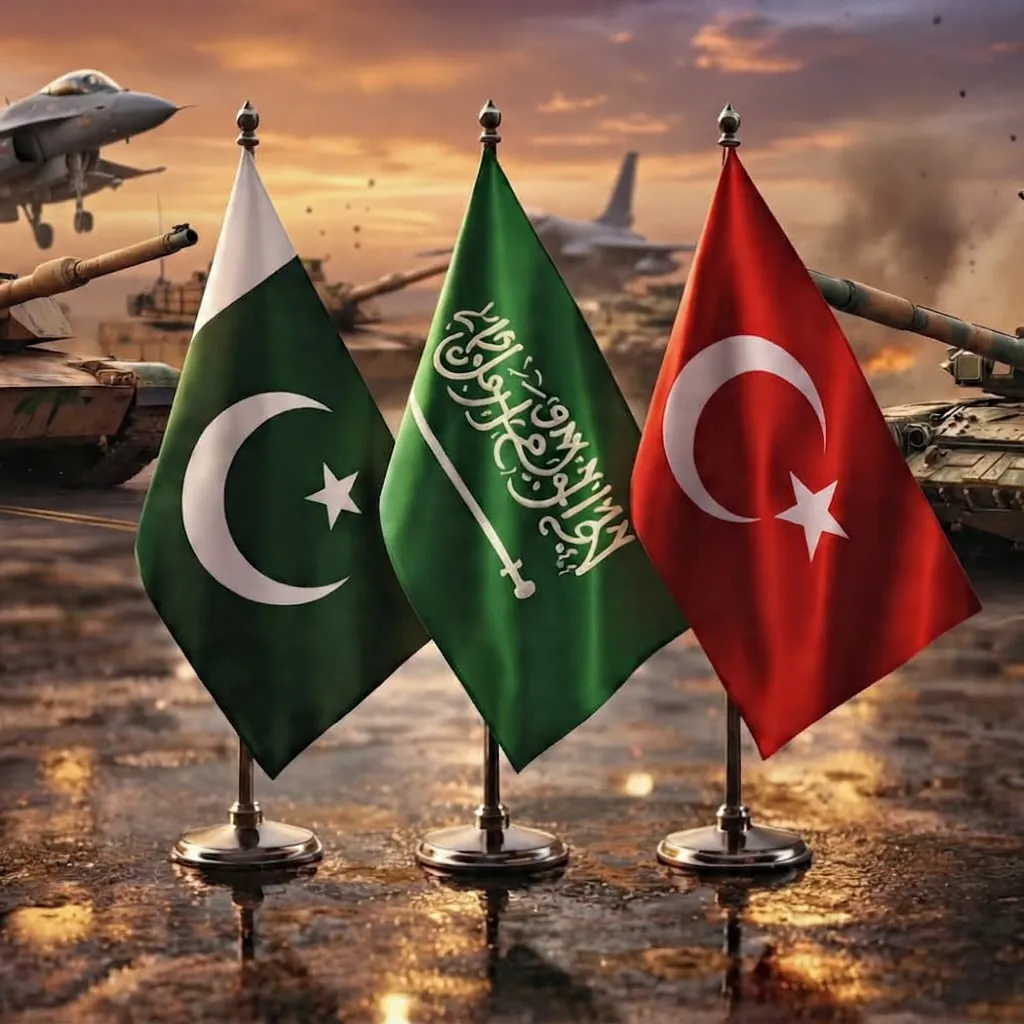
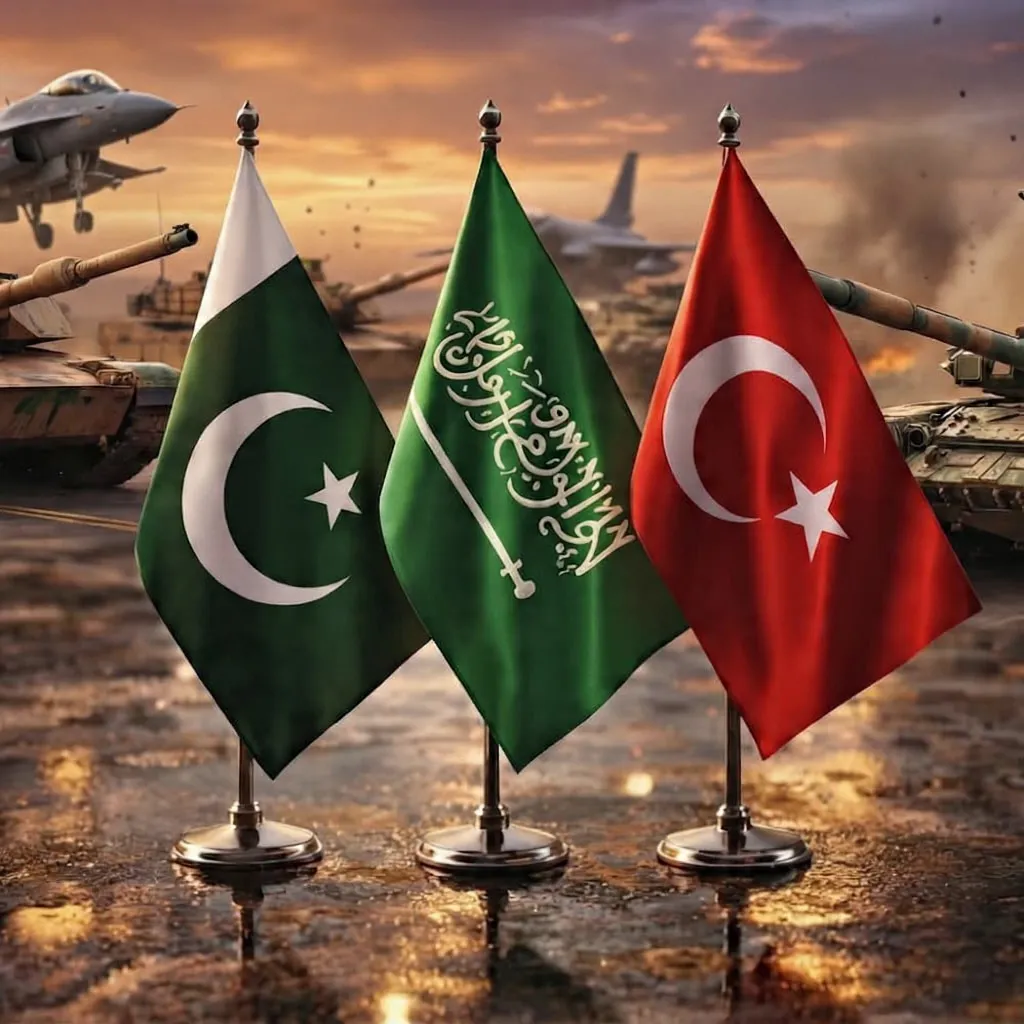
A new analysis by the Council on Foreign Relations (CFR) suggests that the U.S.-led order in the Middle East is facing a major shift, pointing to the August 7 Mecca Joint Defense Agreement between Pakistan, Saudi Arabia, and Turkey as a signal of growing efforts by regional powers to build a more independent security framework.
The Mecca Joint Defense Agreement
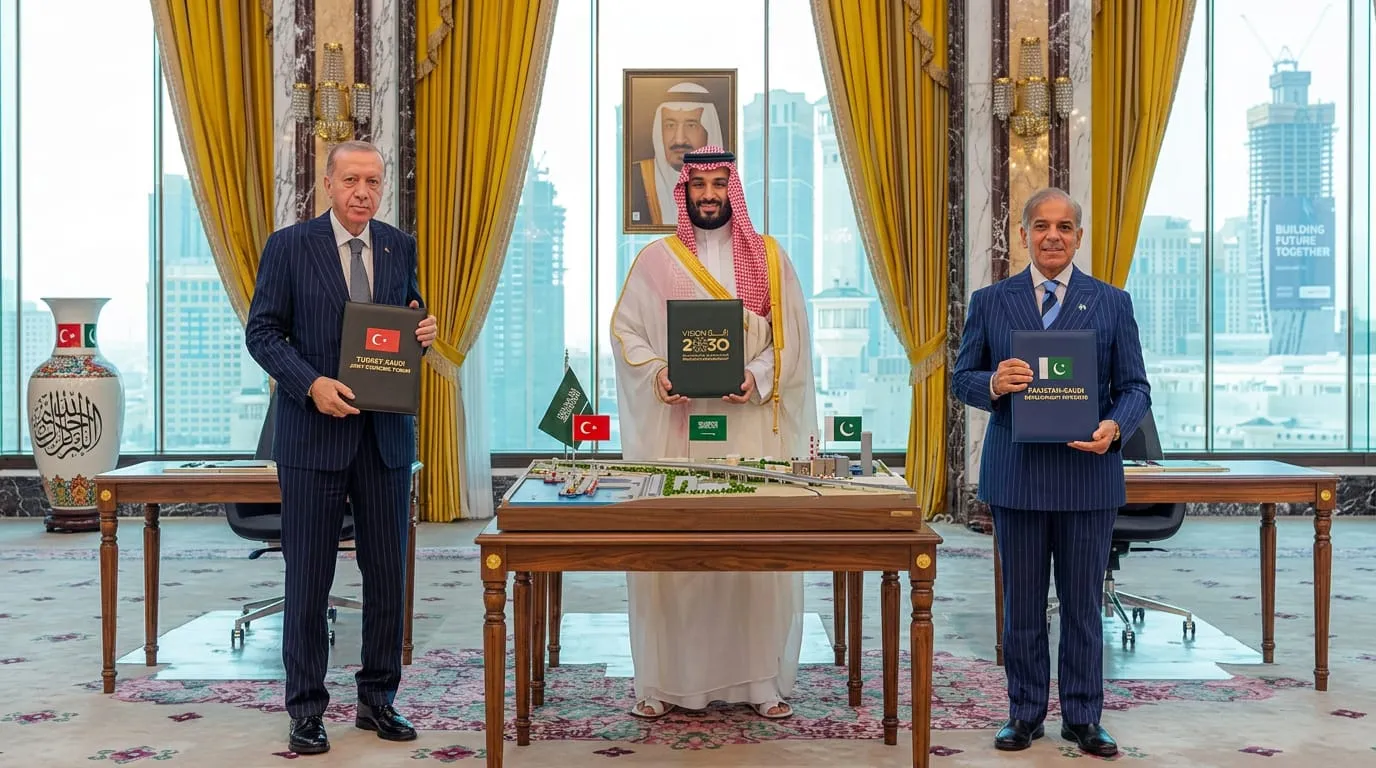
The agreement at the center of this analysis was signed on August 7, bringing together Pakistan, Saudi Arabia, and Turkey under a shared defence and security framework. According to the CFR analysis, this pact reflects a broader regional trend toward deeper security cooperation among these countries, potentially reducing reliance on external security guarantees that have historically anchored the region's strategic architecture.
What the Analysis Suggests
According to the CFR's assessment, this agreement carries several notable implications:
1. Concerns over Washington's reliability The analysis points to the agreement as reflecting underlying concerns over the reliability of the United States as a security guarantor in the region — a factor analysts suggest may be motivating regional powers to pursue more independent security arrangements.
2. Rising influence of Pakistan and Turkey in Gulf affairs The pact is also seen as highlighting the growing influence of Pakistan and Turkey specifically within Gulf regional affairs, suggesting a shift in the broader balance of regional influence beyond the traditional Gulf states and their historical security partnerships.
3. A potential challenge to the U.S.-backed regional structure Analysts cited in the CFR analysis suggest that this agreement could challenge the long-standing U.S.-backed regional security structure that has underpinned much of the Middle East's strategic architecture in recent decades.
4. The possibility of competing blocs The analysis also raises the possibility that this agreement could contribute to the emergence of competing regional blocs, potentially existing alongside the Abraham Accords — the set of normalization agreements between Israel and several Arab states established in recent years under U.S. sponsorship.
Understanding the Broader Context
To fully appreciate the significance being attributed to this agreement, it helps to consider the broader regional security context it's emerging within:
The traditional U.S.-backed order: For decades, the Middle East's security architecture has been significantly shaped by U.S. military presence, security guarantees, and diplomatic influence, particularly among Gulf states and other key regional partners.
The Abraham Accords: These normalization agreements, established under U.S. sponsorship, represented a significant U.S.-backed diplomatic achievement in reshaping regional relationships, particularly between Israel and various Arab nations.
Emerging alternative frameworks: Against this backdrop, the Mecca Joint Defense Agreement is being interpreted by CFR analysts as a potential step toward regional powers establishing security arrangements less dependent on U.S. involvement or guarantee.
Why This Analysis Matters
1. A significant interpretive framework, not a settled conclusion It's important to note that this represents one analytical perspective — from the Council on Foreign Relations specifically — on the agreement's significance and implications. While CFR is a well-regarded foreign policy think tank, its assessment reflects analytical interpretation rather than a definitive or universally agreed-upon characterization of the agreement's ultimate impact.
2. Potential long-term implications for regional alliances If the trends identified in this analysis do materialize as suggested, it could indicate a meaningful long-term shift in how Middle Eastern security alliances and partnerships are structured, with growing roles for regional powers like Pakistan and Turkey.
3. Questions about the future of U.S. regional influence This analysis touches on broader, ongoing questions about the trajectory of U.S. influence and strategic partnerships in the Middle East — a topic that remains subject to considerable debate among foreign policy analysts, with differing views on the extent and permanence of any such shift.
4. The complexity of regional alliance structures The suggestion of "competing blocs" alongside the Abraham Accords points to an increasingly complex and potentially multipolar regional security landscape, rather than a single, unified alliance structure — a dynamic that could have significant implications for how regional and global powers navigate Middle East diplomacy going forward.
A Note on Interpretation
As with any geopolitical analysis of this nature, it's worth approaching these conclusions with appropriate context: assessments about shifting alliances, declining influence, or emerging blocs often reflect informed interpretation of available signals rather than confirmed, settled outcomes. Other analysts and stakeholders may offer different readings of the same agreement — for instance, viewing it as a complementary regional security initiative rather than a direct challenge to existing U.S.-backed structures. The full long-term significance of the Mecca Joint Defense Agreement will likely only become clearer as regional dynamics continue to evolve.
Conclusion
The Council on Foreign Relations' analysis of the August 7 Mecca Joint Defense Agreement between Pakistan, Saudi Arabia, and Turkey offers a notable perspective on potential shifts within the Middle East's security order — one that points to growing regional efforts toward independent security cooperation, possible concerns over U.S. reliability, and the rising regional influence of Pakistan and Turkey. While this analysis presents a significant interpretive framework, the actual long-term trajectory of Middle Eastern geopolitics, and the ultimate role of agreements like this one, will continue to unfold and be shaped by ongoing diplomatic and strategic developments in the region.
Disclaimer: This post is for informational purposes only and is based on publicly available reports. The image referenced in the original social media post is AI generated and is for reference only. This article presents the Council on Foreign Relations' analytical perspective and does not represent a definitive assessment of the agreement's geopolitical significance.