
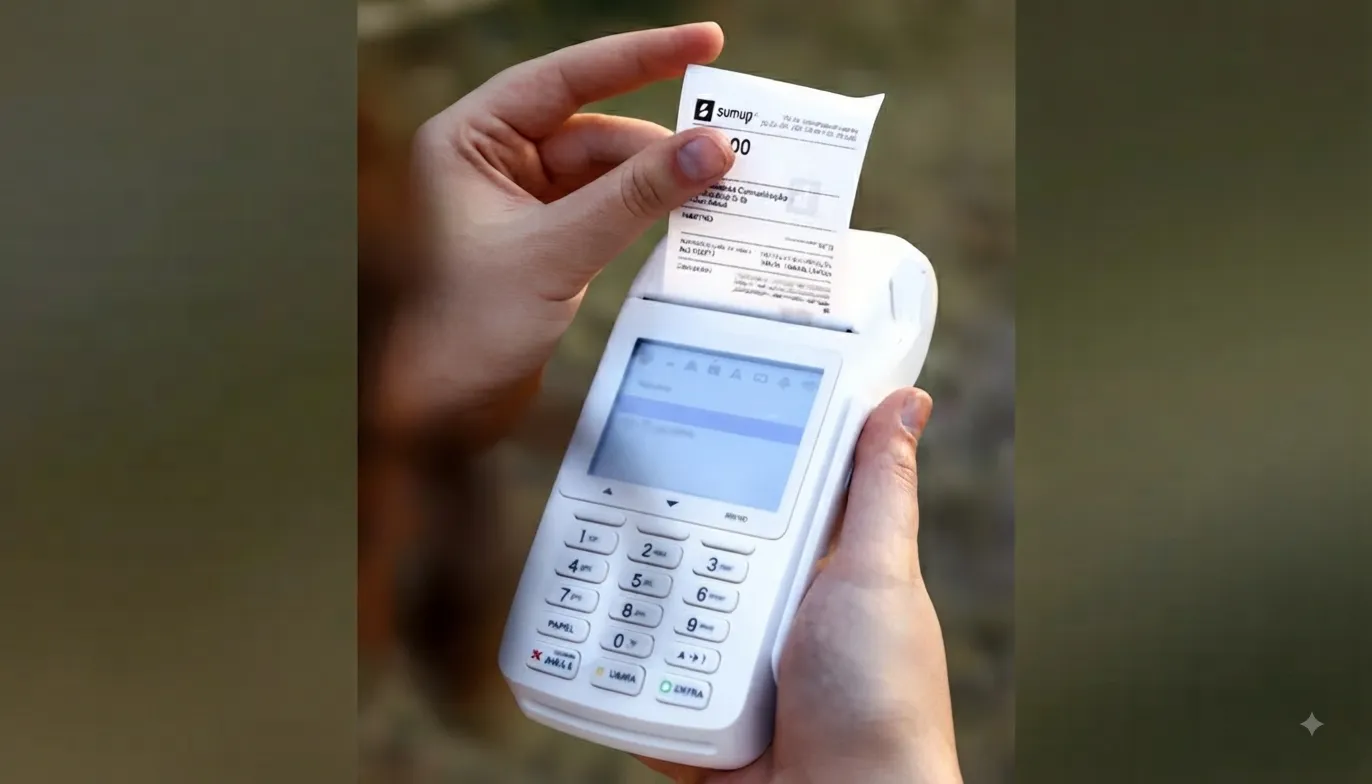
The Punjab government has introduced stricter measures to improve tax compliance and curb tax evasion by banning handwritten receipts at restaurants, hotels, coffee shops and marriage halls across the province.
Under directives issued by the Punjab Revenue Authority (PRA), businesses covered by the new requirements must issue customer receipts through the Electronic Invoice Monitoring System (EIMS) instead of relying on handwritten slips or informal payment records.
The move is part of a broader push toward digital tax monitoring and greater transparency in the services sector.
Businesses Must Issue Digital Receipts
The new rules require relevant businesses to generate official customer receipts through the EIMS. This means handwritten receipts will no longer be accepted as valid customer invoices where the digital invoicing requirements apply.
The system is intended to provide authorities with better visibility into business transactions and help ensure that sales and applicable taxes are properly recorded.
Restaurants, hotels, coffee shops and marriage halls are among the businesses affected by the directive.
Fines for Non-Compliance
Businesses that fail to follow the new receipt requirements could face significant financial penalties.
According to the reported directives, violations may result in fines ranging from Rs400,000 to Rs1 million. Repeat violations could carry even stricter consequences, including the possibility of closure for up to one month.
The penalties are intended to encourage businesses to adopt the required digital invoicing procedures and prevent repeated violations.
Kitchen Slips and Unpaid Bills Cannot Replace Official Receipts
The PRA has also clarified that certain documents commonly used during transactions cannot be treated as official customer receipts.
Kitchen order slips, unpaid bills and similar internal documents cannot be used as substitutes for the required receipt.
This distinction is important because an order slip may simply record a customer's order, while an official receipt provides a formal record of the completed transaction and relevant tax information.
What Should an Official Receipt Include?
Customers should check whether the receipt they receive contains the required information.
The reported requirements include important business details, a receipt or invoice number and the PRA QR code.
The inclusion of a QR code can also help improve transparency by providing customers with a way to verify or interact with the digital tax record, depending on the applicable system and official procedures.
Why Is Punjab Moving Toward Digital Receipts?
Digital invoicing can help tax authorities monitor transactions more efficiently than traditional handwritten records.
Handwritten receipts can be difficult to track, store and verify, while electronic records can provide a more structured way of monitoring business activity.
For the government, the transition is expected to support several objectives, including:
- Improving tax documentation
- Reducing opportunities for tax evasion
- Increasing transparency in business transactions
- Strengthening digital tax monitoring
- Improving revenue collection
- Creating more reliable transaction records
The initiative also reflects the wider shift toward digital systems in taxation and financial administration.
What Does This Mean for Customers?
For customers visiting restaurants, hotels, coffee shops and marriage halls, the changes mean that they may increasingly receive digitally generated receipts rather than handwritten slips.
Consumers can play a role in improving compliance by requesting an official receipt after making a payment.
Customers should also pay attention to the information printed on the receipt, particularly the business details, receipt number and PRA QR code where applicable.
Keeping official receipts can also be useful for maintaining personal spending records and resolving potential billing disputes.
What Does This Mean for Businesses?
Businesses covered by the directive will need to ensure that their invoicing systems comply with the PRA's requirements.
This may require businesses that still rely on manual receipts to adopt or properly configure digital invoicing systems and train their staff to use them.
Business owners should also ensure that their receipts contain the information required by the authorities and that staff members understand the difference between internal order documents and official customer receipts.
Failure to comply could expose businesses to substantial penalties and other enforcement measures.
A Step Toward Greater Tax Transparency
Punjab's move to eliminate handwritten receipts in covered businesses represents another step toward digitizing the province's tax administration.
As governments increasingly use technology to monitor commercial activity, digital invoicing is becoming an important tool for improving transparency and strengthening tax collection.
For businesses, compliance will be increasingly important as digital monitoring expands. For customers, requesting and checking official receipts can help ensure that transactions are properly documented.
The effectiveness of the initiative will ultimately depend on consistent enforcement, reliable digital systems and awareness among both businesses and consumers.
Disclaimer
This article is for informational purposes only and is based on publicly available reports. Tax rules, penalties, implementation procedures and business requirements may change. Businesses and consumers should verify the latest requirements directly through official Punjab Revenue Authority sources before making compliance-related decisions. The accompanying image is AI generated and is for reference purposes only.