Pakistan’s government has approved the long-awaited Brownfield Refining Policy after six years, marking a significant development for the country’s energy sector.
The policy is expected to encourage nearly $6 billion in investment for upgrading existing oil refineries, improving fuel production capacity, and strengthening Pakistan’s energy security.
The initiative focuses on transforming existing refinery infrastructure to meet modern industry standards while reducing dependence on imported petroleum products.
What Is the Brownfield Refining Policy?
A brownfield policy focuses on upgrading and expanding existing industrial facilities rather than building completely new projects.
In Pakistan’s petroleum sector, the policy aims to help existing refineries modernise their operations, improve efficiency, and increase production capabilities.
The government believes this approach can deliver faster improvements by utilising already established refinery infrastructure.
Key Objectives of the Policy
The Brownfield Refining Policy includes several major goals:
Modernisation of Existing Refineries
The policy encourages refinery upgrades to improve operational efficiency and align Pakistan’s petroleum sector with international standards.
Increased Petrol and Diesel Production
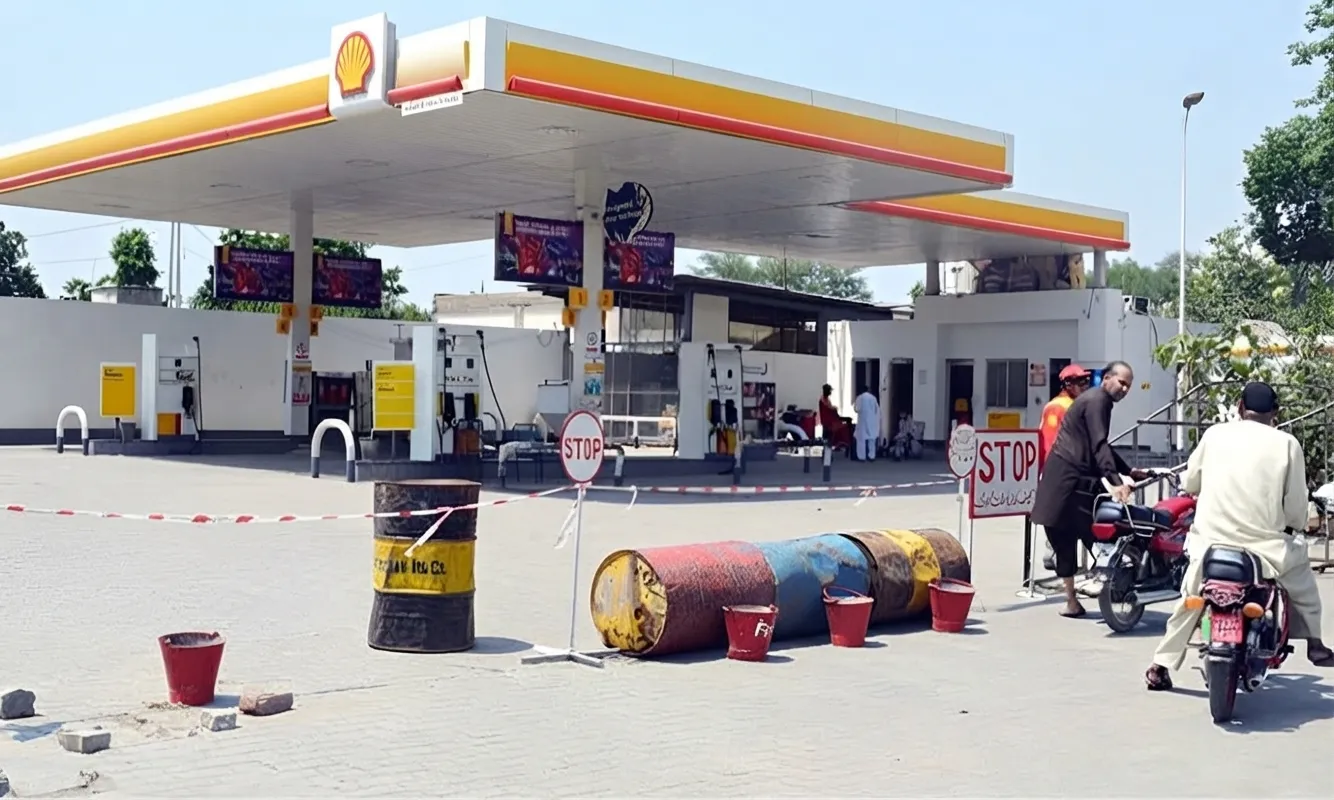
One of the major targets is increasing domestic production of petrol and diesel to reduce dependence on imported fuel.
Reduction in Furnace Oil Output
The initiative aims to reduce furnace oil production while shifting refinery output toward higher-demand petroleum products.
Introduction of Euro-V Fuel Standards
The adoption of Euro-V fuel standards is expected to improve fuel quality and support cleaner emissions by reducing harmful pollutants.
Impact on Pakistan’s Energy Sector
Pakistan has historically relied heavily on imported petroleum products to meet domestic demand. Increasing local refining capacity could help reduce import costs and improve supply security.
The policy is expected to contribute to:
- Greater fuel availability
- Improved energy independence
- Better quality petroleum products
- Increased industrial investment
- Modernised refinery infrastructure
Investment Opportunities and Economic Growth
The government has included incentives such as tax benefits, investment protection, and a clearer implementation framework to attract investors.
The expected refinery upgrades could create opportunities across multiple sectors, including:
- Energy infrastructure
- Engineering services
- Industrial manufacturing
- Logistics and supply chains
Large-scale investments in the petroleum sector may also support employment opportunities and economic activity.
Cleaner Fuel and Environmental Benefits
The move toward Euro-V fuel standards represents an important step toward improving environmental performance.
Higher-quality fuels can help reduce emissions from vehicles and contribute to better air quality, particularly in major urban areas.
Strengthening Energy Security
Energy security remains a major priority for countries dependent on imported fuel. By increasing domestic refining capacity, Pakistan aims to create a more reliable and resilient energy system.
The Brownfield Refining Policy is expected to play a key role in reducing vulnerabilities linked to international oil prices and supply disruptions.
Conclusion
The approval of Pakistan’s Brownfield Refining Policy marks a major milestone for the country’s petroleum industry.
With potential investments of nearly $6 billion, the policy could modernise existing refineries, improve fuel standards, increase domestic production, and support long-term economic growth.
As implementation moves forward, the success of the initiative will depend on effective execution, investment participation, and timely completion of refinery upgrade projects.
Disclaimer: This article is for informational purposes only and is based on publicly available reports. The image is AI-generated and is for reference only.