
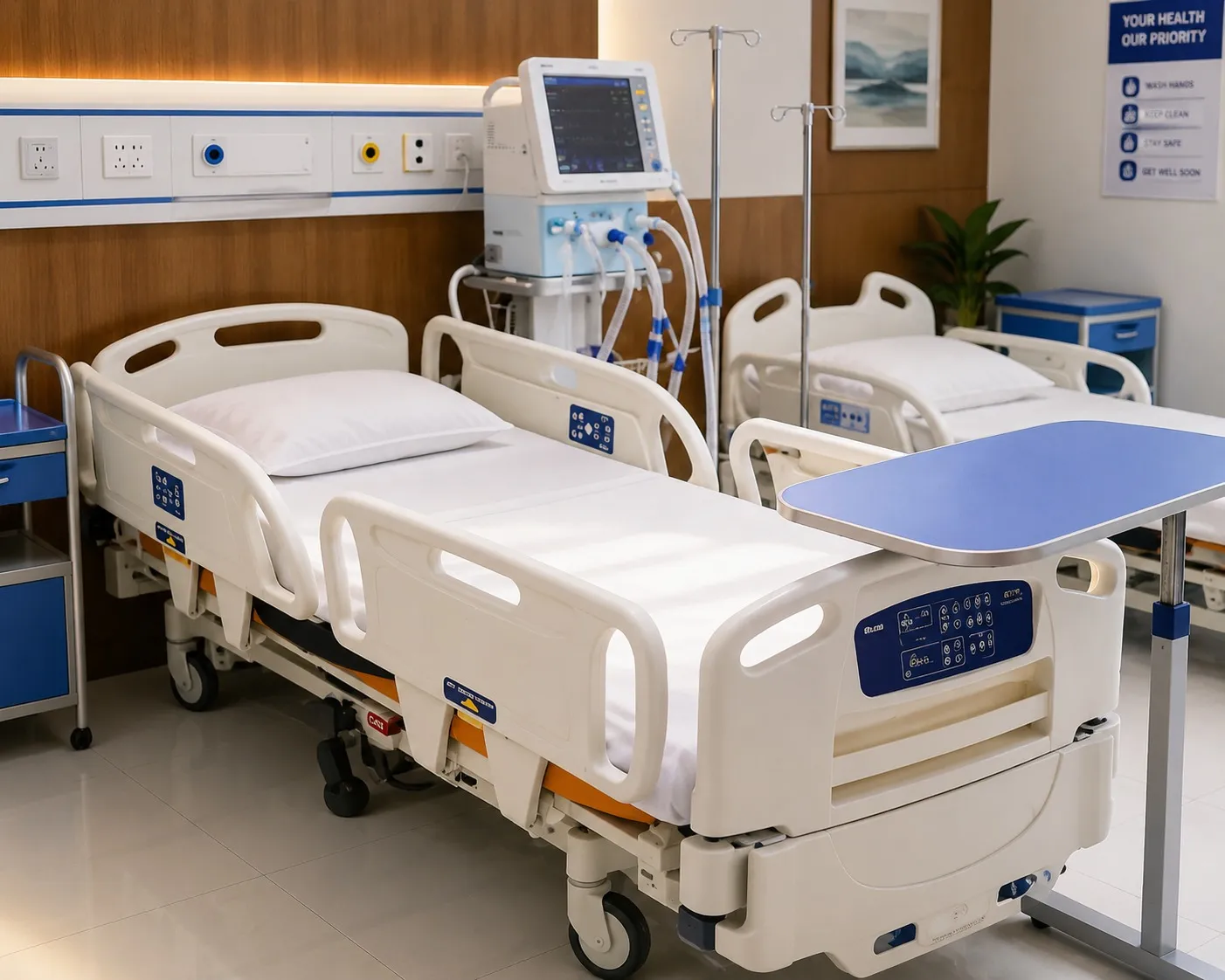
A reported shortage of ventilators in the federal capital has raised concerns about the capacity of hospitals to provide life-saving treatment for critically ill patients.
Ventilators are among the most essential medical devices used in Intensive Care Units (ICUs), supporting patients who are unable to breathe effectively on their own. Healthcare professionals rely on these machines to stabilise patients while treating serious illnesses and medical emergencies.
What Is a Ventilator?
A ventilator is a life-support machine designed to assist or replace natural breathing when a patient's lungs cannot function adequately.
The machine delivers oxygen-rich air into the lungs and helps remove carbon dioxide from the body. Depending on a patient's condition, ventilators may provide partial or full respiratory support until recovery or further treatment becomes possible.
Why Ventilators Are Important
Ventilators are commonly used in hospitals for patients experiencing severe respiratory failure or other critical illnesses. They are frequently required for individuals with:
- Severe pneumonia
- Major trauma or injuries
- Serious respiratory diseases
- Complications following major surgery
- Other life-threatening conditions requiring intensive care
Access to ventilators can be crucial in improving patient outcomes during medical emergencies.
Reported Shortage Raises Concerns
According to available reports, hospitals in the federal capital are facing a shortage of ventilators, limiting the availability of critical care equipment for patients who require immediate respiratory support.
Healthcare experts often emphasise that sufficient ICU capacity, trained medical staff, and access to essential medical equipment are key components of an effective healthcare system.
Strengthening Critical Care Services
Improving critical care infrastructure involves more than increasing the number of ventilators. It also includes:
- Expanding ICU capacity
- Training specialised healthcare professionals
- Maintaining and upgrading medical equipment
- Ensuring timely procurement of essential healthcare resources
- Strengthening emergency preparedness
Continued investment in healthcare infrastructure can help hospitals respond more effectively to emergencies and improve patient care.
Disclaimer: This article is for informational purposes only and is based on available reports. It should not be considered medical advice. The image is AI-generated and is for reference only.