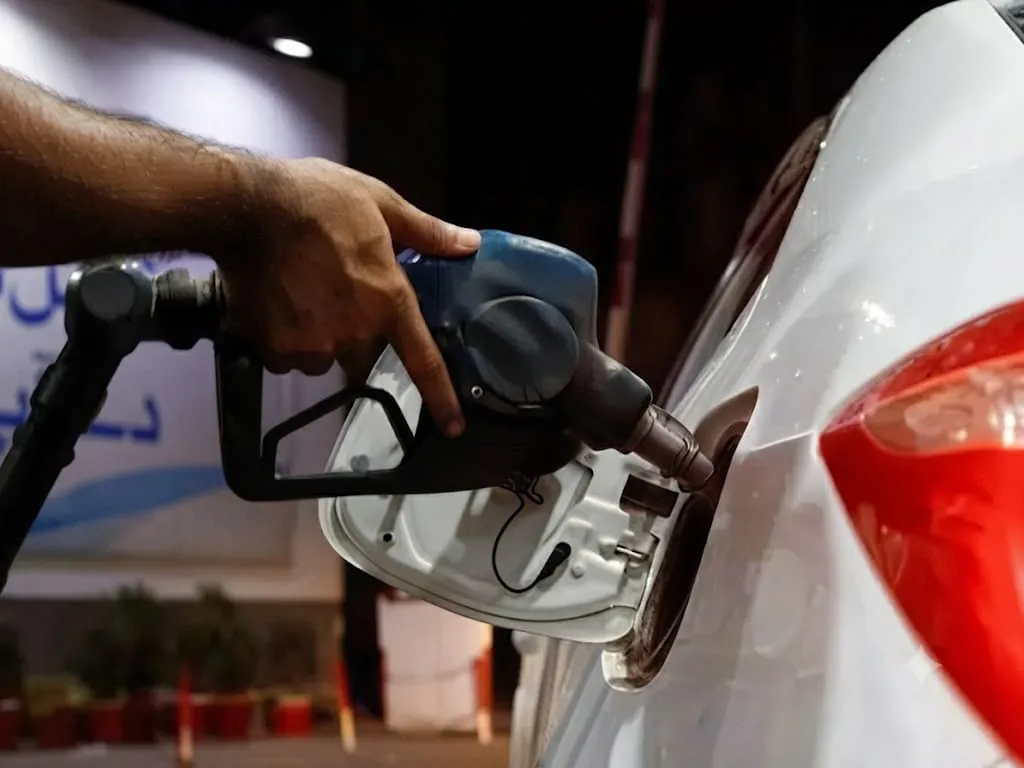
Pakistan has announced a new adjustment in petroleum prices, bringing mixed changes for consumers and businesses across the country.
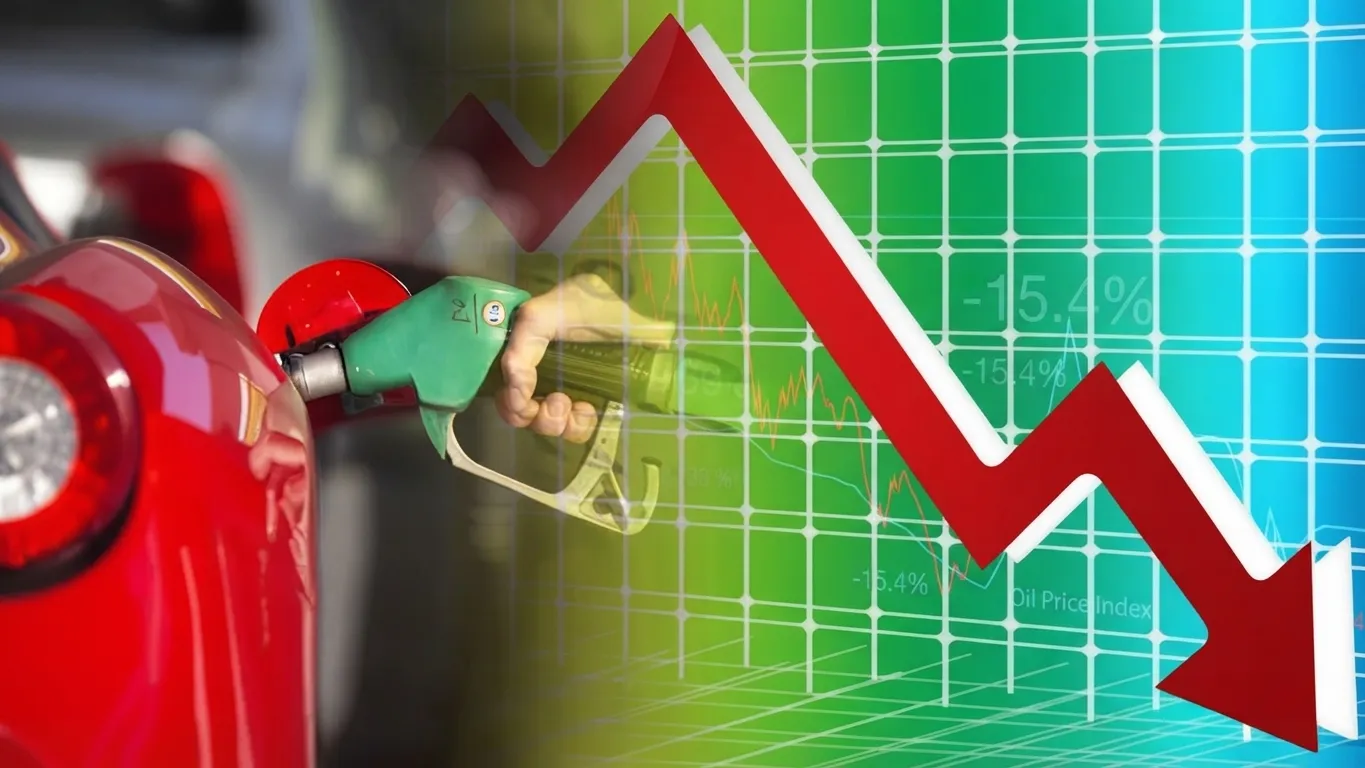
Under the latest fuel price revision, the price of petrol has been reduced by Rs. 1 per litre, while the price of high-speed diesel has increased by Rs. 3.37 per litre.
The adjustment reflects the ongoing impact of changes in global oil markets, currency fluctuations, taxation policies, and other factors that influence petroleum pricing.
Petrol Price Sees Minor Relief
Consumers using petrol-powered vehicles will receive a small reduction following the latest revision.
Although the decrease is limited, any reduction in fuel prices provides some relief for motorists who have been facing higher transportation expenses due to rising fuel costs.
Petrol is widely used by:
- Private vehicle owners.
- Motorcyclists.
- Ride-hailing drivers.
- Small businesses relying on personal transport.
Diesel Price Increase Raises Concerns
Unlike petrol, diesel prices have moved upward by Rs. 3.37 per litre.
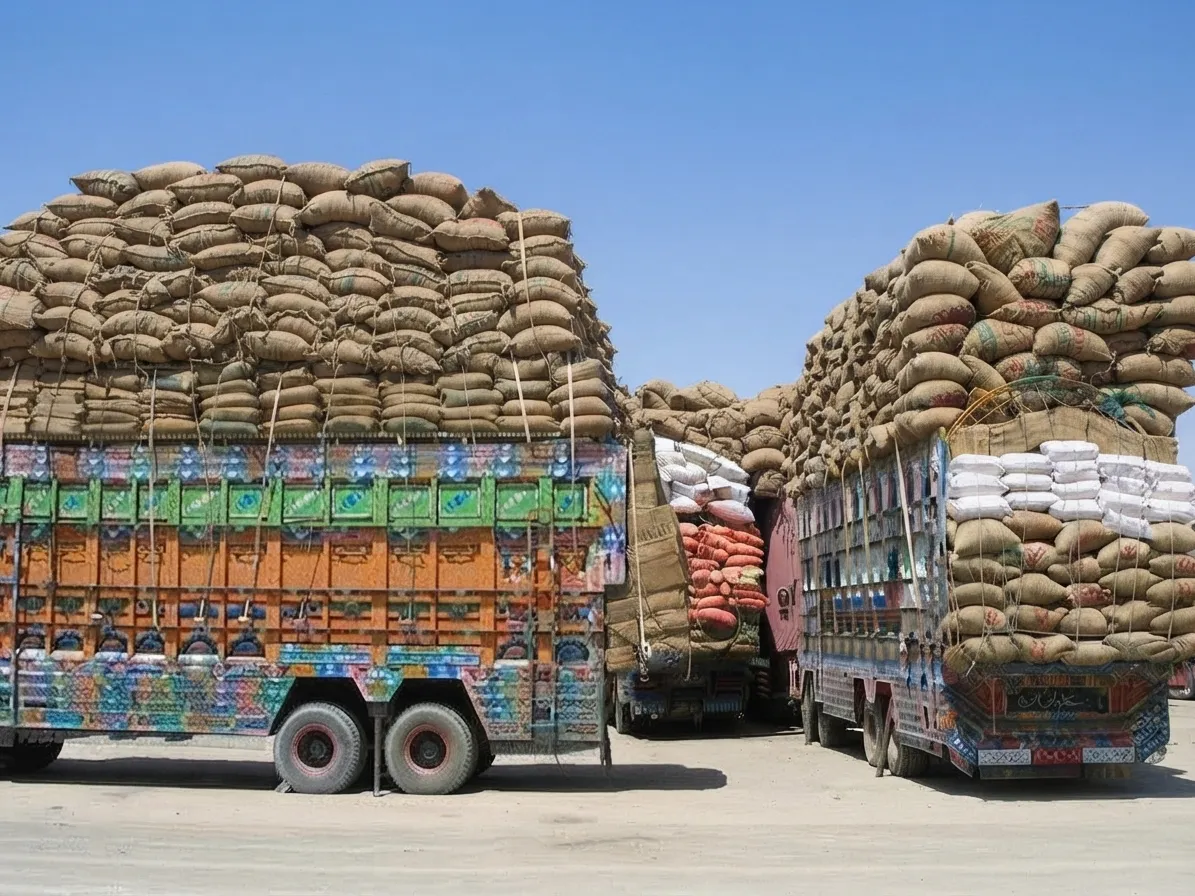
Diesel is a key fuel source for commercial transportation, including:
- Trucks and freight vehicles.
- Public transport.
- Agricultural machinery.
- Industrial operations.
An increase in diesel prices can affect transportation costs and may influence the prices of goods due to higher logistics expenses.
Impact on Consumers and Businesses
Fuel prices have a direct connection with the broader economy.
Changes in petroleum rates can impact:
Transportation Costs
Higher diesel prices may increase operating costs for transport companies, potentially affecting freight charges and public transport expenses.
Business Operations
Industries that depend on fuel for transportation and machinery may experience changes in operational costs.
Household Expenses
Fuel prices often influence the overall cost of living, as transportation expenses affect the movement of goods and services.
Factors Behind Fuel Price Changes
Petroleum prices in Pakistan are influenced by multiple domestic and international factors, including:
- Global crude oil prices.
- Exchange rate fluctuations.
- Government taxes and petroleum levies.
- International supply and demand.
- Regional market conditions.
Because of these factors, fuel prices are regularly reviewed and adjusted.
Public Reaction and Economic Impact
Fuel price changes often generate discussion among citizens, businesses, and economic experts.
While petrol users may welcome the small reduction, concerns remain regarding diesel increases and their possible impact on transportation and inflation.
Many consumers continue to call for stable and affordable energy prices to reduce financial pressure.
Conclusion
The latest fuel price adjustment brings limited relief for petrol users while increasing costs for diesel consumers.
As Pakistan continues to navigate changing global energy conditions, fuel prices will remain an important factor affecting transportation, businesses, and household budgets.
Future adjustments will depend on international oil trends, currency movements, and government policies.
Disclaimer: This article is for informational purposes only and is based on publicly available reports. Fuel prices may change due to government decisions, taxes, exchange rates, and international market conditions. The image is AI-generated and is for reference only.