
Pakistan's cotton sector is facing mounting challenges, with a new report by the Overseas Investors Chamber of Commerce and Industry (OICCI) estimating that the country is losing around $3 billion annually due to declining cotton production.
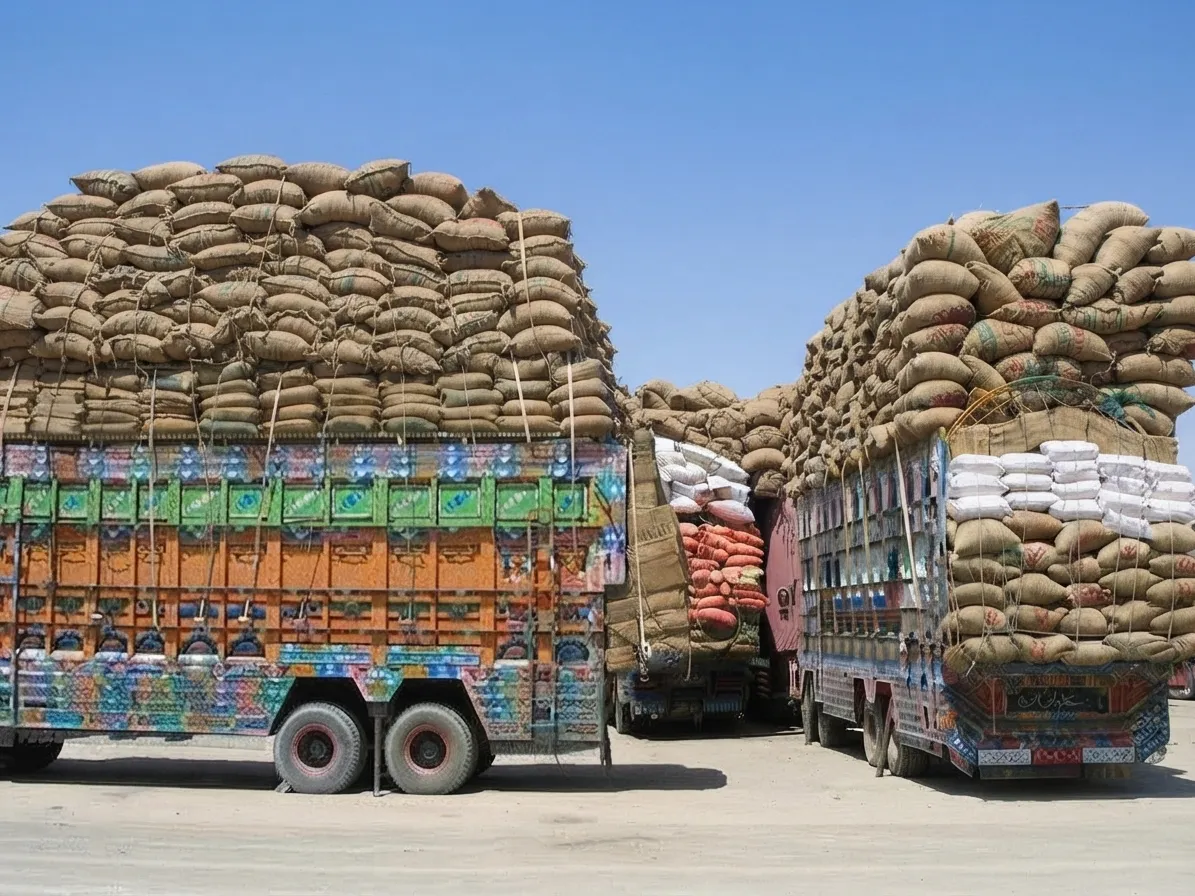
According to the report, national cotton output has dropped to 6.85 million bales, significantly below the government's production target. The decline is affecting the country's agriculture sector, increasing dependence on imports, and placing additional pressure on Pakistan's textile industry.
Why Cotton Production Is Falling
The OICCI report identifies several major factors contributing to the decline in cotton production, including:
- Climate change and extreme weather conditions
- Pest attacks affecting crop yields
- Poor-quality and counterfeit seeds
- Policy and regulatory challenges
- Limited adoption of modern farming practices
These issues have reduced productivity and made it increasingly difficult for farmers to achieve higher yields.
Impact on Pakistan's Economy
Cotton plays a crucial role in Pakistan's economy as the primary raw material for the country's textile industry.
The textile sector contributes approximately 60% of Pakistan's export earnings, making stable cotton production essential for export growth and foreign exchange generation.
Lower domestic production has forced Pakistan to import more cotton, increasing import bills and placing additional strain on the country's foreign reserves.
OICCI's Recommendations
To help revive the cotton sector, the OICCI has recommended several policy and structural reforms, including:
- Accelerating the approval of improved seed varieties
- Taking stronger action against counterfeit agricultural products
- Expanding access to agricultural financing for farmers
- Promoting modern farming techniques and technology
- Strengthening long-term agricultural policies
The organization believes these measures could improve productivity, reduce import dependence, and enhance Pakistan's export competitiveness.
Importance of Reviving the Cotton Sector
A stronger cotton industry could deliver multiple economic benefits, including:
- Higher agricultural productivity
- Increased textile exports
- Reduced cotton import costs
- Improved farmer incomes
- Greater foreign exchange earnings
- Enhanced economic stability
Given cotton's strategic importance, experts emphasize that long-term reforms are essential to ensure sustainable growth.
Conclusion
The latest OICCI report highlights the urgent need to address Pakistan's declining cotton production. With estimated annual losses of $3 billion, strengthening the cotton sector has become increasingly important for supporting agriculture, boosting textile exports, and improving the country's economic outlook.
Implementing modern farming practices, improving seed quality, and introducing effective policy reforms could help restore productivity and strengthen one of Pakistan's most important industries.
Disclaimer: This article is for informational purposes only and is based on publicly available reports. The image used is AI-generated and is for reference only.