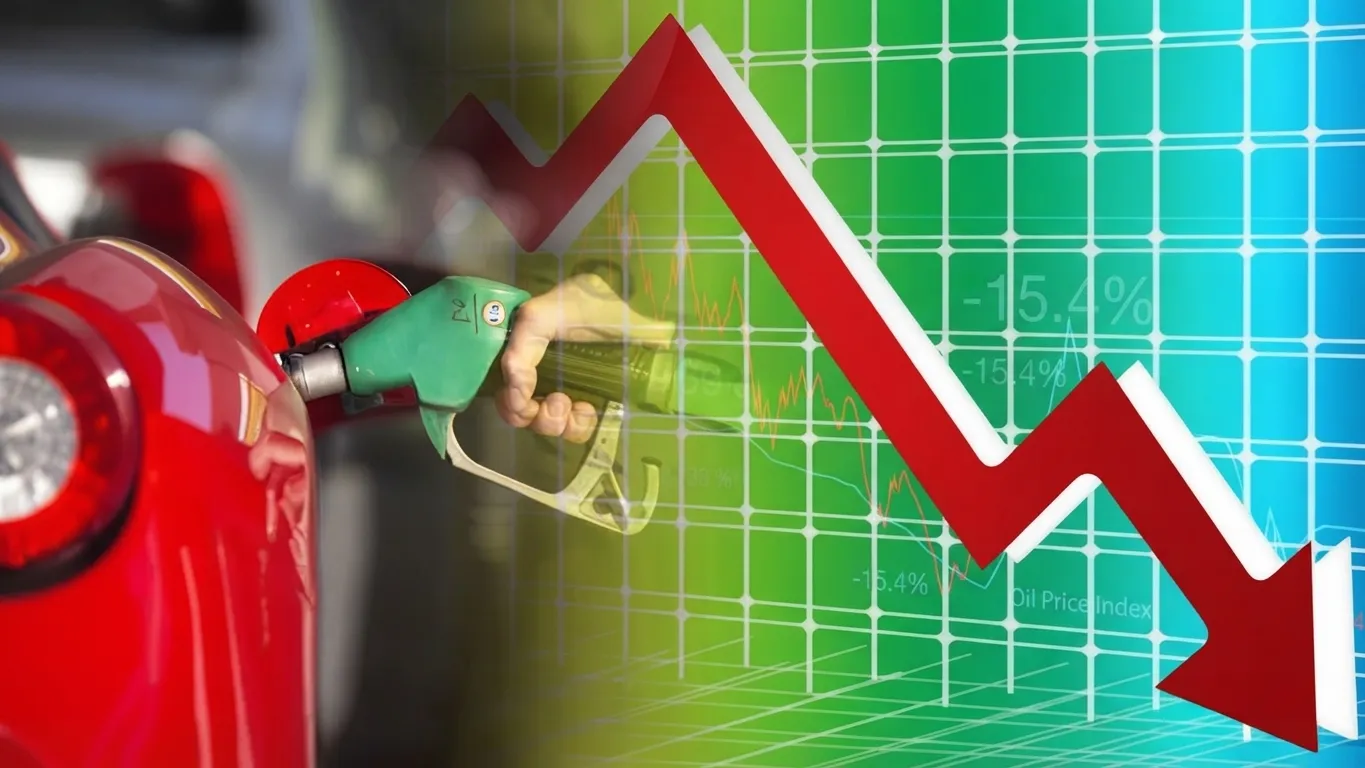
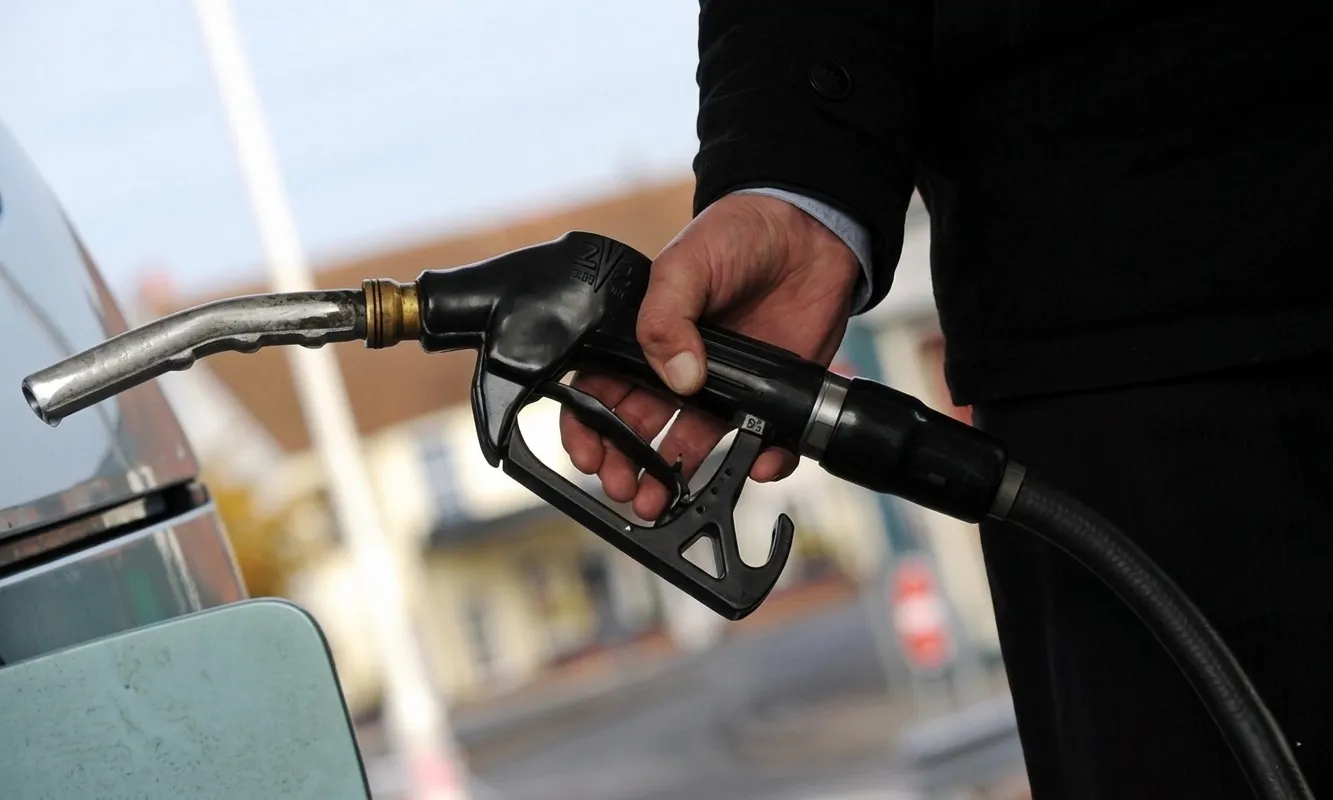
Petrol and diesel prices have increased in Pakistan following the latest government notification, adding further pressure on fuel consumers and businesses.
According to the announced adjustment, the price of petrol has increased by Rs. 6.39 per litre, while high-speed diesel has become Rs. 7.83 per litre more expensive.
The revised fuel prices will affect motorists, transport operators, and industries that rely heavily on petroleum products for daily operations.
Impact on Consumers
Fuel prices directly influence everyday expenses as transportation plays a major role in the cost of goods and services.
The increase may affect:
- Daily commuting costs
- Public transport fares
- Freight and delivery charges
- Business operating expenses
- Household budgets
Higher fuel costs often create additional pressure on consumers, especially when combined with rising prices of other essential goods.
Impact on Businesses and Economy
Businesses across multiple sectors depend on fuel for transportation, logistics, and operations.
Industries that may feel the impact include:
- Manufacturing
- Agriculture
- Logistics
- Retail
- Delivery services
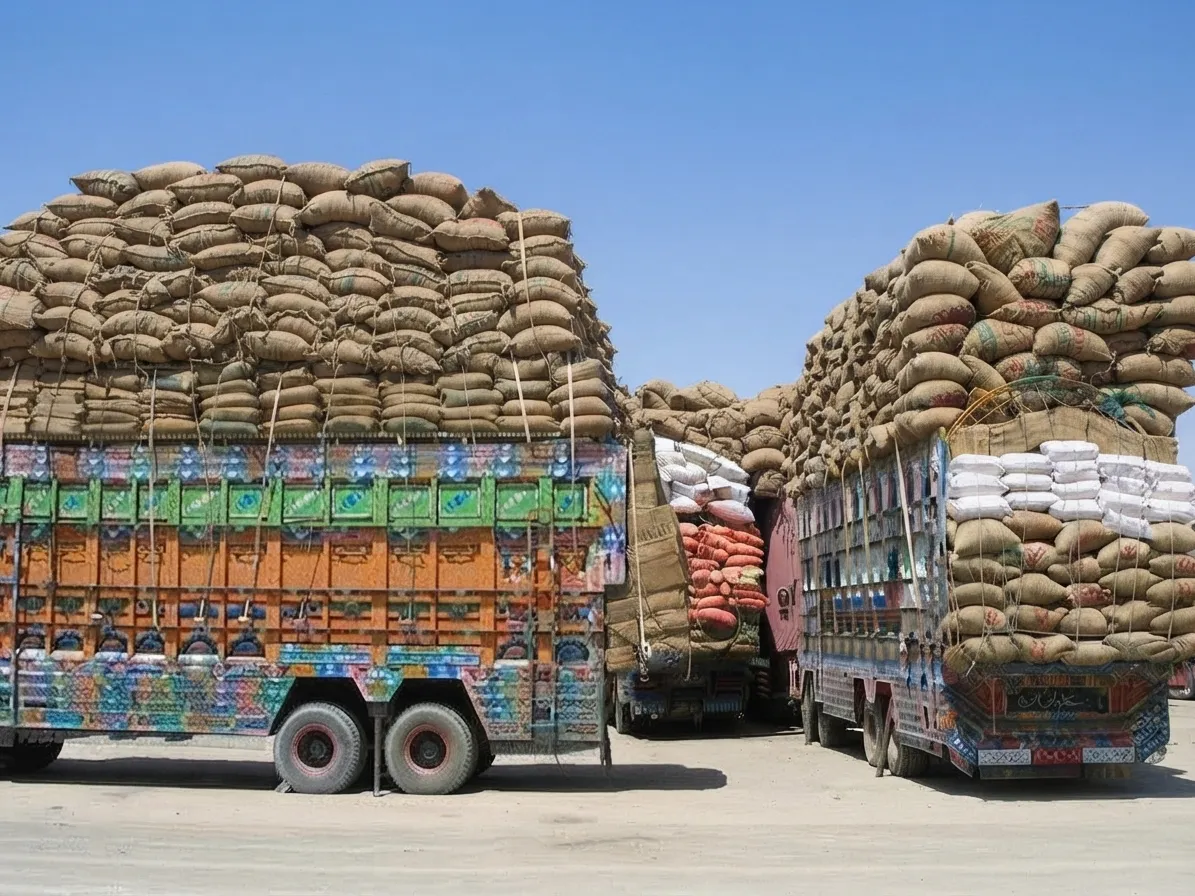
An increase in diesel prices can particularly affect freight movement because diesel-powered vehicles are widely used for commercial transportation.
Factors Behind Fuel Price Changes
Petroleum prices are generally influenced by several factors, including:
- International crude oil prices
- Exchange rate fluctuations
- Import costs
- Government taxation policies
- Global energy market conditions
Changes in these factors can lead to regular adjustments in domestic fuel prices.
Public Reaction and Economic Concerns
Fuel price increases often become a major public concern due to their impact on inflation and living expenses.
Consumers usually monitor fuel prices closely because transportation costs affect the prices of many products and services.
Businesses also evaluate fuel adjustments when planning operational costs and pricing strategies.
Conclusion
The latest increase in petrol and diesel prices represents another adjustment in Pakistan’s fuel market, with potential effects on consumers, businesses, and the broader economy.
As fuel remains a key part of daily life and economic activity, future price movements will continue to depend on global oil trends, currency conditions, and government policies.
Disclaimer: This article is for informational purposes only and is based on publicly available reports. The image used is AI generated and is for reference only.