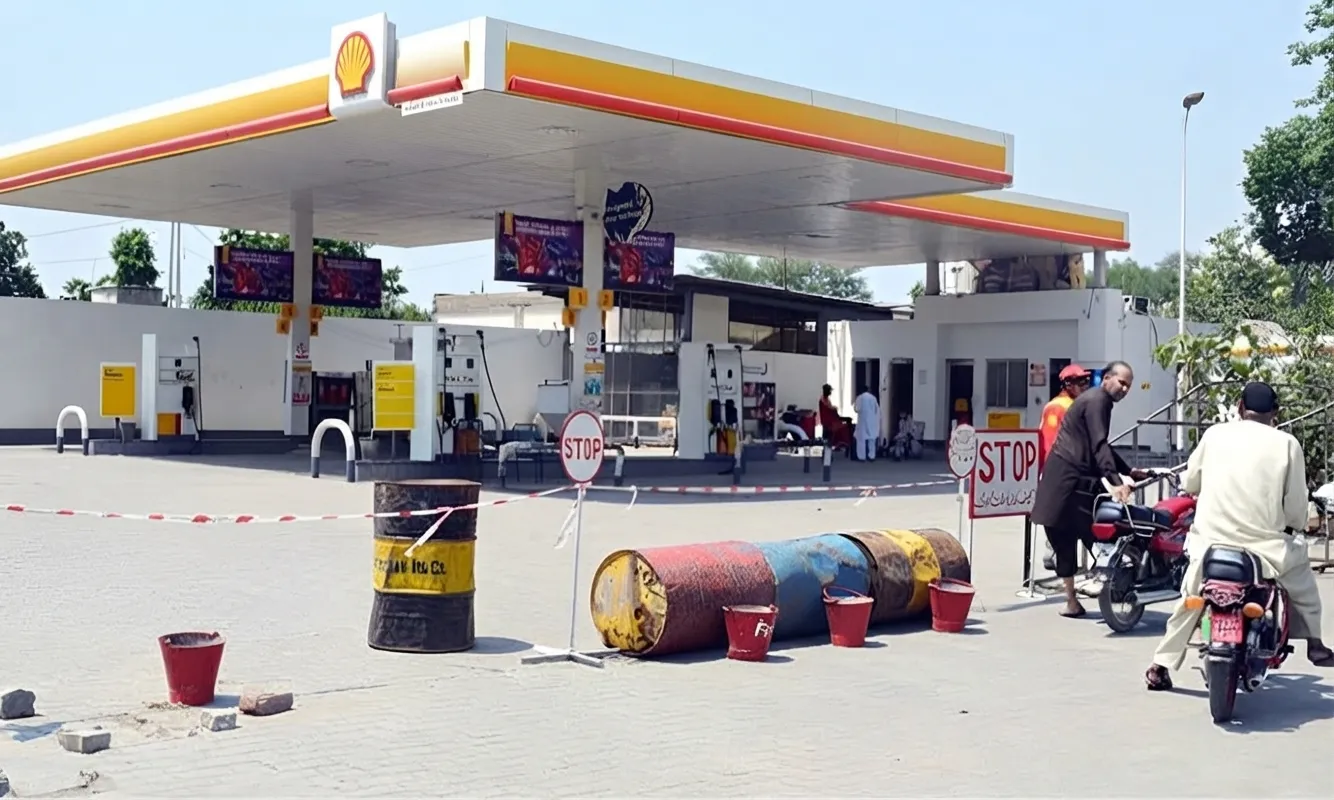
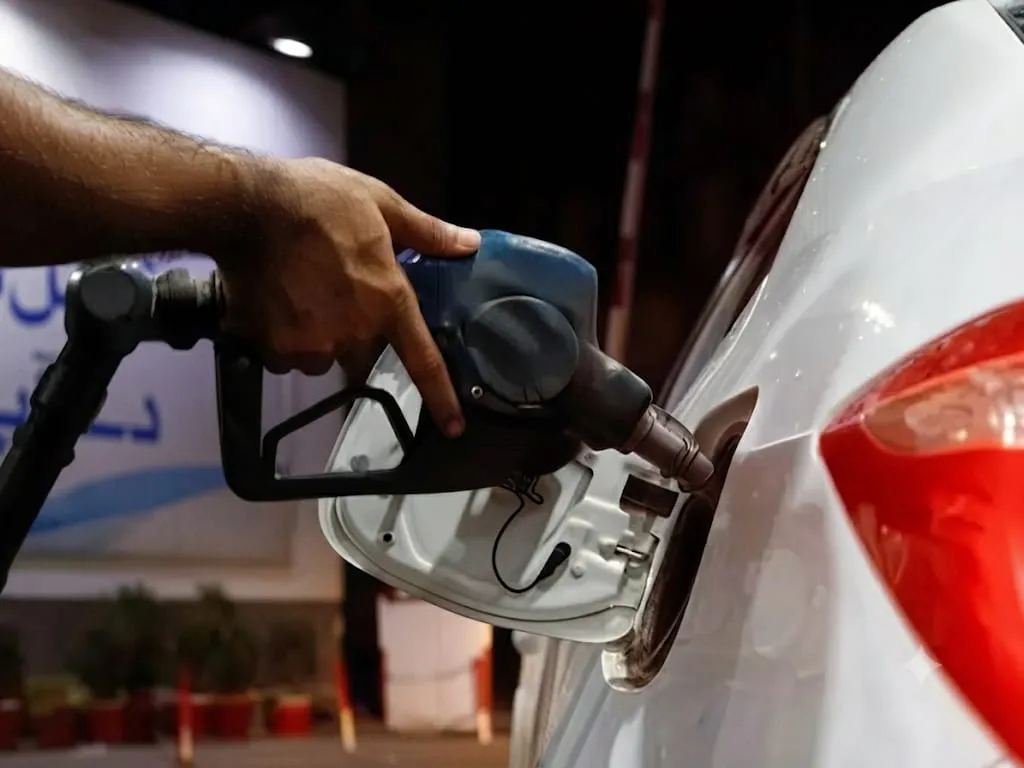
The Pakistan Petroleum Dealers Association (PPDA) has officially postponed its planned nationwide strike following successful discussions with government representatives, ensuring that petrol pumps across Pakistan will remain open and fuel supplies will continue without interruption.
The decision provides immediate relief to millions of motorists, transport operators, businesses, and industries that had expressed concerns over the possibility of fuel shortages if the strike had proceeded.
The development also highlights the importance of continued dialogue between the government and petroleum sector stakeholders to address industry concerns while maintaining uninterrupted energy supplies for the public.
Strike Deferred Following Negotiations
The PPDA announced the postponement after holding talks with government officials regarding issues affecting petroleum dealers and the country's fuel retail sector.
As a result of the discussions:
- Petrol pumps will continue normal operations.
- Fuel supplies are expected to remain stable nationwide.
- Consumers are not expected to face immediate shortages due to the previously announced strike.
- Business and transportation activities can continue without disruption.
Although the strike has been postponed, discussions on broader industry concerns are expected to continue in the coming weeks.
Relief for Consumers and Businesses
The decision comes as positive news for consumers who had been concerned about potential fuel shortages and long queues at petrol stations.
A nationwide shutdown of fuel stations could have affected several sectors, including:
Transportation
Public transport, freight services, ride-hailing platforms, and private motorists rely heavily on uninterrupted fuel availability.
Business Operations
Many businesses depend on continuous transportation and logistics to maintain supply chains and deliver goods.
Agriculture
Agricultural machinery and transportation of farm produce also depend on regular fuel supplies, particularly during active farming seasons.
Industrial Activity
Manufacturing facilities, logistics companies, and industrial operations benefit from stable petroleum availability to maintain productivity.
By postponing the strike, these sectors can continue operating without immediate disruption.
Importance of Dialogue Between Stakeholders
The latest development demonstrates how negotiations can help resolve differences between industry representatives and government authorities while minimizing inconvenience for the public.
Constructive dialogue allows stakeholders to:
- Present operational concerns.
- Discuss policy implementation.
- Explore practical solutions.
- Maintain business continuity.
- Protect consumer interests.
Continued engagement may help develop long-term policies that balance industry sustainability with public needs.
Pakistan's Fuel Supply System
Pakistan's petroleum retail network plays a vital role in supporting the country's economy.
Petrol pumps ensure fuel availability for:
- Private vehicles
- Commercial transportation
- Public transport
- Emergency services
- Industrial operations
- Agriculture
Any interruption in fuel distribution can have widespread economic and social consequences, making uninterrupted operations an important priority.
Looking Ahead
While the immediate strike has been postponed, petroleum sector stakeholders are expected to continue discussions with the government regarding various operational and policy matters.
Observers will be watching future negotiations closely to see whether long-term agreements can address industry concerns while ensuring reliable fuel availability across Pakistan.
Stable cooperation between policymakers and industry participants remains essential for maintaining confidence in the country's energy supply chain.
Conclusion
The postponement of the nationwide petrol pump strike by the Pakistan Petroleum Dealers Association ensures that motorists and businesses across Pakistan will continue to receive uninterrupted fuel supplies.
The outcome reflects the value of dialogue in resolving industry issues while avoiding disruptions that could affect transportation, commerce, and everyday life.
As discussions continue, stakeholders will aim to reach sustainable solutions that support both the petroleum industry and consumers.
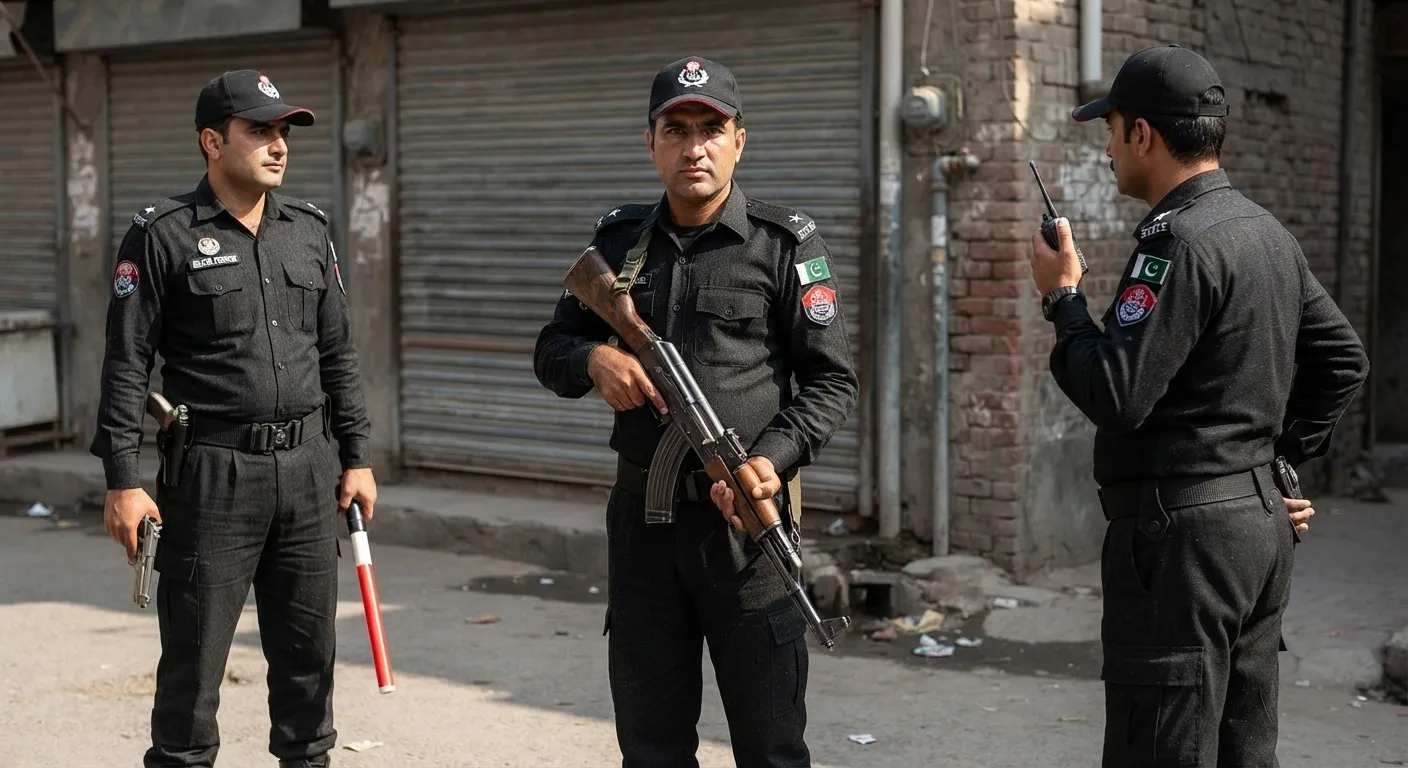
Disclaimer: This article is for informational purposes only and is based on publicly available reports. It summarizes reported developments and should not be interpreted as legal, financial, or policy advice. The image used is AI generated and is for reference only.