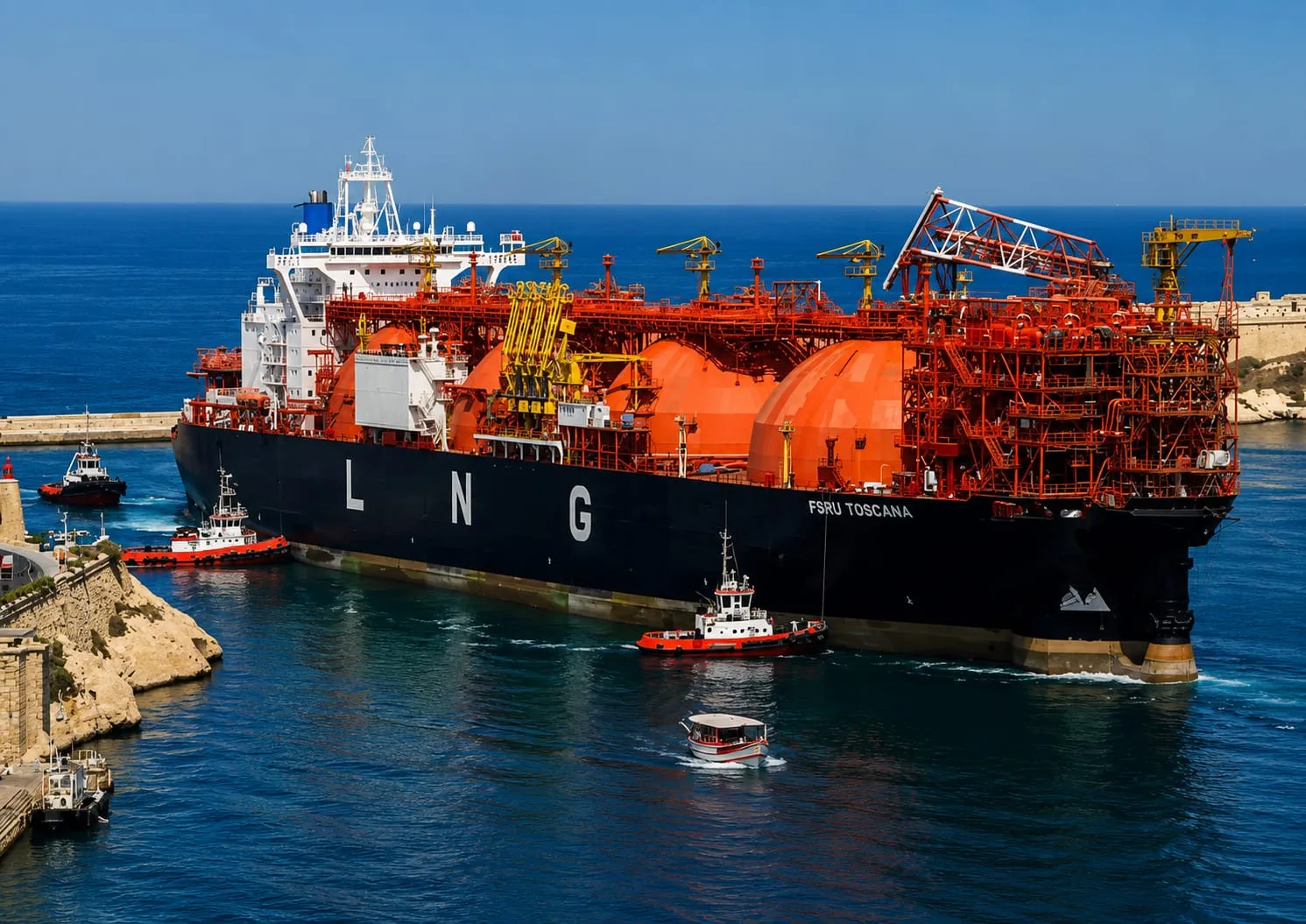
Pakistan has secured one of its most expensive spot liquefied natural gas (LNG) cargoes in recent years as supply disruptions forced the country to turn toward the international spot market to meet domestic energy requirements.
The purchase comes at a time when global energy markets remain under pressure due to supply constraints, geopolitical tensions, and disruptions affecting international shipping routes.
While the LNG cargo will help Pakistan maintain gas availability for consumers, power generation, and industries, the higher cost highlights the financial challenges associated with emergency energy imports.
Rising Cost of Energy Imports
Pakistan relies significantly on imported energy resources to fulfill domestic demand. When long-term supply arrangements face disruptions, countries often have to purchase LNG through spot markets, where prices can be considerably higher.
Spot LNG prices are influenced by several factors, including:
- Global demand and supply conditions
- Seasonal energy requirements
- International shipping costs
- Geopolitical developments
- Market uncertainty
The latest purchase demonstrates how external factors can quickly affect Pakistan’s energy expenses.
Impact on Pakistan’s Economy
Higher LNG import costs can create pressure on the country’s economy in several ways.
Increased Import Bill
Expensive LNG purchases increase Pakistan’s overall energy import expenditure, putting additional pressure on foreign exchange reserves.
Power Generation Costs
Natural gas plays an important role in electricity production. Higher gas costs can increase power generation expenses, which may eventually affect electricity tariffs.
Industrial Impact
Industries that depend on gas supplies may face challenges related to:
- Higher production costs
- Supply uncertainty
- Reduced competitiveness
Sectors such as manufacturing, fertilizers, and textiles are particularly sensitive to energy price fluctuations.
Energy Security Challenges
The development highlights the importance of strengthening Pakistan’s long-term energy security strategy.
Experts often emphasize the need to:
- Diversify energy sources
- Improve domestic gas exploration
- Expand renewable energy projects
- Increase storage capacity
- Develop reliable long-term supply agreements
Reducing dependence on expensive emergency imports can help protect the economy from sudden international market shocks.
Global Factors Affecting LNG Markets
The global LNG market has become increasingly competitive due to rising demand from multiple regions.
Factors affecting LNG availability include:
- International conflicts
- Shipping route disruptions
- Weather-related demand changes
- Competition among importing countries
These challenges make energy planning more complex for countries that depend heavily on imports.
Future Outlook for Pakistan’s Energy Sector
Pakistan’s energy future depends on balancing immediate supply needs with long-term sustainability.
While emergency LNG purchases can help avoid shortages, experts believe a stronger energy framework is necessary to ensure affordable and reliable supplies.
Future priorities may include:
- Increasing renewable energy adoption
- Improving energy efficiency
- Strengthening domestic production
- Building resilient supply chains
A stable energy system will be essential for supporting economic growth, industrial development, and consumer needs.
Conclusion
Pakistan’s latest LNG purchase reflects the challenges countries face when global energy markets become unstable. Although the expensive cargo helps ensure continued gas availability, it also highlights the financial risks of relying on emergency imports.
Strengthening energy security, reducing dependence on costly spot purchases, and investing in sustainable energy solutions will remain critical for Pakistan’s long-term economic stability.
Disclaimer: This article is for informational purposes only and is based on publicly available reports. Energy prices, supply conditions, and government policies may change. Readers should verify information through official sources