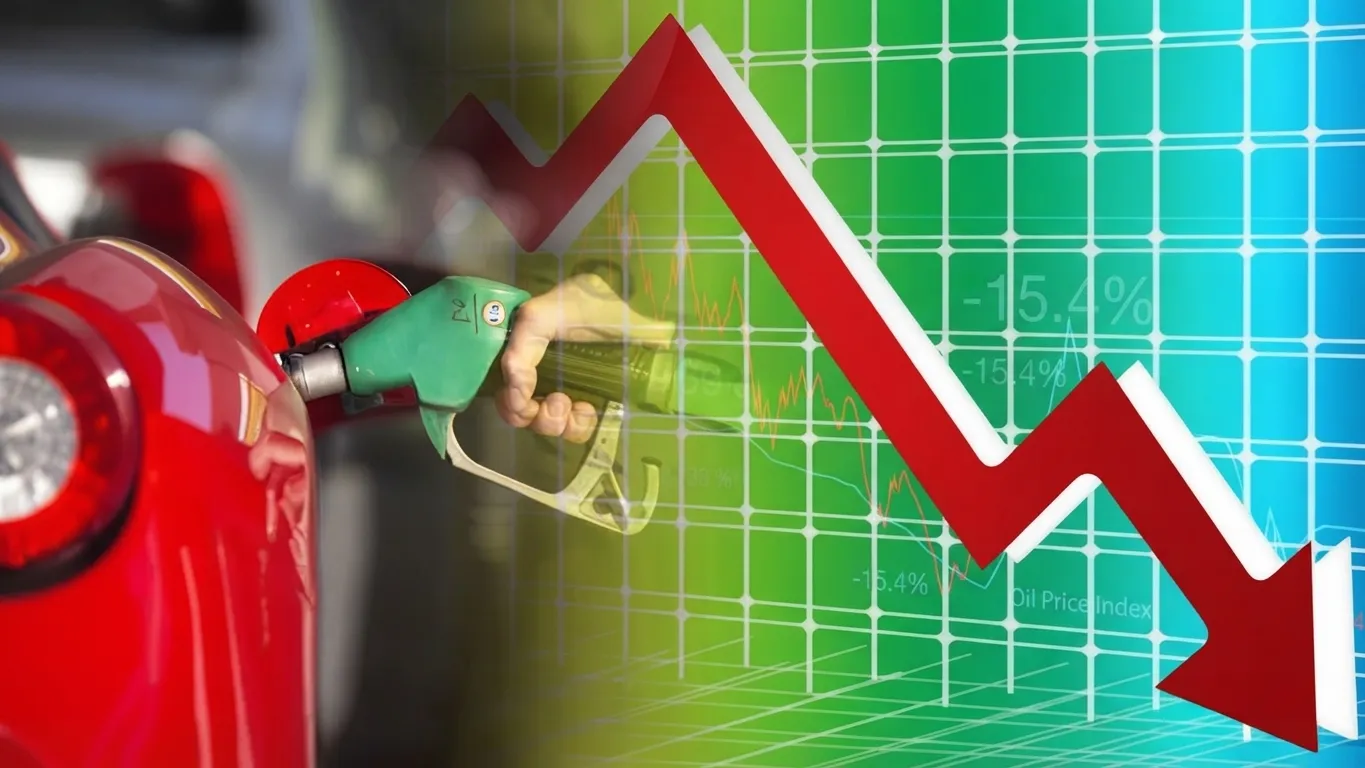
The Government of Pakistan has announced a fresh revision in petroleum product prices, bringing slight relief for petrol consumers while imposing a significant increase in the price of High-Speed Diesel (HSD).
Under the latest notification, the price of petrol has been reduced by Rs. 0.35 per litre, bringing the new rate to Rs. 315.80 per litre. At the same time, the price of High-Speed Diesel (HSD) has been increased by Rs. 5.71 per litre, raising its new retail price to Rs. 360.06 per litre.
Although the reduction in petrol prices offers modest relief for motorists, the larger increase in diesel prices is expected to have broader economic implications because diesel is widely used across Pakistan's transportation, agriculture, industrial, and logistics sectors.
New Fuel Prices
The latest prices are as follows:
- Petrol: Rs. 315.80 per litre (decreased by Rs. 0.35)
- High-Speed Diesel (HSD): Rs. 360.06 per litre (increased by Rs. 5.71)
These revised prices are expected to remain in effect until the next scheduled fuel price review, unless the government announces further changes.
Why Diesel Prices Matter More
While petrol is primarily consumed by private vehicles and motorcycles, High-Speed Diesel plays a much larger role in Pakistan's economy.
Diesel powers:
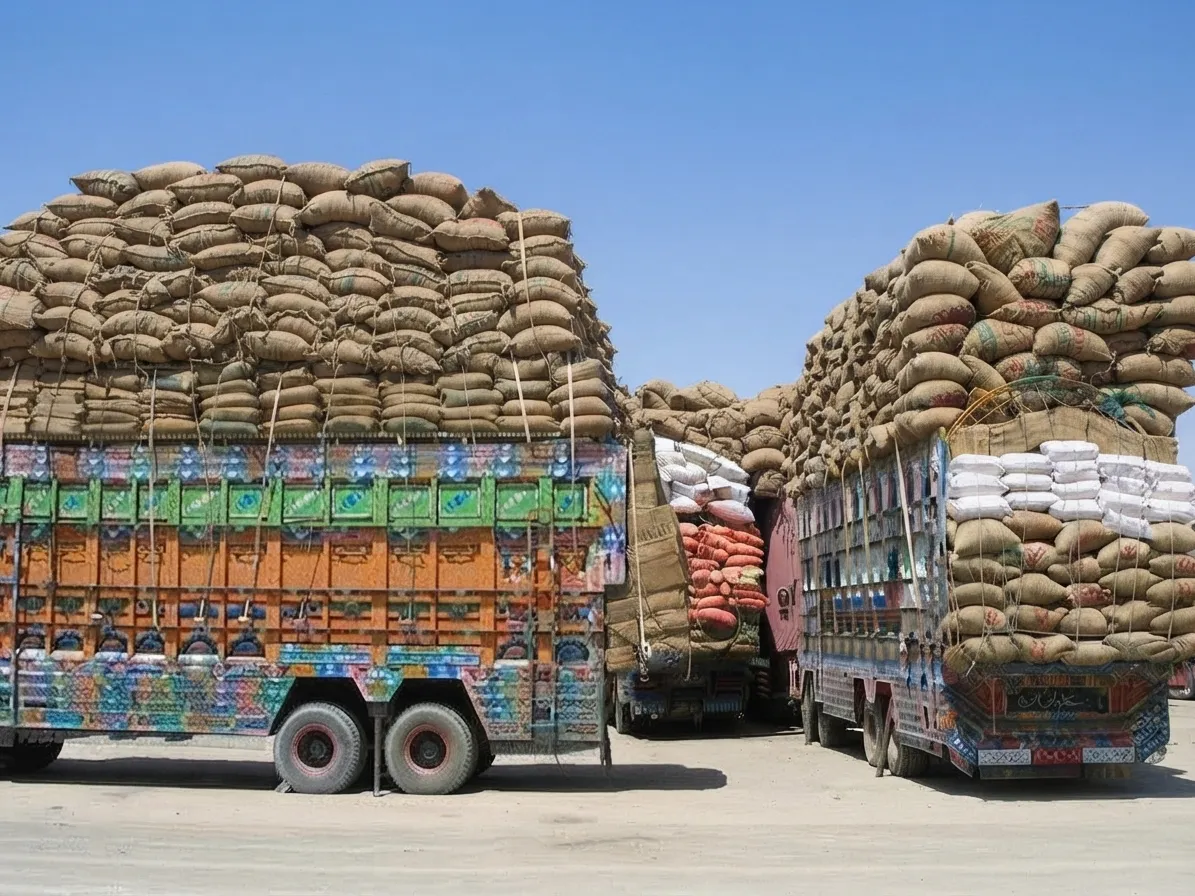
- Commercial trucks transporting goods nationwide
- Public transport including buses and coaches
- Agricultural machinery such as tractors and harvesters
- Construction and industrial equipment
- Freight and logistics operations
Because diesel is closely linked to the movement of goods and agricultural production, any increase in its price often affects the overall cost of doing business.
Possible Impact on Consumers
The increase in diesel prices may gradually influence the prices of various goods and services across the country.
Higher transportation costs can increase the cost of:
- Food and grocery supplies
- Agricultural products
- Construction materials
- Manufacturing inputs
- Public transportation
- General consumer goods
Although the petrol price reduction may provide limited savings for private motorists, the larger diesel increase could have a wider impact on businesses and households over time.
Factors Behind Fuel Price Revisions
Fuel prices in Pakistan are reviewed periodically based on several domestic and international factors, including:
- International crude oil prices
- Global petroleum product prices
- Exchange rate fluctuations
- Import costs
- Petroleum Levy
- General Sales Tax (GST)
- Inland Freight Equalization Margin (IFEM)
- Government fiscal policies
These factors collectively determine the final retail prices paid by consumers.
Impact on Businesses and Industries
Several sectors are likely to monitor the latest fuel price adjustment closely.
Transportation & Logistics
Freight companies may experience higher operating costs, potentially increasing delivery charges for goods transported across Pakistan.
Agriculture
Farmers who rely on diesel-powered machinery for cultivation, irrigation, and harvesting may face increased operational expenses during the farming season.
Manufacturing
Industries that depend on diesel generators or heavy transportation may also encounter higher production costs.
Public Transport
Bus operators and commercial transport services could experience increased fuel expenses, which may eventually influence transport fares depending on regulatory decisions.
Inflation Concerns
Pakistan has been navigating inflationary pressures in recent years, making fuel prices one of the most closely watched economic indicators.
Since transportation costs influence nearly every sector of the economy, changes in diesel prices often have an indirect impact on inflation. Businesses may adjust prices to offset higher operating costs, which can affect consumers purchasing everyday goods and services.
Economists will continue monitoring whether the latest diesel price increase contributes to broader inflation trends in the coming weeks.
Looking Ahead
Future fuel prices will continue to depend on developments in international energy markets, exchange rate movements, and government taxation policies.
Consumers, businesses, transporters, and farmers are expected to closely watch the next fuel price review to assess whether additional adjustments are announced.
While the latest petrol reduction offers limited relief, the increase in diesel prices underscores the ongoing challenges of balancing government revenue requirements with rising energy costs and their impact on the broader economy.
Disclaimer: This article is for informational purposes only and is based on officially announced fuel prices and publicly available information. The accompanying image is AI-generated and is for reference only.