Pakistan has approved the National Gemstone Policy 2026–2030, marking a major step toward developing the country’s gemstone sector and transforming it into a significant contributor to exports, investment, and economic growth.
The new policy aims to increase Pakistan’s annual gemstone exports from approximately $5–7 million to $500 million by 2030 by introducing modern industry standards, improving export mechanisms, and promoting Pakistan’s gemstone resources in international markets.
With estimated gemstone reserves valued at more than $450 billion, Pakistan possesses significant mineral wealth that has remained largely underdeveloped due to challenges related to mining practices, certification, branding, and market access.
Pakistan’s Untapped Gemstone Potential
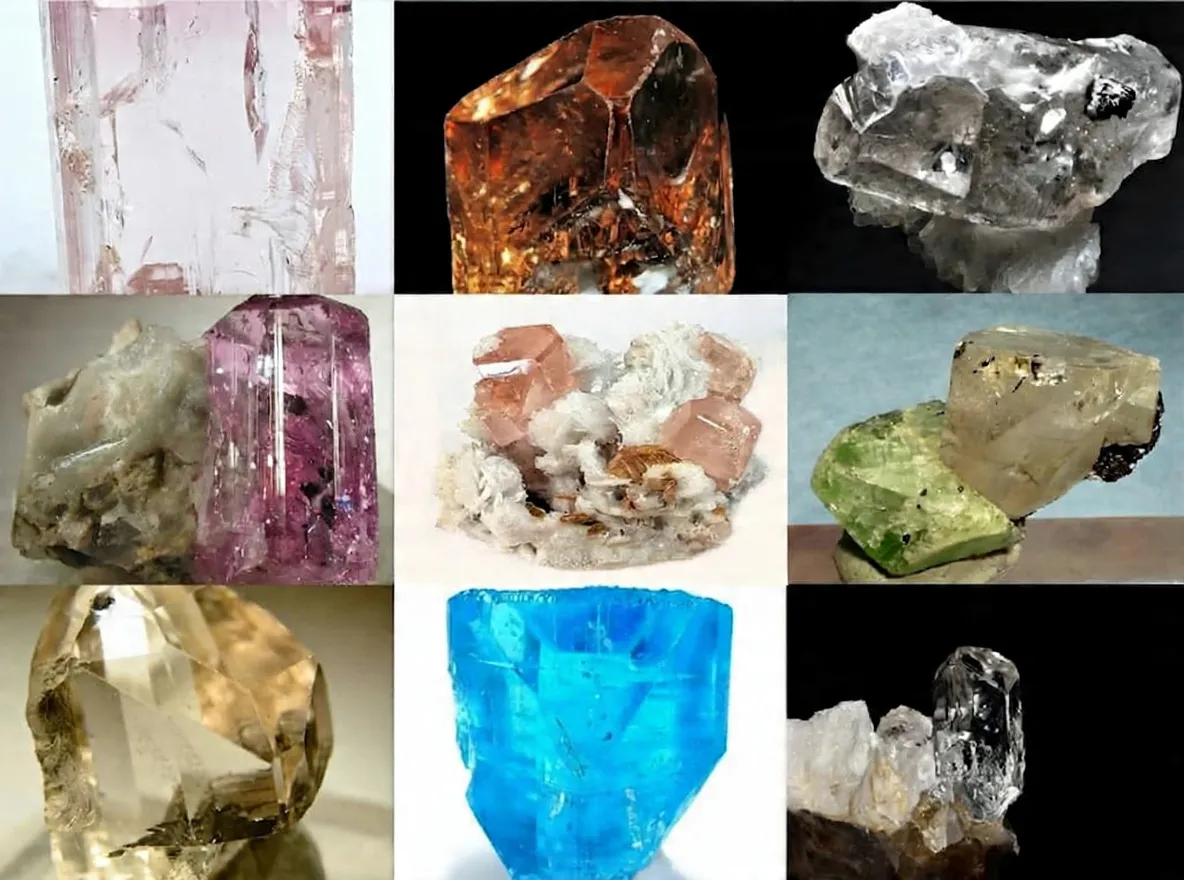
Pakistan is home to a wide range of valuable gemstones, including:
- Emeralds
- Rubies
- Sapphires
- Tourmalines
- Aquamarines
- Topaz
- Other precious and semi-precious stones
The country’s northern regions, particularly areas of Gilgit-Baltistan, Khyber Pakhtunkhwa, and parts of Balochistan, are known for their rich mineral resources.
Despite possessing valuable gemstone deposits, Pakistan’s share in the global gemstone market has remained limited due to a lack of organised systems and value-added processing.
Key Features of National Gemstone Policy 2026–2030
The new policy focuses on creating a structured and internationally competitive gemstone industry.
Major initiatives include:
1. Industry Formalisation
The government plans to bring gemstone-related activities into a more organised framework through:
- Industry registration
- Documentation systems
- Better monitoring
- Transparent business practices
Formalisation can help improve investor confidence and increase participation from local and international businesses.
2. Certification and Traceability
One of the major challenges in gemstone exports is proving authenticity and quality.
The policy focuses on:
- International certification standards
- Gemstone grading systems
- Digital traceability
- Quality assurance
These measures can help Pakistani gemstones gain stronger recognition in global markets.
3. Modern Mining Practices
The policy encourages the adoption of improved mining methods to increase efficiency while promoting responsible resource extraction.
Modern mining practices can help:
- Improve productivity
- Reduce waste
- Protect natural resources
- Create safer working conditions
4. Establishment of National Gemstone Authority
The proposed National Gemstone Authority aims to provide stronger coordination and regulation for the sector.
The authority could help manage:
- Industry standards
- Export promotion
- Investment facilitation
- Market development
- Policy implementation
A dedicated institution may help create a more organised gemstone ecosystem in Pakistan.
Economic Impact and Export Opportunities
The gemstone sector has the potential to contribute significantly to Pakistan’s economy.
A stronger gemstone industry could support:
Export Growth
Increasing gemstone exports can help Pakistan earn valuable foreign exchange and diversify its export portfolio.
Employment Generation
The sector can create jobs in areas such as:
- Mining
- Cutting and polishing
- Jewellery manufacturing
- Trading
- Export services
Investment Attraction
Improved policies and transparent systems could encourage local and international investors to participate in the sector.
Importance of Value Addition
Currently, many countries generate higher revenues by processing and branding gemstones rather than exporting raw stones.
Value-added activities include:
- Cutting
- Polishing
- Jewellery manufacturing
- Luxury branding
- International marketing
By increasing value addition, Pakistan can earn significantly more compared to exporting unprocessed gemstones.
Strengthening Pakistan’s Global Brand
The policy also focuses on developing stronger international branding for Pakistani gemstones.
Global gemstone markets depend heavily on:
- Trust
- Quality certification
- Reputation
- Consistent supply
Building a recognised Pakistani gemstone brand could help the country compete with established gemstone markets worldwide.
Challenges Ahead
Although the policy presents major opportunities, successful implementation will require addressing several challenges.
These include:
- Lack of modern mining technology
- Limited processing facilities
- Informal mining activities
- Need for skilled professionals
- International market competition
Strong implementation and cooperation between government, industry, and investors will be essential.
Future Outlook
The National Gemstone Policy 2026–2030 represents a strategic effort to convert Pakistan’s natural resources into economic opportunities.
If successfully implemented, the sector could become an important contributor to:
- Export earnings
- Industrial growth
- Employment opportunities
- Regional development
Pakistan’s gemstone industry has the resources and potential to become a globally competitive market, but achieving this goal will depend on effective execution, international standards, and sustainable development.
Conclusion
Pakistan’s approval of the National Gemstone Policy 2026–2030 marks a significant move toward developing one of the country’s most valuable but underutilised sectors.
With estimated reserves exceeding $450 billion, the gemstone industry offers major opportunities for exports, investment, and economic growth.
By focusing on certification, modern mining, value addition, and global branding, Pakistan aims to transform its gemstone sector from a largely untapped resource into a world-class export industry.
Disclaimer: This article is for informational purposes only and is based on publicly available reports. Economic estimates, policies, and market conditions may change. The featured image is AI-generated and used for reference purposes.