The federal government has announced a fresh revision in petroleum prices, increasing the rates of both petrol and high-speed diesel (HSD) for consumers across Pakistan.
According to the latest notification, petrol prices have been increased by Rs. 1.63 per litre, while high-speed diesel has become Rs. 1.55 per litre more expensive. The revised prices have come into effect immediately and will remain applicable until the next official review, unless revised earlier.
The latest adjustment reflects the government's regular fuel price review mechanism, which considers various international and domestic market factors.
Latest Fuel Price Revision
Under the new pricing structure:
- Petrol: Increased by Rs. 1.63 per litre
- High-Speed Diesel (HSD): Increased by Rs. 1.55 per litre
The revised prices apply nationwide and affect motorists, transport operators, businesses, and industries that rely heavily on petroleum products.
Why Fuel Prices Change
Petroleum prices in Pakistan are reviewed periodically based on several economic and market factors. These typically include:
- International crude oil prices
- Global supply and demand
- Exchange rate fluctuations
- Import costs
- Freight and transportation charges
- Petroleum Levy and applicable taxes
- Inland distribution costs
Since Pakistan imports a significant portion of its petroleum products, movements in global oil markets often have a direct impact on local fuel prices.
Impact on Consumers
Even relatively small increases in fuel prices can affect household budgets over time.
Private vehicle owners may experience:
- Higher daily commuting expenses
- Increased monthly fuel budgets
- Greater transportation costs for long-distance travel
Commercial transport operators may also face higher operating expenses, particularly businesses involved in logistics, ride-hailing services, freight transport, and passenger travel.
Effect on Businesses
Fuel serves as a major operational expense for many sectors of the economy.
Industries that may be affected include:
- Logistics and freight companies
- Public transportation
- Agriculture
- Manufacturing
- Delivery and courier services
- Retail supply chains
As transportation costs increase, businesses often review their operating budgets to manage additional expenses.
Broader Economic Impact
Fuel prices play an important role in the overall economy because transportation supports nearly every sector.
Changes in petroleum prices can influence:
- Distribution costs
- Supply chain expenses
- Business operating costs
- Consumer spending
- Inflationary trends
Although a modest increase may not immediately lead to widespread price changes, continued adjustments over time can contribute to higher costs across multiple industries.
Importance of Staying Updated
Fuel prices are reviewed regularly, making it important for consumers and businesses to stay informed.
Monitoring official petroleum price announcements helps:
- Motorists estimate travel expenses
- Businesses plan operational budgets
- Transport companies manage fuel costs
- Consumers prepare for possible changes in transportation and delivery charges
Looking Ahead
Future petroleum prices will continue to depend on developments in international oil markets, exchange rate movements, and government pricing decisions.
Consumers, businesses, and transport operators are encouraged to follow official announcements regarding future fuel price revisions and adjust their budgets accordingly.
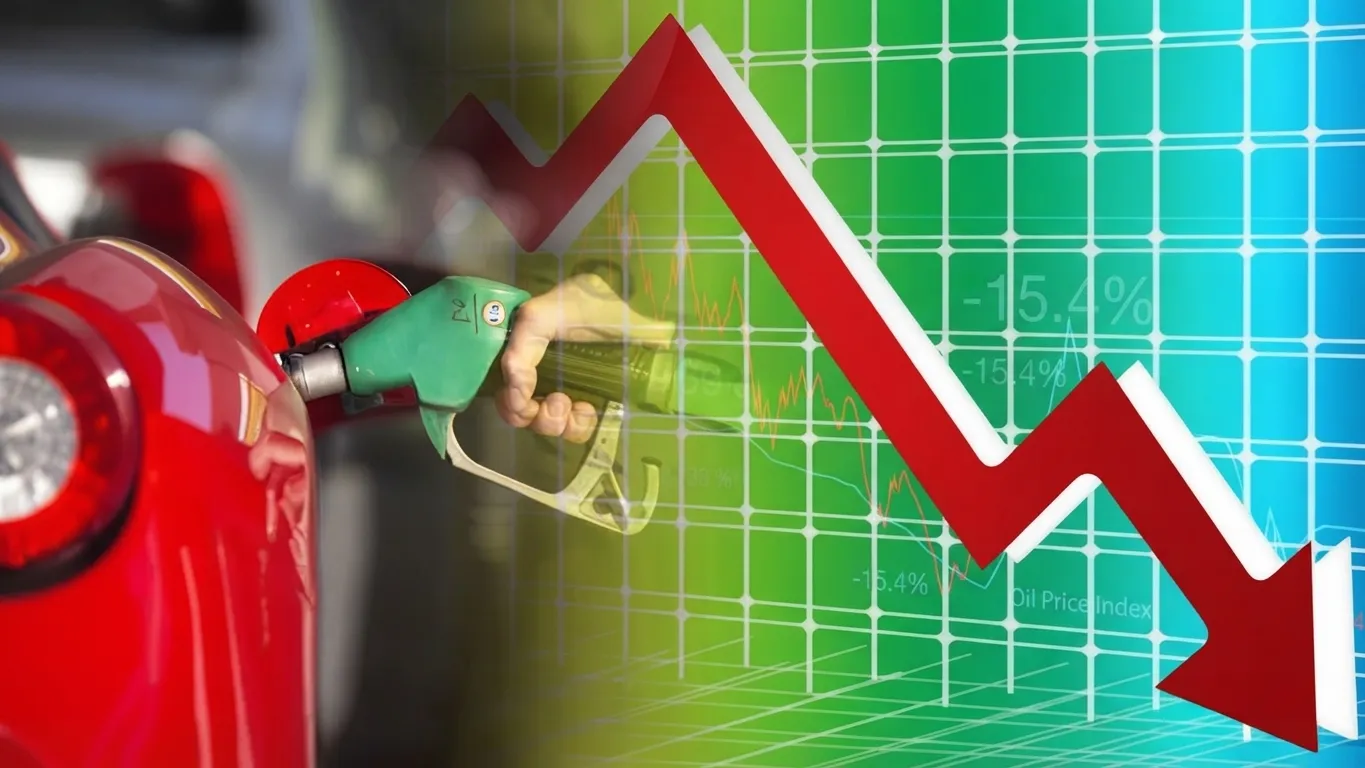
Disclaimer: This article is for informational purposes only and is based on publicly available reports available at the time of publication. Petroleum prices may be revised by the relevant authorities without prior notice. Readers are advised to verify the latest fuel prices through official government notifications. The accompanying image is AI-generated and is for reference purposes only.