
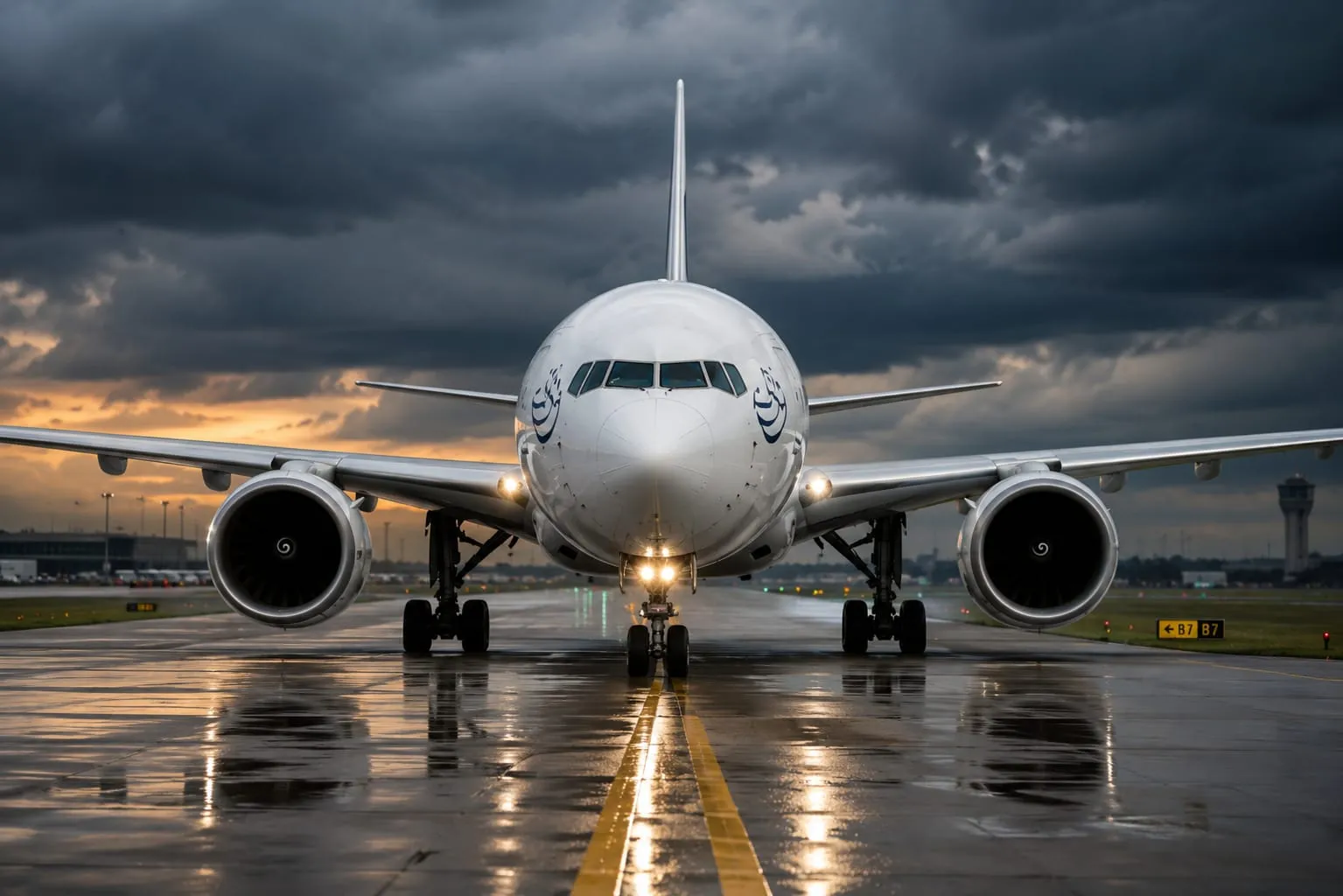
Airbus has achieved a major milestone in aviation by successfully completing a 24-hour nonstop test flight using its A350-1000ULR, demonstrating the future potential of ultra-long-haul commercial air travel.
The aircraft covered approximately 23,075 kilometres from Melbourne, Australia, to Toulouse, France, completing the journey in 24 hours and 24 minutes. The mission formed part of Qantas' Project Sunrise, an initiative aimed at making some of the world's longest nonstop passenger flights a reality.
A Major Step for Ultra-Long-Haul Aviation
The successful test flight highlights the capabilities of the Airbus A350-1000ULR, an aircraft specifically designed for extended-range operations.
Modern aircraft technology, improved fuel efficiency, and enhanced aerodynamics have made it increasingly possible to connect cities separated by vast distances without requiring intermediate stops.
The completion of this test demonstrates how aviation manufacturers and airlines continue to push the boundaries of long-distance travel.
What is Project Sunrise?
Project Sunrise is Qantas' ambitious programme to introduce nonstop commercial flights between Australia and some of the world's most distant destinations.
Planned routes include:
- Sydney to London
- Sydney to New York
- Melbourne to London
- Other future ultra-long-haul international destinations
The project aims to significantly reduce overall travel time by eliminating layovers and connecting flights.
Benefits of Nonstop Long-Haul Flights
Ultra-long-haul services could provide several advantages for travellers and airlines alike:
- Reduced total travel time
- Greater convenience with no transit stops
- Fewer missed connections
- Improved scheduling flexibility
- Enhanced passenger experience through specially designed cabin layouts
Airlines are also investing heavily in cabin wellness features to improve passenger comfort during flights lasting more than 20 hours.
Engineering Behind the A350-1000ULR
The Airbus A350 family is recognised for its advanced composite materials, fuel-efficient engines, and modern cabin technology.
The Ultra Long Range (ULR) variant is designed to:
- Fly exceptionally long distances
- Improve fuel efficiency
- Lower emissions compared with previous-generation aircraft
- Deliver enhanced passenger comfort on extended journeys
These capabilities make the aircraft suitable for some of the world's most challenging commercial routes.
The Future of Long-Distance Air Travel
As demand for direct international travel continues to grow, airlines are increasingly exploring ultra-long-haul operations.
Successful test flights such as this demonstrate that nonstop journeys spanning more than 20 hours are becoming technically feasible and commercially practical.
If Project Sunrise enters full commercial service, passengers travelling between Australia, Europe, and North America could benefit from shorter overall journey times and greater convenience.
The Airbus A350-1000ULR represents another significant step toward redefining global air connectivity and shaping the future of long-haul aviation.
Disclaimer: This article is for informational purposes only and is based on publicly available reports. The image is AI generated and is just for reference.