
Chinese commentator Victor Gao has renewed discussion around water security in South Asia after commenting on the potential consequences of disrupting Pakistan’s water access.
His remarks came amid ongoing debate about the future of the Indus Waters Treaty and the wider importance of shared river systems for Pakistan, India, and the broader region.
What Did Victor Gao Say?
Victor Gao argued that any effort to restrict Pakistan’s water supply would go against international norms and could create serious humanitarian consequences.
He also referred to China’s upstream position over parts of river systems that flow into India, suggesting that water disputes could have wider regional implications.
However, it is important to clarify that Gao’s comments represent his personal opinion. They should not be interpreted as an official statement or policy position of the Chinese government.
Understanding the River Systems
The Indus Waters Treaty concerns the management of the Indus river system between Pakistan and India.
China’s upstream geography is more directly connected to river systems such as the Yarlung Tsangpo, which becomes the Brahmaputra as it flows into India. These are separate from the Indus basin, although both are important to regional water security.
Why Water Security Matters
Water is essential for agriculture, energy generation, drinking supplies, industry, and livelihoods. In South Asia, rising populations, climate change, glacier melt, drought risks, and extreme weather are increasing pressure on already sensitive water resources.
For this reason, water-related disagreements can affect not only diplomacy but also economic stability and humanitarian conditions.
The Need for Dialogue
Experts often stress that shared rivers require long-term cooperation, data sharing, legal frameworks, and peaceful dispute-resolution mechanisms.
The Indus Waters Treaty has historically provided a framework for managing water issues between Pakistan and India. Its future remains an important matter for regional stability and the well-being of millions of people.
Final Thoughts
Victor Gao’s comments highlight how closely water security is linked with diplomacy in South Asia. While his remarks are not an official Chinese position, they add to a wider discussion about the importance of protecting shared water resources through cooperation rather than confrontation.
Disclaimer
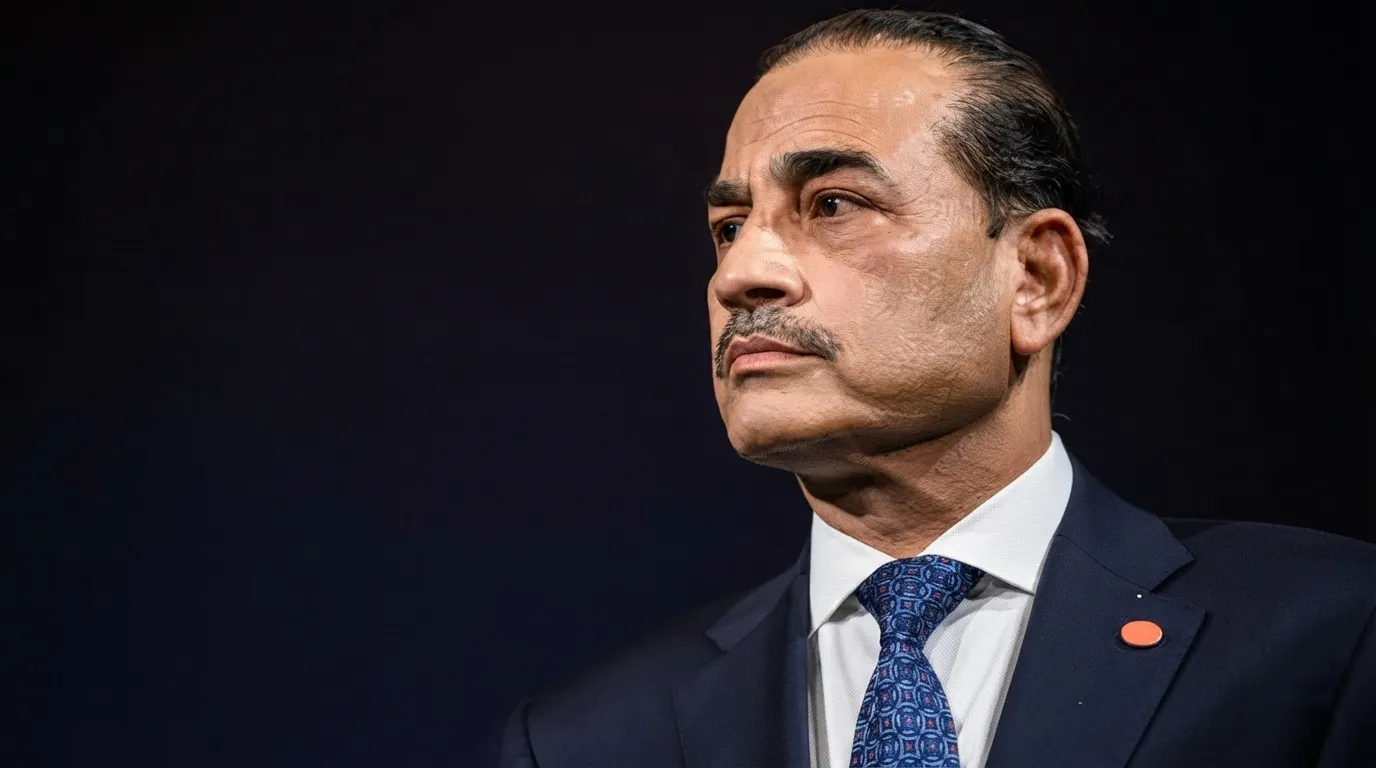
This article is for informational purposes only and is based on publicly available reports. The accompanying image is AI generated for illustrative purposes only. The views attributed to Victor Gao are his personal views and do not represent the official position of the Chinese government. Information regarding regional water policy, diplomacy, and the Indus Waters Treaty may change over time. Readers should consult official sources for the latest updates.