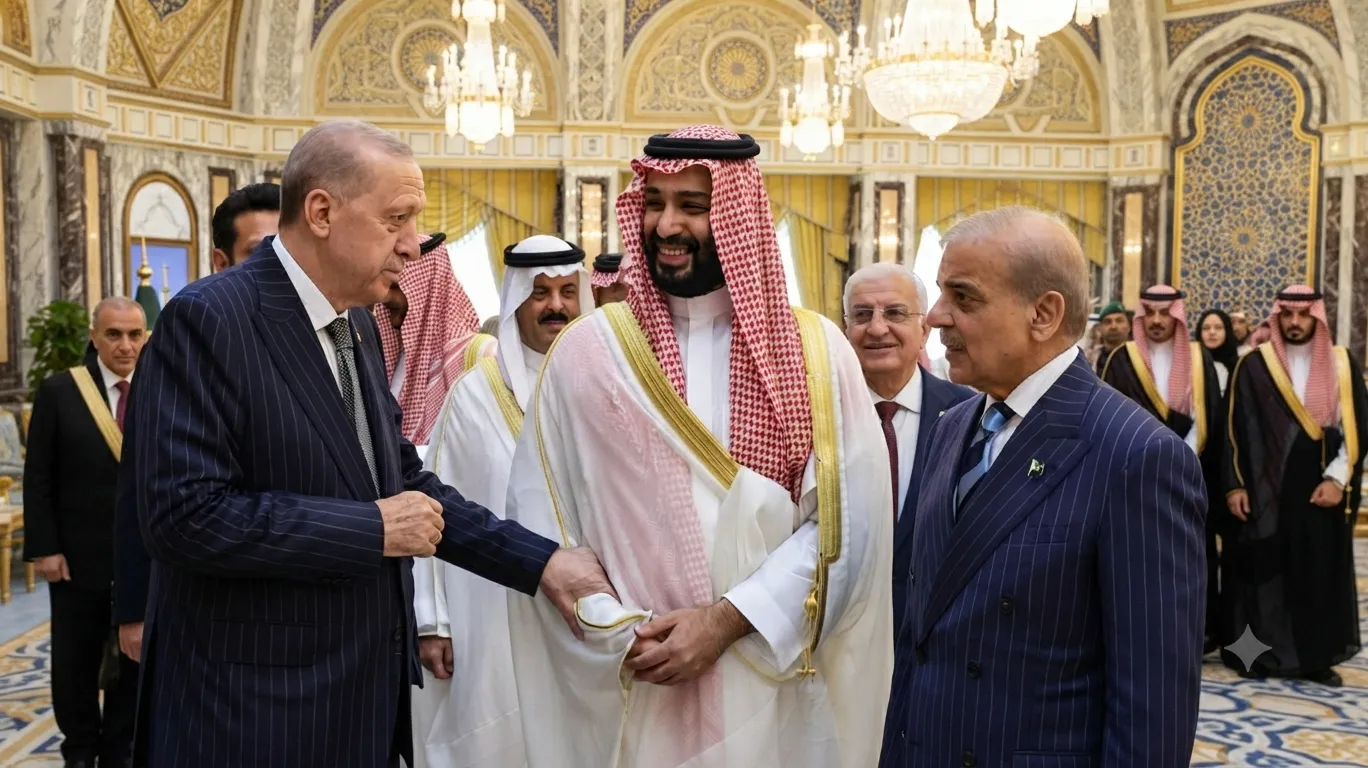
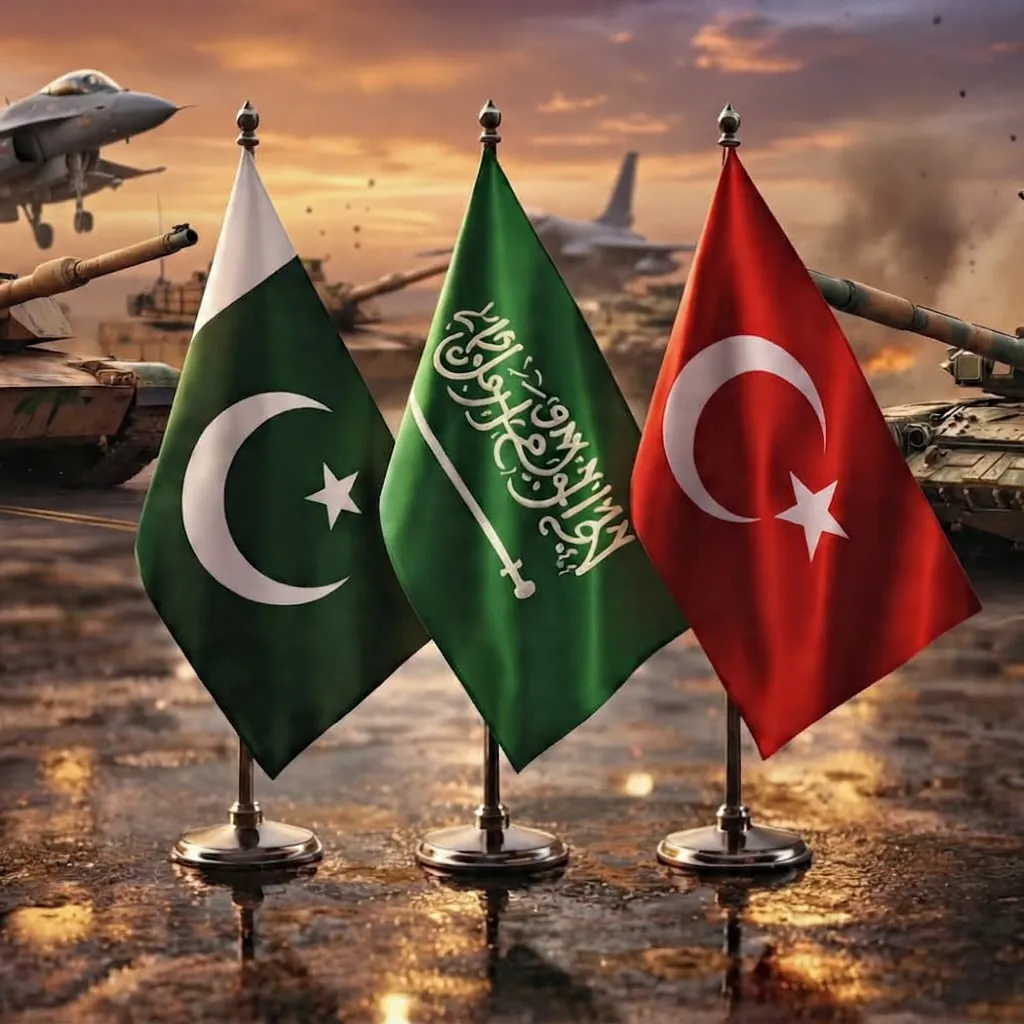
Saudi Arabia has described the Makkah Agreement with Türkiye and Pakistan as a "long-term" deal aimed at strengthening cooperation, defence ties, and regional security, marking a significant trilateral step among the three nations.
What the Agreement Covers
According to Saudi officials, the Makkah Agreement centers on several key pillars of cooperation between the three countries:
- Deeper defence coordination — enhancing collaboration between the defence establishments of Saudi Arabia, Türkiye, and Pakistan
- Intelligence sharing — facilitating the exchange of intelligence between the three nations to support shared security objectives
- Strategic consultations — establishing ongoing dialogue mechanisms to coordinate on matters of mutual strategic interest
- Cooperation on emerging regional challenges — positioning the three countries to jointly address evolving security and geopolitical developments in the region
Together, these elements reflect a comprehensive approach to trilateral security cooperation, extending beyond a single, narrowly defined agreement into a broader, multi-faceted partnership.
Reaffirming Longstanding Ties
Alongside the specific provisions of the agreement, the three countries also used the occasion to reaffirm their longstanding ties and shared strategic interests. This reflects an effort to frame the Makkah Agreement not as an isolated or novel development, but as a continuation and formalization of an already established relationship between Saudi Arabia, Türkiye, and Pakistan — three countries that have maintained various forms of diplomatic, economic, and strategic engagement over time.
Saudi Officials' Framing: Peace, Stability, and Deterrence
Notably, Saudi officials have been explicit in characterizing the purpose of the agreement. According to their statements, the pact is aimed at promoting peace, stability, and deterrence — rather than targeting any specific country. This framing is significant, as it positions the Makkah Agreement as a defensive and stabilizing measure rather than an offensive or adversarial one directed at any particular state or actor.
This kind of explicit clarification is common in the announcement of multilateral defence and security agreements, particularly in regions where such pacts can be closely scrutinized for their potential geopolitical implications.
A "Long-Term" Commitment
By describing the Makkah Agreement as a "long-term" deal, Saudi officials have signaled that this is intended to be an enduring partnership rather than a short-term or transactional arrangement. This framing suggests an expectation of sustained cooperation across defence, intelligence, and strategic domains well into the future, rather than a one-off agreement addressing a narrow or immediate concern.
Why This Agreement Matters
1. A formalized trilateral security relationship The Makkah Agreement represents a structured, formal framework for security cooperation between three significant regional and international actors — Saudi Arabia, Türkiye, and Pakistan — each of which brings distinct strategic weight and capabilities to the partnership.
2. Enhanced regional security coordination With provisions covering defence coordination, intelligence sharing, and strategic consultations, the agreement lays the groundwork for more integrated and coordinated responses to regional security challenges among the three nations going forward.
3. Signaling stability-focused intent By explicitly framing the pact as aimed at "peace, stability and deterrence" rather than targeting any specific country, Saudi officials appear to be proactively shaping the narrative around the agreement's intent, likely to manage regional and international perceptions of the pact's purpose.
4. Deepening ties among three major Muslim-majority nations The agreement also reflects a deepening of strategic ties among three prominent Muslim-majority countries, each playing significant roles within their respective regions — the Middle East, and South and Central Asia — potentially carrying broader implications for regional alignment and cooperation.
Conclusion
The Makkah Agreement between Saudi Arabia, Türkiye, and Pakistan marks a significant step toward formalized, long-term cooperation in defence, intelligence, and strategic affairs among the three nations. Framed by Saudi officials as a pact centered on promoting peace, stability, and deterrence rather than targeting any specific country, the agreement reflects both a reaffirmation of longstanding ties and a structured commitment to addressing emerging regional challenges collaboratively in the years ahead.
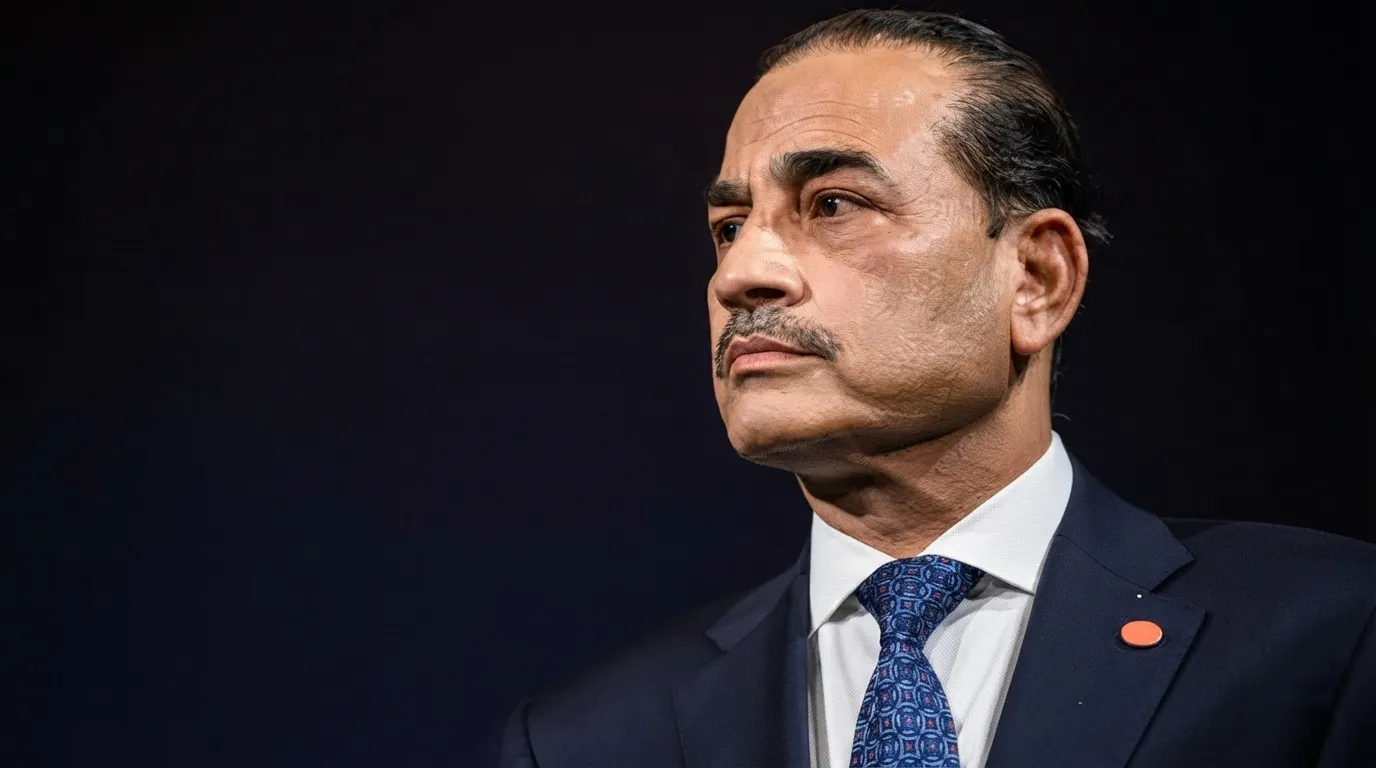
Disclaimer: This post is for informational purposes only and is based on publicly available reports. The image referenced in the original social media post is AI generated and is for reference only.