Punjab has reportedly approved a plan to introduce Artificial Intelligence (AI) education for primary school students up to Grade 5.
The proposed initiative aims to prepare young learners for a technology-driven future by introducing them to basic concepts of AI, digital literacy, and responsible technology use from an early stage.
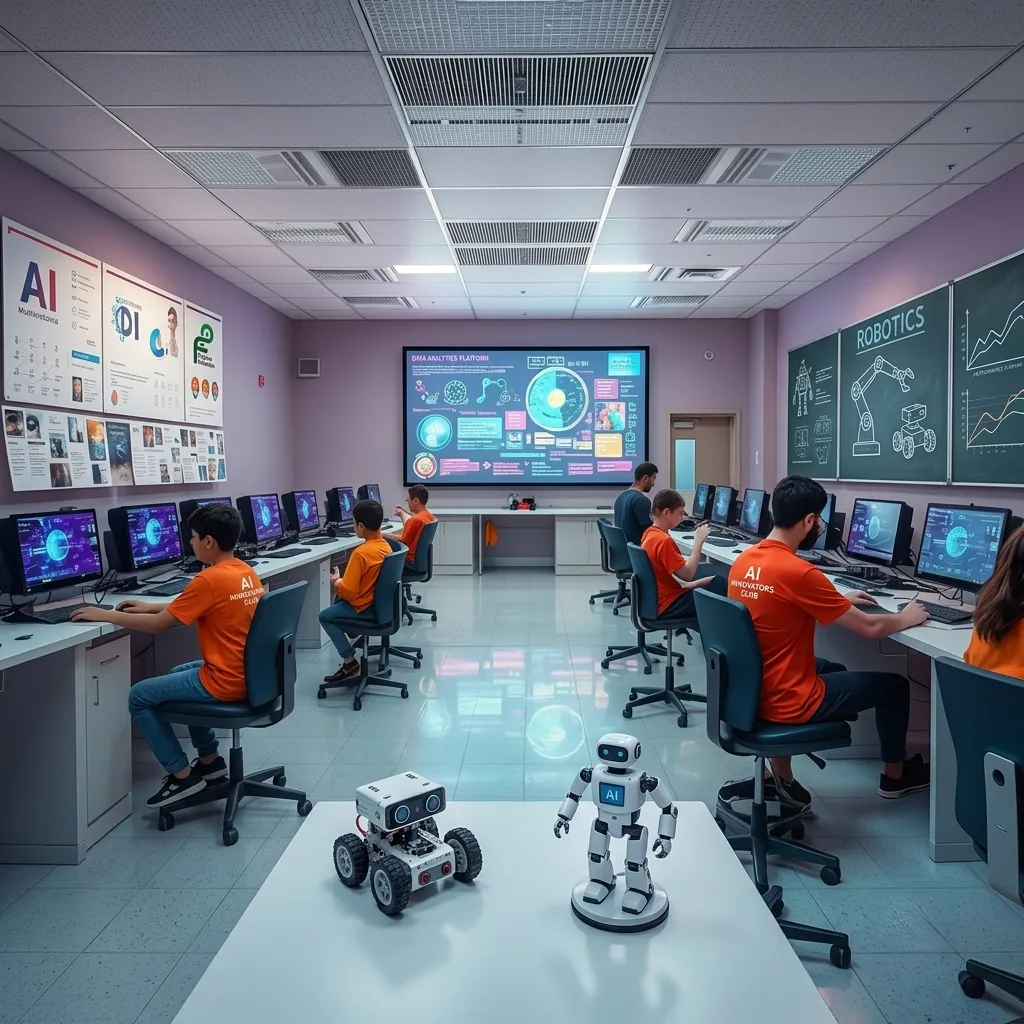
According to available reports, the programme may include the establishment of AI laboratories in primary schools and the phased introduction of AI as a separate subject.
What Does the Proposed Plan Include?
The reported education plan includes several important elements:
- Introduction of AI education for students up to Grade 5
- Establishment of AI laboratories in primary schools
- Development of a dedicated AI curriculum
- Recruitment of qualified educators for AI-related teaching
- Phased implementation across Punjab
- Integration of basic AI concepts into existing science books if funding is limited
- Province-wide implementation expected from the 2027 academic year
The curriculum is reportedly awaiting final approval before formal implementation begins.
Why Introduce AI at the Primary Level?
Artificial Intelligence is becoming part of everyday life through smartphones, online learning, search engines, digital assistants, banking systems, healthcare tools, and many other services.
Introducing basic AI concepts at the primary level may help students understand how technology works and how it can be used responsibly.
At this stage, AI education would likely focus on simple and age-appropriate topics, such as:
- What is Artificial Intelligence?
- How computers learn from information
- Everyday examples of AI
- Basic digital safety
- Responsible use of technology
- Problem-solving and logical thinking
- Introduction to coding concepts
- Understanding data in simple ways
The purpose would not be to teach advanced programming at an early age. Instead, it would help students build curiosity, confidence, and awareness about modern technology.
Role of AI Laboratories
The proposed AI laboratories could provide students with practical exposure to technology.
Depending on available resources, these labs may include computers, tablets, internet access, educational software, coding tools, and interactive learning activities.
Practical learning can help students understand technology more effectively than theory alone. It may also encourage creativity, teamwork, and problem-solving skills.
Teacher Training Will Be Important
For the programme to succeed, teachers will need proper training and support.
Qualified educators may be recruited, while existing teachers may also need professional development in areas such as:
- Basic AI concepts
- Digital teaching methods
- Child-friendly technology lessons
- Online safety
- Use of educational software
- Classroom management in digital learning environments
Without trained teachers, even a strong curriculum may be difficult to implement effectively.
What If Funding Is Limited?
Reports suggest that if funding is limited, Punjab may initially introduce basic AI concepts through existing science textbooks.
This could allow students to begin learning about AI without waiting for full laboratory infrastructure in every school.
A phased approach may help the government test the curriculum, train teachers, and gradually expand the programme based on available resources.
Possible Benefits for Students
If implemented properly, AI education may offer several benefits:
- Improved digital literacy
- Better problem-solving skills
- Greater interest in science and technology
- Early awareness of future career fields
- Understanding of responsible technology use
- Preparation for a changing job market
- More confidence in using digital tools
Challenges That Need Attention
The initiative may also face challenges, including:
- Availability of funding
- Unequal access to technology in rural and urban schools
- Teacher recruitment and training
- Reliable electricity and internet access
- Maintenance of AI laboratories
- Development of age-appropriate learning material
- Data privacy and online safety for children
Addressing these challenges will be important to ensure that students across Punjab benefit equally.
Conclusion
Punjab’s reported plan to introduce AI education in primary schools reflects the growing importance of technology in education and future careers.
If implemented with trained teachers, accessible resources, and a practical curriculum, the initiative could help students develop important skills for the digital future. The final success of the programme will depend on funding, teacher preparation, infrastructure, and clear implementation guidelines.
Disclaimer: This article is for informational purposes only and is based on available reports. The image is used for reference only. Details may change after official notifications, final curriculum approval, and implementation guidelines are released.