A major natural disaster has struck parts of the Himalayan region, with nearly 1,500 people reportedly missing after catastrophic flooding and a massive landslide affected areas of Nepal and Tibet.
The disaster followed a huge movement of rock, mud and ice into a Himalayan river, triggering destructive flooding and causing widespread damage to communities and infrastructure.
Hundreds Reported Missing in Nepal
Nepalese authorities have reported 826 people missing following the disaster. The missing include hundreds of foreign tourists who were in affected areas when the floods and landslides occurred.
The scale of the incident has created major challenges for rescue teams, particularly in mountainous areas where damaged roads and bridges can make ground access extremely difficult.
Authorities are continuing search and rescue operations while assessing the extent of the destruction.
Hundreds More Unaccounted for in Tibet
Across the border in Tibet, Chinese officials reported that 558 people remain unaccounted for in Gyirong county.
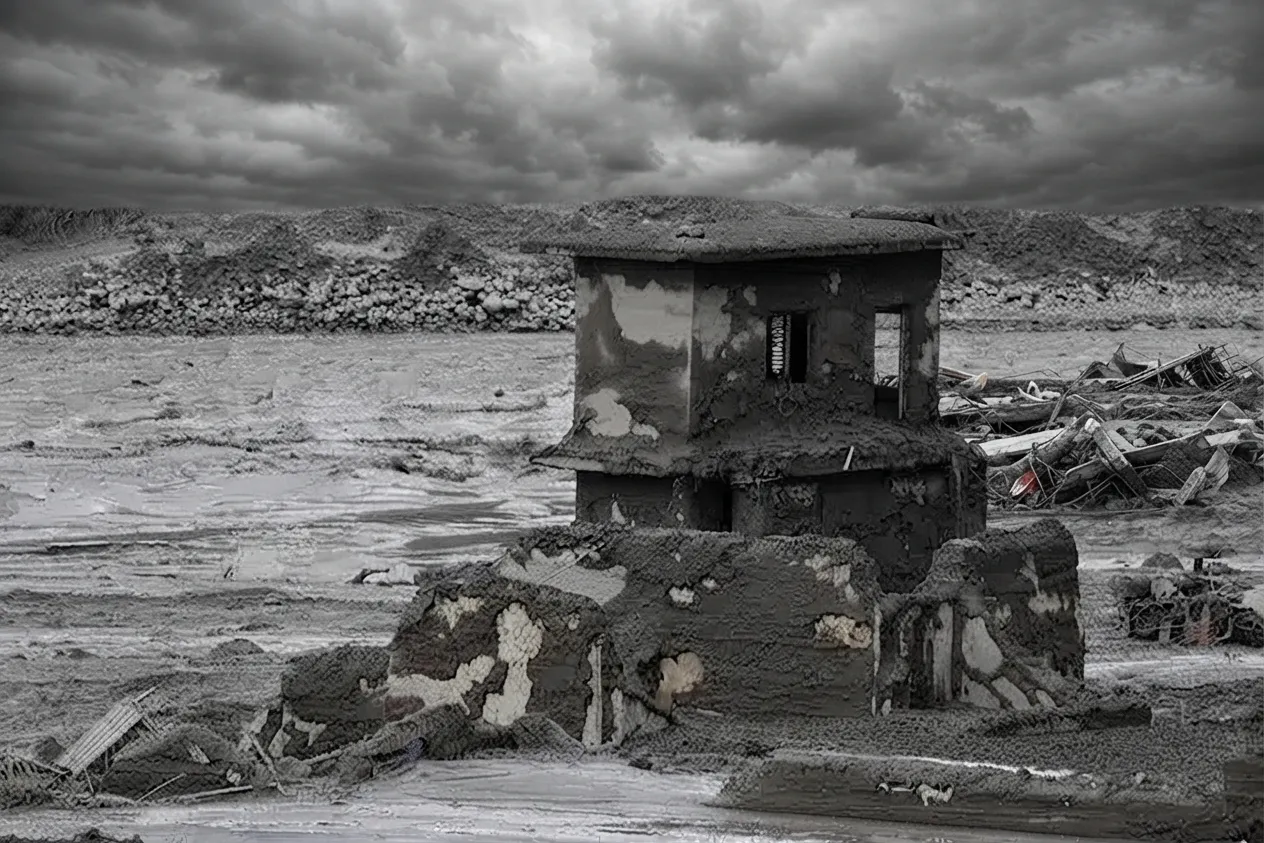
The region has also experienced severe damage, with roads, bridges, vehicles and other infrastructure affected by the disaster.
The number of missing people could change as authorities gain better access to affected areas and complete their assessments.
Helicopters Supporting Rescue Operations
With many areas difficult to reach by road, helicopters have become an important part of the emergency response.
Aircraft are being used to:
- Rescue people stranded by floodwaters and landslides
- Deliver food and drinking water
- Transport tents and emergency supplies
- Support access to isolated communities
- Assist emergency and security personnel
Thousands of security personnel have also been deployed to support rescue and relief operations.
Widespread Damage Across the Region
The disaster has reportedly destroyed or damaged homes, roads, bridges and vehicles.
The destruction of transport infrastructure is particularly significant because Himalayan communities often depend on limited road networks connecting remote settlements with larger towns and cities.
When roads and bridges are damaged simultaneously, the delivery of food, medical supplies and other essential resources can become extremely difficult.
Authorities Warn Casualties Could Rise
Officials have warned that the death toll could increase as rescue teams reach areas that remain inaccessible.
Search operations following major landslides can be particularly challenging because large quantities of rock, mud and debris can bury roads, buildings and vehicles.
Rescue teams must therefore balance the urgency of finding survivors with difficult terrain and continuing environmental risks.
A Reminder of Himalayan Disaster Risks
The incident highlights the vulnerability of Himalayan communities to sudden floods, landslides and other natural hazards.
Mountainous regions can face complex disaster risks because steep terrain, rapidly changing weather conditions and limited infrastructure can amplify the effects of extreme events.
Improved early-warning systems, stronger emergency infrastructure, disaster preparedness and rapid-response capabilities can play an important role in reducing future losses.
Rescue Efforts Continue
Rescue and relief operations remain underway across the affected areas of Nepal and Tibet.
Authorities are continuing to search for missing people, assist survivors and assess the full scale of the damage.
As operations progress, further information is expected regarding casualties, missing persons and the long-term impact on affected communities.
Disclaimer: This content is for informational purposes only and is based on publicly available reports. The image is AI generated and is just for reference only.