Astronomers may have made a groundbreaking discovery that could change our understanding of planetary systems: a possible exomoon, a moon located outside our solar system.
The mysterious object appears to orbit a brown dwarf, a type of celestial body that is larger than a planet but smaller than a star. Researchers are studying whether the object is truly a moon or represents an entirely new category of cosmic formation.
A Potential Milestone in Astronomy
The possible discovery was made using the European Southern Observatory’s Very Large Telescope, one of the world’s most advanced astronomical instruments.
If confirmed, this would mark the first verified detection of an exomoon and would represent a historic achievement in the search for worlds beyond Earth.
Scientists have long predicted that moons should exist around planets outside our solar system, but detecting them has proven extremely challenging due to their distance and small size compared with their host objects.
Challenging Traditional Definitions
The discovery has generated excitement because the object does not fit neatly into existing categories.
Its apparent orbit around a brown dwarf raises important questions about how celestial bodies form and evolve. Scientists are exploring whether it should be classified as a moon, a planet-like object, or something entirely different.
Such findings could expand current theories about the formation of planetary systems throughout the universe.
Understanding Exomoons
An exomoon is a natural satellite that orbits a planet or another celestial body outside our solar system.
Scientists believe studying exomoons could provide valuable information about:
- How planetary systems develop
- The conditions needed for moons to form
- The possibility of environments suitable for life
- The diversity of worlds across the universe
Our solar system contains many fascinating moons, including Jupiter’s Europa and Saturn’s Enceladus, which are considered important targets in the search for possible life-supporting environments.
More Research Needed
Although the discovery is considered promising, scientists emphasize that additional observations are required before confirming the object's exact nature.
Astronomers will continue monitoring the system and collecting data to determine whether the object truly meets the definition of an exomoon.
Scientific discoveries often require repeated observations and independent verification before becoming established knowledge.
A New Window Into the Universe
If confirmed, this discovery could open a new chapter in astronomy by proving that moons exist beyond our solar system and showing that planetary systems may be far more diverse than previously imagined.
As technology continues to improve, researchers expect more discoveries that reveal the complexity, scale, and mystery of the universe.
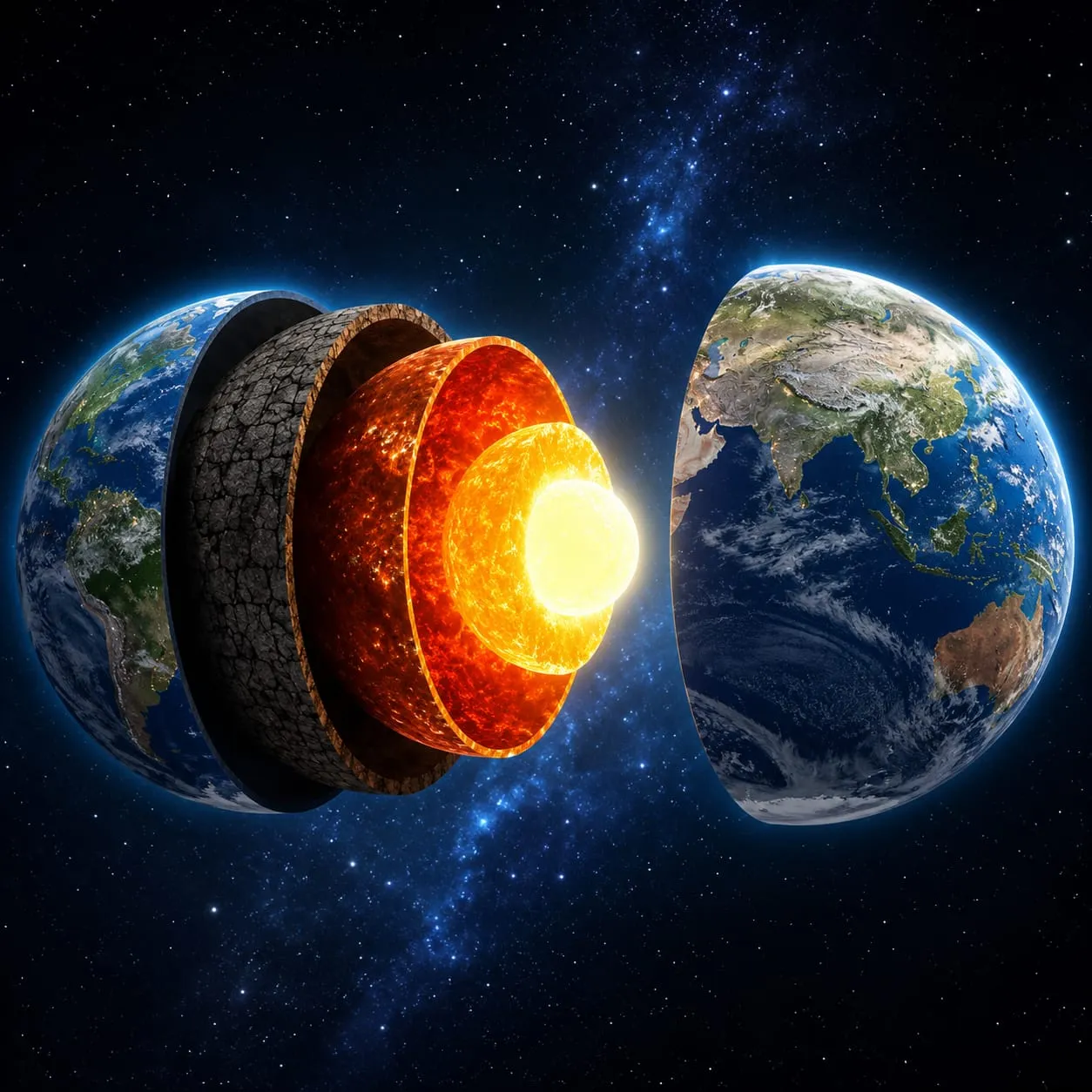
Disclaimer: This article is for informational purposes only and is based on publicly available reports. The image used is AI-generated and is for reference only.