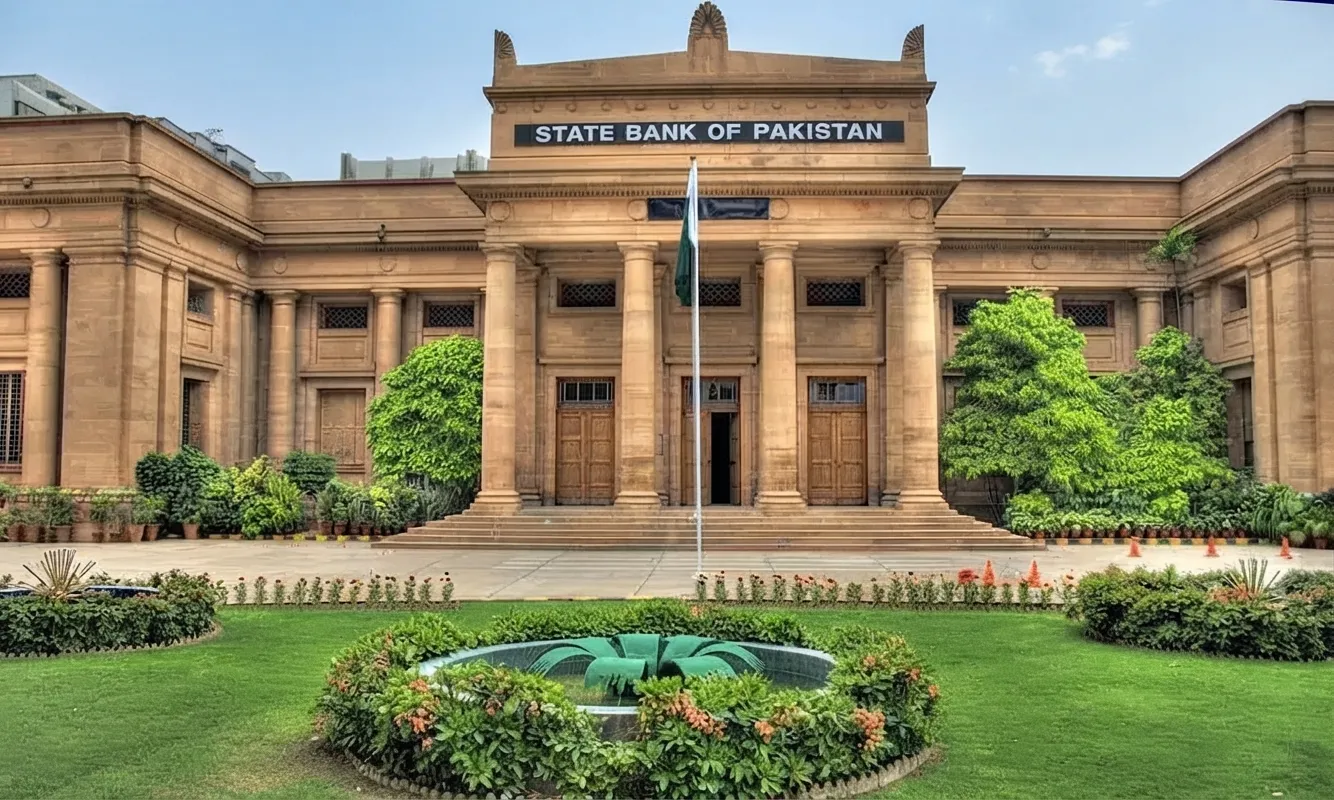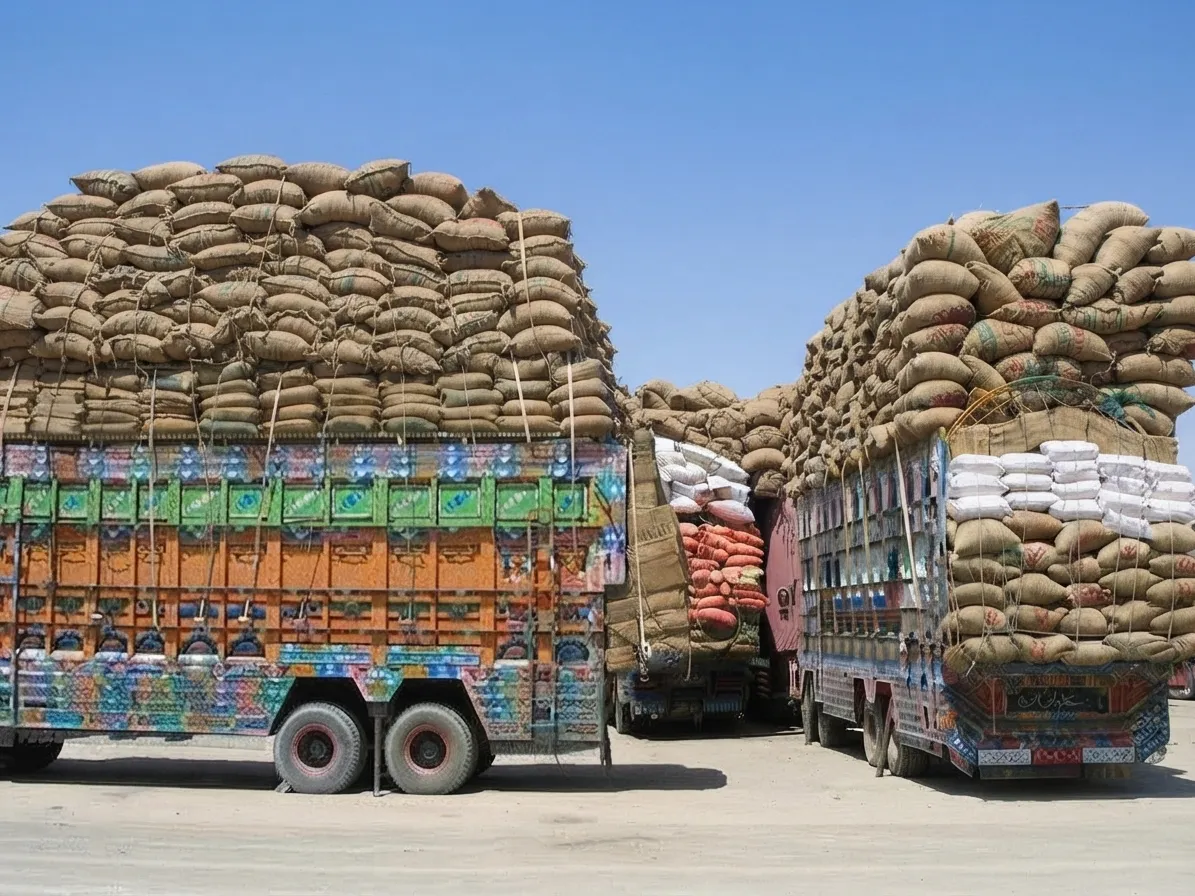

The Punjab Government has announced revised daily wage rates for laborers working on government development projects and construction activities, introducing updated payments for workers across different skill categories.
According to a notification issued by the Finance Department, the new wage rates will apply to public-sector development projects and government construction contracts for the next six months. The government has also confirmed a minimum monthly wage of Rs. 40,000, reflecting its latest wage policy.
The revised rates are intended to standardize labor costs used in project estimates while ensuring workers receive updated compensation in line with government guidelines.
New Daily Wage Rates
The Finance Department has categorized workers into three skill levels with the following daily wages:
Unskilled Workers
Workers performing general labor without specialized technical skills will receive:
- Rs. 1,538 per day
These workers typically assist in excavation, material handling, site preparation, and other manual construction activities.
Semi-Skilled Workers
Semi-skilled workers, including occupations such as:
- Gardeners
- Chainmen
- Similar support roles
will now receive:
- Rs. 1,560 per day
These positions generally require practical experience but not advanced technical certification.
Skilled Workers
Highly skilled professionals involved in technical construction work will receive:
- Rs. 2,000 per day
This category includes:
- Masons
- Electricians
- Plumbers
- Welders
- Other skilled construction professionals
These workers perform specialized tasks essential to public infrastructure and development projects.
Minimum Monthly Wage Set at Rs. 40,000
In addition to revising daily wage rates, the Punjab Government has fixed the minimum monthly wage at Rs. 40,000.
The minimum wage serves as a benchmark for employers and helps establish a baseline level of compensation for eligible workers across relevant sectors.
Where Will These Rates Apply?
The revised wage schedule will primarily be used for:
- Government development projects
- Public-sector construction works
- Infrastructure development
- Official cost estimates
- Government contracts and tenders
Using standardized wage rates helps ensure consistency in budgeting and project planning across departments.
Duration of the Revised Rates
According to the notification, the updated wage rates will remain effective for six months.
After this period, the government may review the rates again depending on:
- Economic conditions
- Inflation
- Labor market trends
- Construction costs
- Government policy decisions
Importance for the Construction Sector
Construction remains one of Pakistan's largest employment-generating sectors.
Updated wage rates can influence:
- Project budgets
- Contractor cost estimates
- Public infrastructure spending
- Labor compensation
- Employment planning
For contractors participating in government tenders, the revised rates provide a standardized basis for preparing financial proposals and project estimates.
Impact on Workers
The updated wage structure aims to provide greater clarity regarding compensation for different categories of labor employed on government-funded projects.
While wage revisions may improve earnings for many workers, discussions often continue around balancing wages with rising living costs, inflation, housing expenses, transportation, and household necessities.
The effectiveness of these revisions will likely depend on implementation across public-sector projects and compliance by contractors.
Conclusion
The Punjab Government's revised daily wage notification introduces updated compensation for unskilled, semi-skilled, and skilled workers involved in government development and construction projects. Alongside a minimum monthly wage of Rs. 40,000, the policy seeks to standardize labor costs for public-sector projects over the next six months.
The revised rates are expected to influence project budgeting, contractor estimates, and worker compensation across Punjab's government-funded development sector.
Disclaimer: This article is for informational purposes only and is based on publicly available reports. Wage policies and government notifications may be revised. Readers should refer to official government sources for the latest updates.