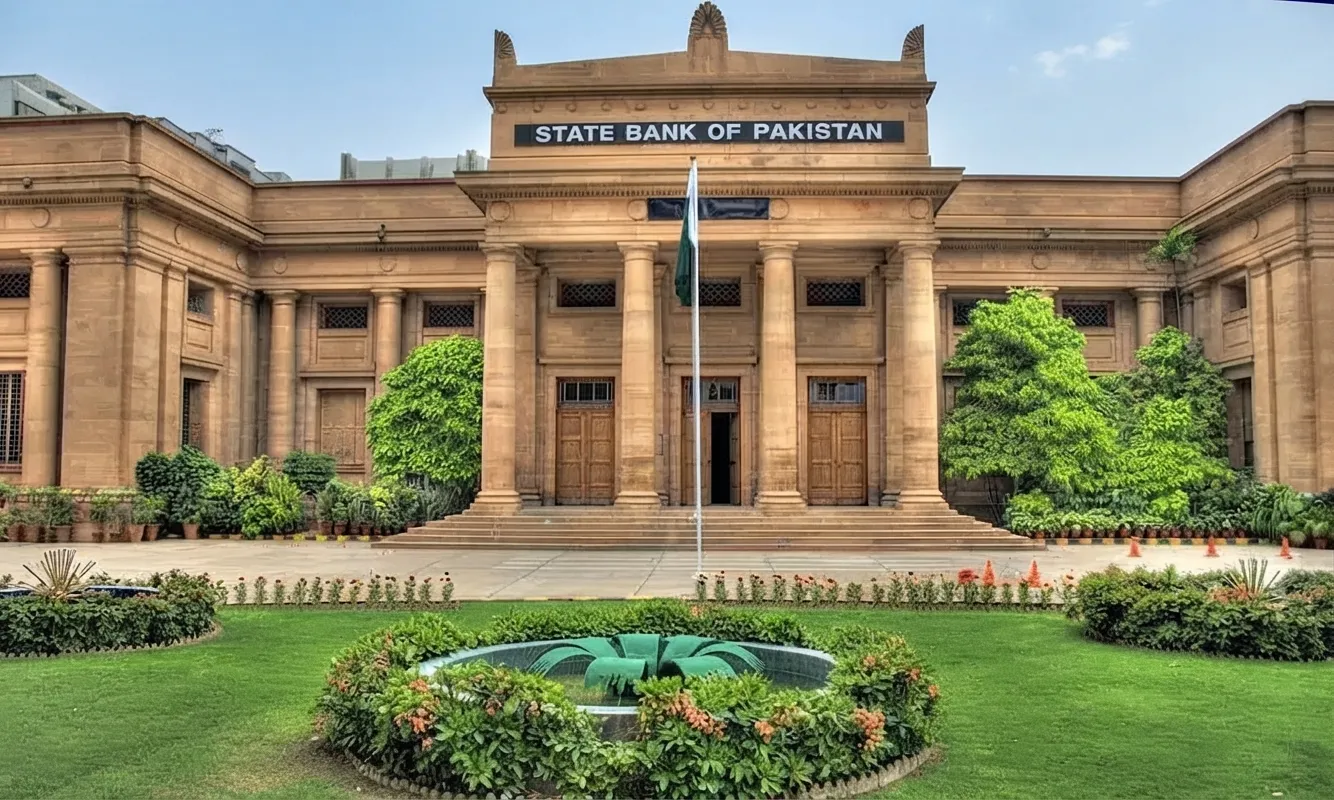

The Government of Pakistan collected more than Rs. 1,478 billion through the Petroleum Levy and Climate Support (Environment) Levy during the last fiscal year, making these charges one of the country's largest sources of non-tax revenue.
According to publicly available reports, the collections played an important role in supporting government finances while contributing to efforts aimed at controlling the federal budget deficit.
A Major Source of Government Revenue
Petroleum-related levies generate substantial revenue for the government each year. These funds help finance public expenditures and support broader fiscal management objectives.
The latest figures highlight the significant contribution of petroleum levies to Pakistan's overall revenue collection.
Impact on Fuel Prices
While the levies strengthen government finances, they also increase the retail price of petroleum products.
Higher fuel prices can influence several areas of the economy, including:
- Transportation costs
- Public transport fares
- Logistics and freight expenses
- Manufacturing and business operating costs
- Household spending
- Inflationary pressures
As fuel prices rise, businesses and consumers often experience higher overall living and operating costs.
Balancing Revenue and Consumer Relief
Petroleum taxation remains one of Pakistan's most closely watched economic issues.
Policymakers continue to balance multiple objectives, including:
- Maintaining government revenue
- Managing the fiscal deficit
- Ensuring energy availability
- Minimizing inflationary pressures
- Supporting economic stability
Future adjustments to petroleum levies will depend on fiscal priorities, global oil prices, and broader economic conditions.
Conclusion
The collection of over Rs. 1,478 billion through petroleum-related levies underscores their importance in Pakistan's fiscal framework. At the same time, the impact of these charges on fuel prices continues to shape discussions around inflation, transportation costs, and the overall cost of living.
Disclaimer: This article is for informational purposes only and is based on publicly available reports. Revenue figures, fuel prices, and government policies may change following future official announcements.