
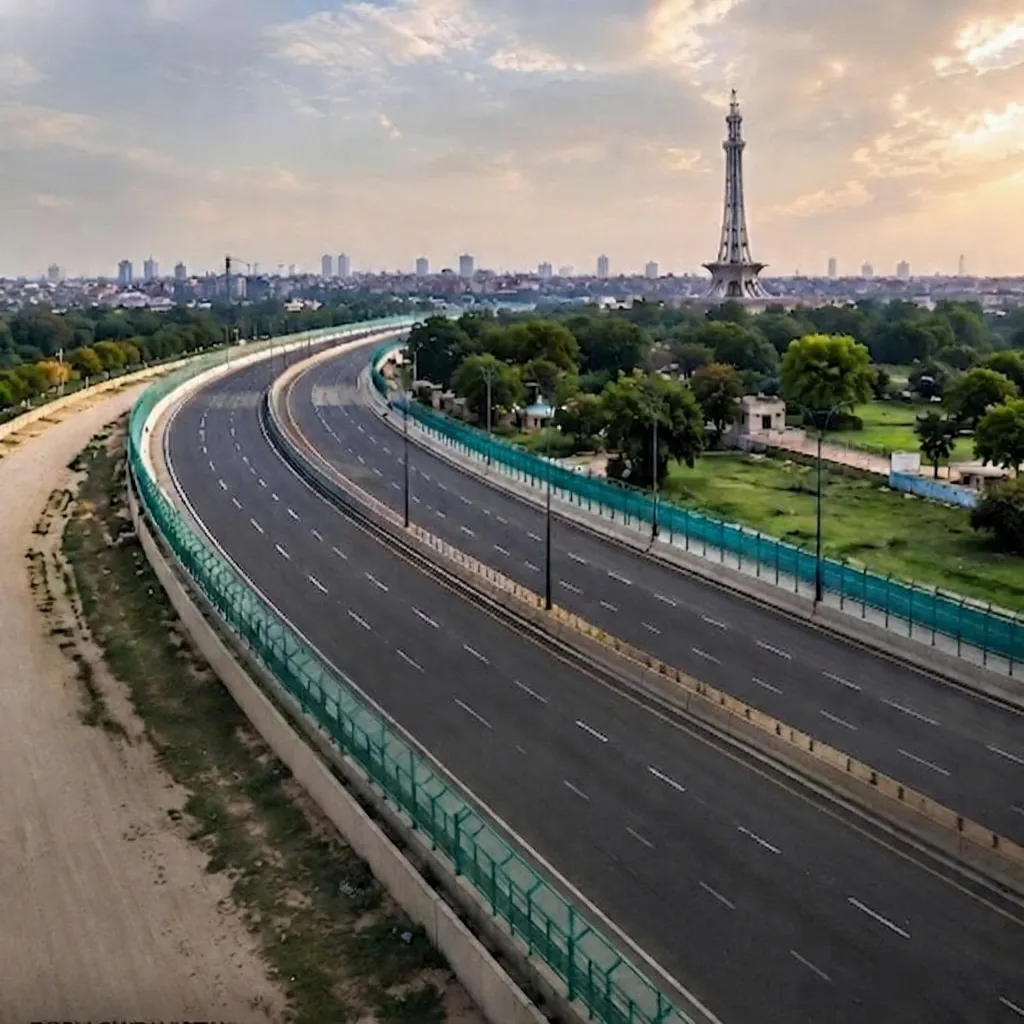
Lahore’s much-discussed Route 47 electricity-generating road project has reportedly not produced any electricity nearly a year after its launch, raising questions about implementation progress and project execution.
The initiative, developed by CBD Punjab, was introduced as an innovative urban infrastructure project designed to integrate renewable energy into city development.
The project was expected to demonstrate how solar technology could be incorporated into public infrastructure while supporting Pakistan’s transition toward cleaner energy solutions.
However, according to available reports, the project remains non-operational as solar panels have reportedly not been installed, preventing actual electricity generation.
Vision Behind Route 47 Project
The Route 47 project was presented as a modern approach toward sustainable urban development.
Its objectives included:
☀️ Using renewable energy technology
🏙️ Creating smart infrastructure solutions
🌱 Supporting green development initiatives
⚡ Exploring alternative energy generation methods
The concept aimed to showcase how urban spaces could contribute to energy production while improving environmental sustainability.
Current Status of the Project
Despite the ambitious vision, reports indicate that the project has not reached the operational stage.
So far, progress has reportedly focused on:
- Project planning
- Regulatory approvals
- Technical evaluations
- Feasibility assessments
However, the installation of solar panels, which is essential for electricity generation, has reportedly not been completed.
As a result, the road has not delivered the expected energy output.
Challenges in Renewable Energy Projects
The situation highlights a broader challenge faced by renewable energy initiatives worldwide — converting innovative ideas into fully functional projects.
Successful implementation requires:
1. Effective Planning
Clear timelines, technical designs, and realistic execution strategies are necessary for project success.
2. Timely Procurement and Installation
Delays in equipment procurement or installation can significantly impact project completion.
3. Transparent Monitoring
Regular progress updates help ensure accountability and maintain public confidence.
4. Long-Term Maintenance Planning
Renewable energy infrastructure requires proper operation and maintenance strategies to deliver sustainable benefits.
Importance of Renewable Energy for Pakistan
Pakistan continues to face energy challenges, including rising demand, electricity costs, and dependence on traditional energy sources.
Renewable energy projects can help by:
☀️ Reducing pressure on conventional power systems
⚡ Supporting energy diversification
🌱 Lowering environmental impact
🏭 Encouraging clean technology investment
Solar energy, in particular, has significant potential due to Pakistan’s high sunlight availability.
Need for Faster Green Infrastructure Development
Urban renewable energy projects can play an important role in creating sustainable cities.
However, their success depends on moving beyond announcements and ensuring practical implementation.
For projects like Route 47, achieving the original vision will require:
- Faster execution
- Strong coordination
- Transparent progress tracking
- Effective technical delivery
Future Outlook
The Route 47 project remains a notable example of the potential and challenges associated with renewable energy innovation in urban areas.
If successfully completed, such initiatives could provide valuable lessons for future smart city and clean energy projects across Pakistan.
The focus now remains on whether implementation can move forward and deliver the environmental and energy benefits originally promised.
Conclusion
Lahore’s electricity-generating road project was introduced as a symbol of renewable energy innovation, but reported delays have prevented it from becoming operational so far.
The project highlights an important lesson: sustainable infrastructure requires not only ambitious ideas but also efficient execution, transparency, and consistent progress.
As Pakistan continues exploring clean energy solutions, successful implementation will be key to turning renewable energy visions into reality.
Disclaimer: This article is for informational purposes only and is based on available reports. Project details and progress may change. The featured image is AI-generated and used for reference purposes.



Comments (0)
No comments yet. Be the first to share your thoughts!